For Onlinecourses55
|
2026-10-05
For Onlinecourses55
|
2026-10-05

Emotional well-being - nutrition holistic
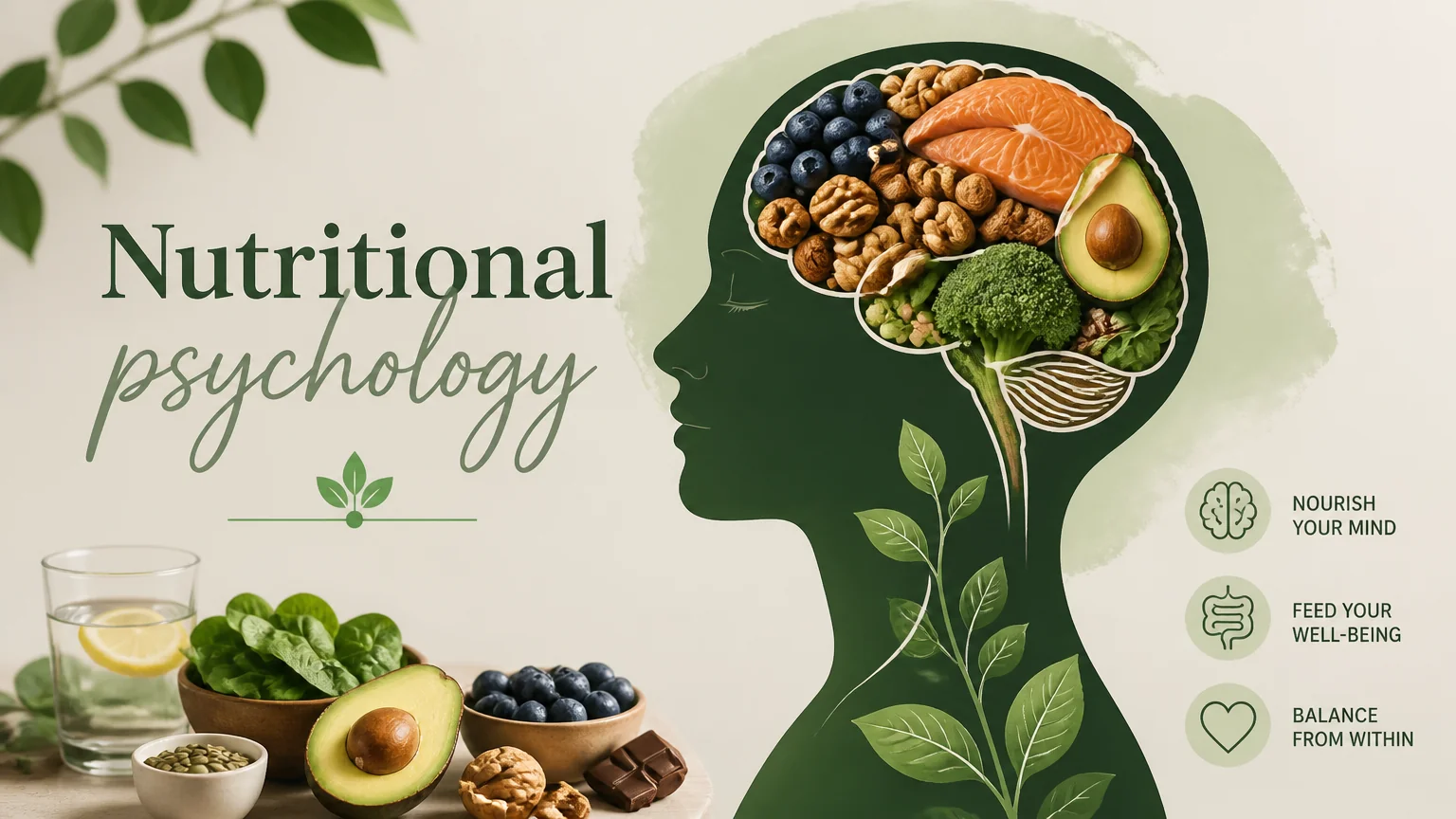
Have you ever pondered what true emotional well-being means in relation to nutrition? A holistic nutrition course can provide valuable insights into achieving balance and peace through dietary choices. This course may help you cultivate emotional wellness effectively.Explore holistic nutrition and enhance your emotional well-being.
Have you ever wondered what it truly means to be "well"? I'm not referring to simply not being sick, but rather feeling fulfilled, satisfied, and at peace with yourself. That is what emotional well-being is all about: cultivating a healthy mind and a calm spirit. And guess what, we can all achieve it! In this article, I will give you the tools and knowledge you need to start your journey towards a happier and more balanced life.
Emotional well-being is the capacity to manage your emotions in a healthy way, cope with stress, adapt to change, and bounce back from adversity. It is feeling comfortable with yourself and with the world around you. It's not about being happy all the time (that's impossible!), but about having the tools to navigate life's waves with greater resilience and optimism.
Think about it: good emotional health positively impacts every aspect of your life. It improves your relationships, your work performance, your physical health, and even your ability to enjoy the small things. When you feel good about yourself, you are more productive, more creative, and more capable of facing the challenges that come your way. Doesn't that sound great?
To build solid emotional well-being, it is important to strengthen certain fundamental pillars. These are like the foundations of a house: if they are strong, the house remains firm.
The first step is knowing who you really are. What are your strengths and weaknesses? What motivates you? What are your values? Take some time to reflect on these questions. Keep a journal, talk to friends or family, or even consider seeking the help of a therapist. The more you know yourself, the easier it will be to make decisions that are aligned with your needs and desires.
Once you know yourself, the next step is learning to manage your emotions. This doesn't mean repressing them, but recognizing, understanding, and expressing them in a healthy way. Are you feeling frustrated? Take a deep breath, go for a walk, and try to identify the cause of your frustration. Are you feeling sad? Allow yourself to feel the sadness, but don't get stuck in it. Seek support from friends or family, do something you enjoy, or practice a relaxation technique.
Emotional well-being also involves being aware of others' emotions and responding to them with empathy and compassion. Try to put yourself in the other person's shoes, listen carefully to what they have to say, and show genuine interest in their feelings. Human connection is fundamental to emotional well-being.
Healthy relationships are essential for a full and happy life. Cultivate positive relationships with friends, family, coworkers, and your partner. Be honest, communicative, and respectful. Set healthy boundaries and learn to resolve conflicts constructively. Remember: nobody can do everything alone!
Now that you know the fundamental pillars, let's look at some practical strategies you can start implementing today to improve your emotional well-being.
Gratitude is one of the most powerful tools for cultivating happiness. Take a few minutes each day to reflect on the things you are grateful for. They can be big or small things, such as your health, your family, your friends, a beautiful sunrise, or a delicious cup of coffee. Writing in a gratitude journal is an excellent way to start.
Stress is one of the biggest enemies of emotional well-being. Fortunately, there are many relaxation and mindfulness techniques that can help you reduce stress and connect with the present moment. Try meditation, yoga, deep breathing, guided visualization, or simply spending time in nature. Find the technique that best suits you and practice it regularly.
As mentioned before, healthy relationships are crucial for emotional well-being. Dedicate time to spend with people who make you feel good, who support you, and inspire you. Participate in social activities, join a club or group that interests you, or simply call a friend for a chat.
In the digital age, it is easy to feel overwhelmed by constant information and connectivity. Take some time to disconnect from technology and reconnect with yourself and the world around you. Turn off your phone, go for a walk, read a book, or simply sit in silence and observe your surroundings.
Self-care is fundamental for emotional well-being. Make sure you get enough sleep, eat a healthy diet, and exercise regularly. Restorative sleep helps you recharge and cope with stress. A balanced diet provides you with the nutrients you need to function properly. And physical exercise releases endorphins, which have a positive effect on your mood.
The work environment can be a significant source of stress and anxiety. It is essential to learn to manage stress at work to protect your emotional well-being.
Do you feel constantly exhausted, irritable, or unmotivated at work? Do you have difficulty concentrating or sleeping? These can be symptoms of work stress. Work stress can have a negative impact on your physical and mental health, as well as on your relationships and job performance.
Learn to set healthy boundaries, delegate tasks, and say "no" when necessary. Take regular breaks throughout the day to relax and recharge. Talk to your boss or coworkers if you feel overwhelmed. And if work stress is too great, consider seeking professional help.
There are many resources available to help you deepen your emotional well-being.
If you feel you need professional help, do not hesitate to seek it out. A therapist or psychologist can provide the support and guidance you need to improve your emotional well-being.
Emotional well-being is not a destination, but a journey. It is a continuous process of self-knowledge, self-management, and self-care. Invest in your happiness and dedicate time and energy to cultivating a healthy mind and a calm spirit. Remember: you deserve to live a full and happy life!