ForOnlinecourses55
Traditional chinese medicine - nutrition holistic
Have you ever wondered how ancient cultures maintained their health and vitality? Well, get ready for a fascinating journey! Today we dive into the world of Traditional Chinese Medicine (TCM), an ancient health system that remains relevant and powerful today. It's not just a collection of techniques—it’s a philosophy of life!
Traditional Chinese Medicine (TCM) is a holistic medical system developed in China over thousands of years. Unlike Western medicine, which often focuses on treating specific symptoms, TCM seeks to identify and address the root of the problem, considering the individual as an interconnected whole. It's like trying to fix a garden: you don't just cut the weeds; you ensure the soil is healthy and the plants have the nutrients they need.
TCM is based on several key principles that guide its diagnostic and therapeutic approach.
Yin and Yang represent opposite and complementary forces that exist in the universe and within our bodies. Think of day and night, heat and cold, activity and rest. Health is maintained when these forces are in balance. An imbalance can manifest as illness.
The theory of the Five Elements (Wood, Fire, Earth, Metal, and Water) describes the interrelationships between the different organs and systems of the body. Each element is associated with certain emotions, seasons, colors, and flavors. It is like a symphony orchestra, where each instrument (element) must play in harmony to create a perfect melody (health).
Qi (pronounced "chee") is the vital energy that flows through our body along channels called meridians. It is the force that drives us, gives us vitality, and connects us with the universe. A blocked or deficient flow of Qi can cause illness. Imagine a waterfall: if the water flows freely, everything is fine; but if there is a rock blocking the flow, pressure builds up and can cause problems.
TCM offers a variety of techniques and treatments to restore balance and promote health.
Acupuncture is one of the best-known techniques of TCM. It involves inserting very thin needles into specific points on the body along the meridians to stimulate the flow of Qi and relieve pain. It's like unblocking a clog in a pipe so the water can flow freely again.
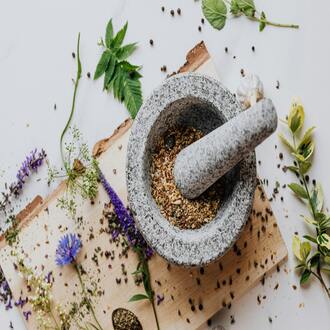
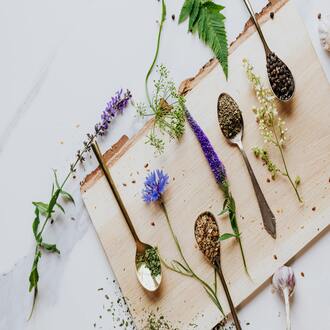
Chinese herbal medicine uses a wide variety of herbs and medicinal plants to treat various conditions. These herbs are combined in personalized formulas to address the individual needs of each patient. It's like a chef using different ingredients to create a delicious and nutritious dish tailored to each person's tastes.
Moxibustion involves burning an herb called moxa near the skin to warm the meridians and promote the flow of Qi. It is often used to treat pain, fatigue, and other conditions. It's like lighting a gentle fire to warm the body and relax the muscles.
Tui Na is a form of therapeutic massage that uses various manipulation techniques to stimulate the meridians, relieve muscle tension, and improve circulation. It’s like a deep stretching session that releases built-up tension in the body.
Cupping involves placing glass or plastic cups on the skin to create suction. This helps improve circulation, relieve muscle pain, and eliminate toxins. It's like a reverse massage that lifts the tissues and releases tension.
TCM offers a wide range of health benefits, both physical and mental.
Acupuncture and other TCM techniques have proven effective in relieving chronic pain, such as back pain, arthritis, and migraines.
TCM can help reduce stress, anxiety, and depression, promoting emotional balance and a sense of well-being.
TCM can strengthen the immune system, helping to prevent diseases and improve the body's ability to heal itself.
TCM is gaining increasing recognition in the modern world as an effective complementary health system.
TCM and Western medicine are not mutually exclusive. In fact, they can work together to provide a more comprehensive and personalized approach to healthcare. It's like having two different tools in your toolbox: each is useful for different tasks, and together they can achieve even better results.
If you are interested in trying TCM, it is important to find a qualified and licensed professional. Look for an acupuncturist, Chinese herbalist, or Tui Na therapist who is experienced and certified.
Traditional Chinese Medicine is much more than a collection of techniques; it is an ancient legacy of wisdom and knowledge about health and well-being. By understanding its fundamental principles and exploring its various therapies, you can unlock your healing potential and live a fuller, more balanced life. So, why not encourage yourself to explore this fascinating world and discover the benefits that TCM can offer you? Your body and mind will thank you!