For Onlinecourses55
|
2026-09-28
For Onlinecourses55
|
2026-09-28
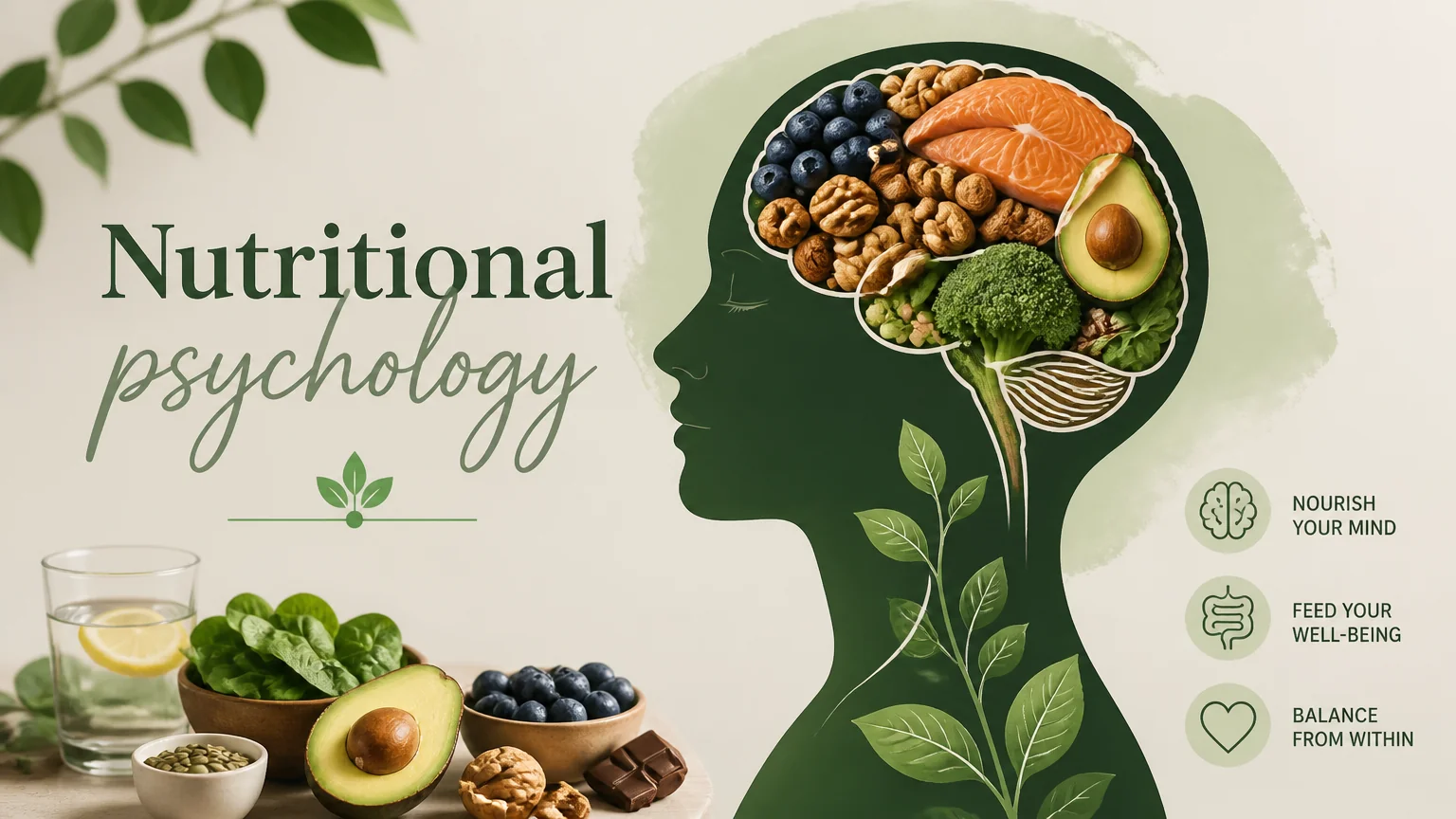
Nutritional psychology - nutrition holistic
Ever thought about how feelings influence your eating habits? Join a course focusing on nutritional psychology to better understand yourself and your choices.
Have you ever wondered why you eat what you eat? It's not just about hunger, is it? Often, our food choices are deeply intertwined with our emotions, thoughts, and experiences. This is where nutritional psychology comes into play, a fascinating discipline that explores the complex relationship between our mind and our diet. Join me on this journey to discover how we can improve our health and well-being through understanding ourselves!
Let's define this area of study!
Nutritional psychology is an interdisciplinary field that combines principles of psychology and nutrition. It focuses on understanding how our thoughts, feelings, and behaviors influence our food choices and our relationship with food. It is not just about what we eat, but why we eat it. It is about exploring the mental background of every bite.
Nutrition focuses primarily on the biochemical and physiological aspects of eating: nutrients, calories, and the impact of food on the body. Nutritional psychology, on the other hand, delves into the why behind our food choices. Do we eat out of boredom? Stress? Habit? Nutritional psychology seeks answers to these questions and offers tools to sustainably improve our eating habits.
Why should we pay attention to this area? There are many reasons!
For many people, food is more than just a source of fuel. It can be a source of comfort, joy, or even anxiety. Nutritional psychology helps us develop a healthier and more balanced relationship with food, freeing us from dysfunctional eating patterns.
Nutritional psychology is fundamental in the treatment of eating disorders such as anorexia, bulimia, and binge eating disorder. It helps identify and address the underlying causes of these disorders, providing strategies to regain healthy eating and a positive body image.
It's not about dieting for a while—it's about a life change! Nutritional psychology does not focus on quick fixes or restrictive diets. Its goal is to help people develop healthy and sustainable eating habits long-term, promoting physical and mental well-being.
Our mind is powerful!
Have you ever felt drawn to unhealthy foods when stressed? Stress can significantly affect our eating patterns, leading us to overeat or choose foods high in calories and low in nutrients. Nutritional psychology teaches us how to manage stress in a healthier way, preventing food from becoming our only escape route.
Food is often linked to our emotions. Do you celebrate with food? Do you comfort yourself with ice cream when you are sad? Emotional eating can become a problem if we turn to food to cope with our emotions instead of addressing them healthily. Nutritional psychology helps us identify and manage our emotions, separating food from our feelings.
Our beliefs and attitudes towards food also influence our food choices. If you believe certain foods are "bad" or that you must drastically restrict your caloric intake, you are likely to develop an unhealthy relationship with food. Nutritional psychology helps us challenge these limiting beliefs and adopt a more balanced and compassionate perspective towards eating.
Here come the tools!
Mindful eating involves paying full attention to the experience of eating: savoring every bite, noticing hunger and fullness cues, and eating without distractions. This technique helps us reconnect with our body and make more conscious food decisions.
Do you have negative thoughts about your body or food? Cognitive restructuring is a technique that helps us identify and challenge these thoughts: replacing them with more positive and realistic thoughts. This can significantly improve our relationship with food and our body image.
Have you set unrealistic goals in the past? Nutritional psychology teaches us how to set SMART goals: Specific, Measurable, Achievable, Relevant, and Time-bound. This helps us stay motivated and celebrate our successes, even the smallest ones.
Not all professionals are the same!
It is important to look for a nutritional psychologist with training and experience in the area. Look for professionals with a degree in psychology and additional training in nutrition or eating disorders.
Before starting treatment, it is important to discuss your expectations and goals with the nutritional psychologist. What do you hope to achieve? What are your priorities? Clear and open communication is fundamental to the success of the treatment.
The investment is worth it!
Nutritional psychology can help you lead a healthier and more balanced life, both physically and mentally. By improving your relationship with food and learning to manage your emotions healthily, you can enjoy greater vitality and well-being.
Through nutritional psychology, you can develop a greater awareness of your body's needs. You will learn to listen to hunger and fullness cues, identify which foods make you feel good, and make more informed food decisions.
The path to mindful eating is a personal and transformative journey! Nutritional psychology offers us the tools and support we need to overcome our food challenges and develop a healthier and more balanced relationship with food. It is not about perfection, but about progress. It is about learning to love ourselves and nourish our body and mind.
Remember that nutritional psychology is not a quick fix, but a continuous process of learning and personal growth. Be patient with yourself, celebrate your achievements, and seek the support you need! Your health and well-being are worth it.