For Onlinecourses55
|
2026-11-09
Kinesiology - nutrition holistic
Are you curious about the intrinsic connections between food and well-being? Learn more about holistic methods through a course focusing on natural nutrient intake for a deeper understanding.
Have you ever wondered if your body possesses an internal wisdom that can guide you toward health and well-being? Well, it does! And it's called Kinesiology. No, it's not a tongue twister or a word pulled from a science fiction movie. It is a fascinating discipline that helps you understand and improve your health in a holistic way.
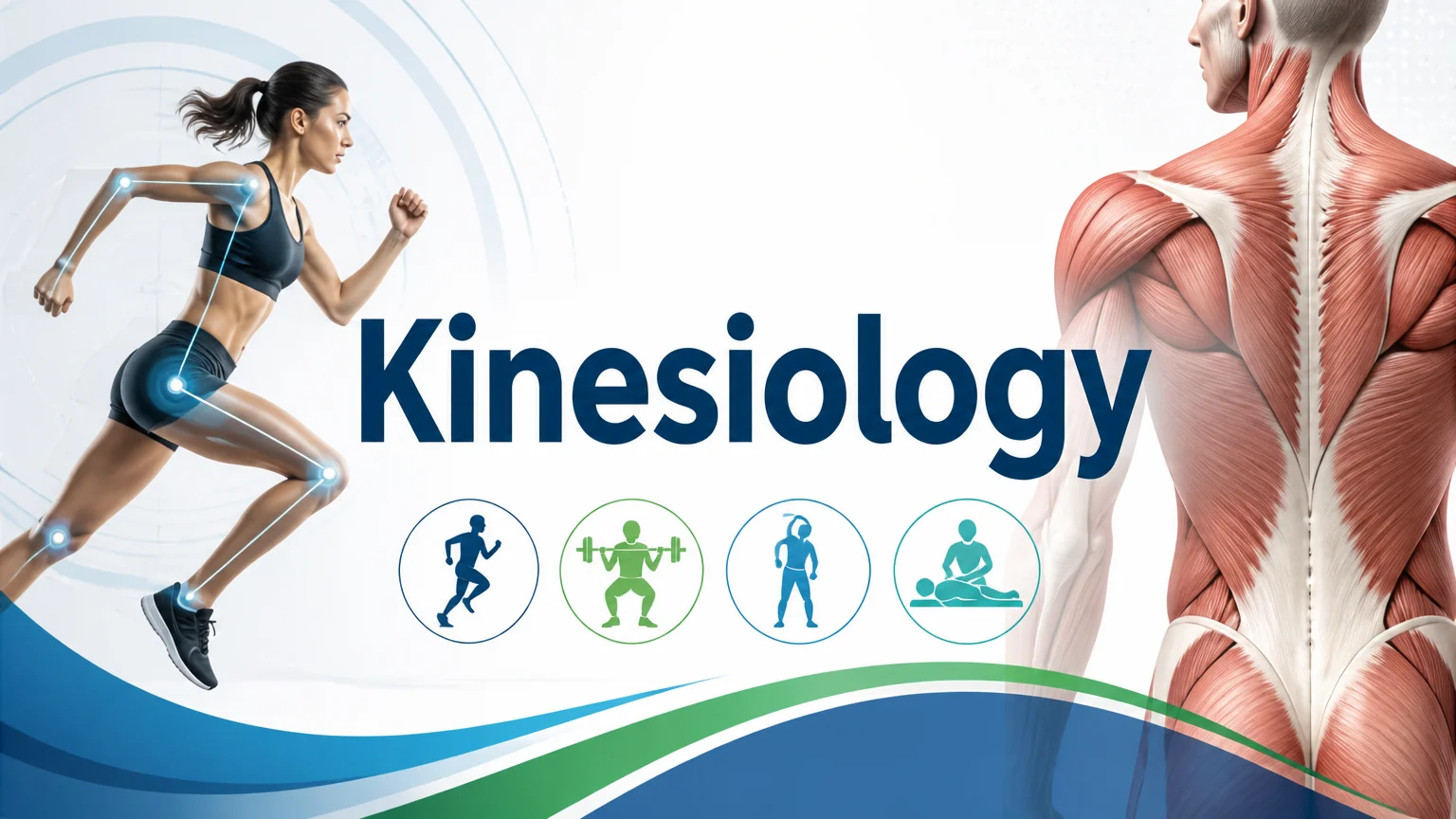
Kinesiology: in its essence, is a system that uses muscle testing as a tool to evaluate the body’s function at a structural, chemical, emotional, and energetic level. It’s as if your body had its own language, and muscle testing is the translator that allows us to understand it. It’s not just about strong or weak muscles—it goes much further! It seeks imbalances and blockages that prevent your body from functioning optimally. Think of it as a detective looking for clues to solve a mystery—the mystery of your well-being!
Kinesiology: has its roots in chiropractic, dating back to the 1960s. Dr. George Goodheart, a visionary chiropractor, discovered the relationship between muscles and organs, as well as the influence of nutrition and emotions on muscle strength. From there, kinesiology has evolved and branched into different approaches, each with its own set of techniques and philosophies. It is a constantly evolving field, nourished by ancestral wisdom and scientific advancements.
Here comes the most interesting part: muscle testing! Don't worry, it doesn't involve lifting weights or doing push-ups. It is a gentle, non-invasive process where the kinesiologist applies slight pressure to a specific muscle while asking you to resist. The muscle's response (whether it holds strong or yields) indicates if there is an imbalance or blockage in the area related to that muscle.
How can a muscle tell us so much? The key lies in the connection: between the muscle, the nervous system, and the brain. Muscle testing acts as a switch that allows us to access information stored in the body's subconscious. It’s like asking the body directly what it needs to heal, and it answers us through the muscle!
Not at all! Muscle testing is not painful: It is a gentle, constant pressure that should not cause you any discomfort. The goal is not to evaluate the brute strength of the muscle, but its capacity to respond to a stimulus. If you feel pain, tell the kinesiologist! They might be applying too much pressure, or the problem might be elsewhere.
Kinesiology can help you: improve your health and well-being on many different levels. From alleviating physical pain to managing stress and enhancing athletic performance, the possibilities are endless!
Do you have back, neck, head, or joint pain? Kinesiology can help you: identify the underlying cause of the pain and correct the imbalances that are causing it. Through muscle release techniques, gentle chiropractic adjustments, and postural corrections, the kinesiologist can help you alleviate pain and regain mobility.
Emotions have a profound impact: on our physical health. Stress, anxiety, sadness, and anger can manifest as headaches, digestive problems, fatigue, and other physical symptoms. Kinesiology can help you: identify and release blocked emotions that are affecting your well-being. Through techniques like emotional release and visualization, you can learn to manage your emotions in a healthier way and live a more fulfilling life.
Are you an athlete looking to improve your performance? Kinesiology can help you: optimize your strength, flexibility, coordination, and endurance. By identifying and correcting muscular imbalances and joint restrictions, the kinesiologist can help you prevent injuries and reach your maximum athletic potential.
The beauty of kinesiology: is that it is a completely personalized approach. Regardless of your age, gender, or physical condition, kinesiology can be adapted to your individual needs.
Kinesiology can be especially beneficial: for children, helping them overcome learning difficulties, coordination issues, emotional problems, and other challenges.
For older adults: kinesiology can help maintain mobility, alleviate pain, improve balance, and promote independence.
It is crucial to find a qualified: and certified kinesiologist. Look for a professional with solid training and experience in the field. Ask for references, read online reviews, and make sure you feel comfortable and confident with the kinesiologist you choose.
Kinesiology is a powerful tool: that allows you to connect with your body's internal wisdom and unlock your healing potential. If you are looking for a holistic and personalized way to improve your health and well-being, kinesiology might be the answer! Give it a try and discover what your body has to say.
Is kinesiology a proven science?
Although kinesiology uses scientific principles related to anatomy, physiology, and biomechanics, some aspects of kinesiology, such as muscle testing, are considered by some to be pseudoscience. However, many patients report significant benefits. It is important to research and speak with a qualified professional to make an informed decision.
How many kinesiology sessions do I need?
The number of necessary sessions varies: depending on the person and the complexity of the issue. Some people may experience significant improvements after one or two sessions, while others may require longer treatment.
Does kinesiology replace traditional medicine?
No, kinesiology should not replace: traditional medicine. It is a complementary therapy that can be used alongside conventional medical treatments. Always consult with your doctor for any health concerns.
What should I expect from a kinesiology session?
During a kinesiology session: the kinesiologist will ask you questions about your health history, your symptoms, and your goals. They will then perform a series of muscle tests to evaluate your body's function. Based on the results, the kinesiologist will recommend an individualized treatment plan.
Is kinesiology safe for pregnant women?
Kinesiology can be safe: for pregnant women, but it is important to inform the kinesiologist about your pregnancy so they can adapt the treatment to your needs. Some kinesiologists specialize in working with pregnant women.
GetTexts(*videoCarousel*,*p*)
Search
Popular searches