For Onlinecourses55
|
2026-01-08
For Onlinecourses55
|
2026-01-08

Environmental impact of meat - nutrition vegetarian
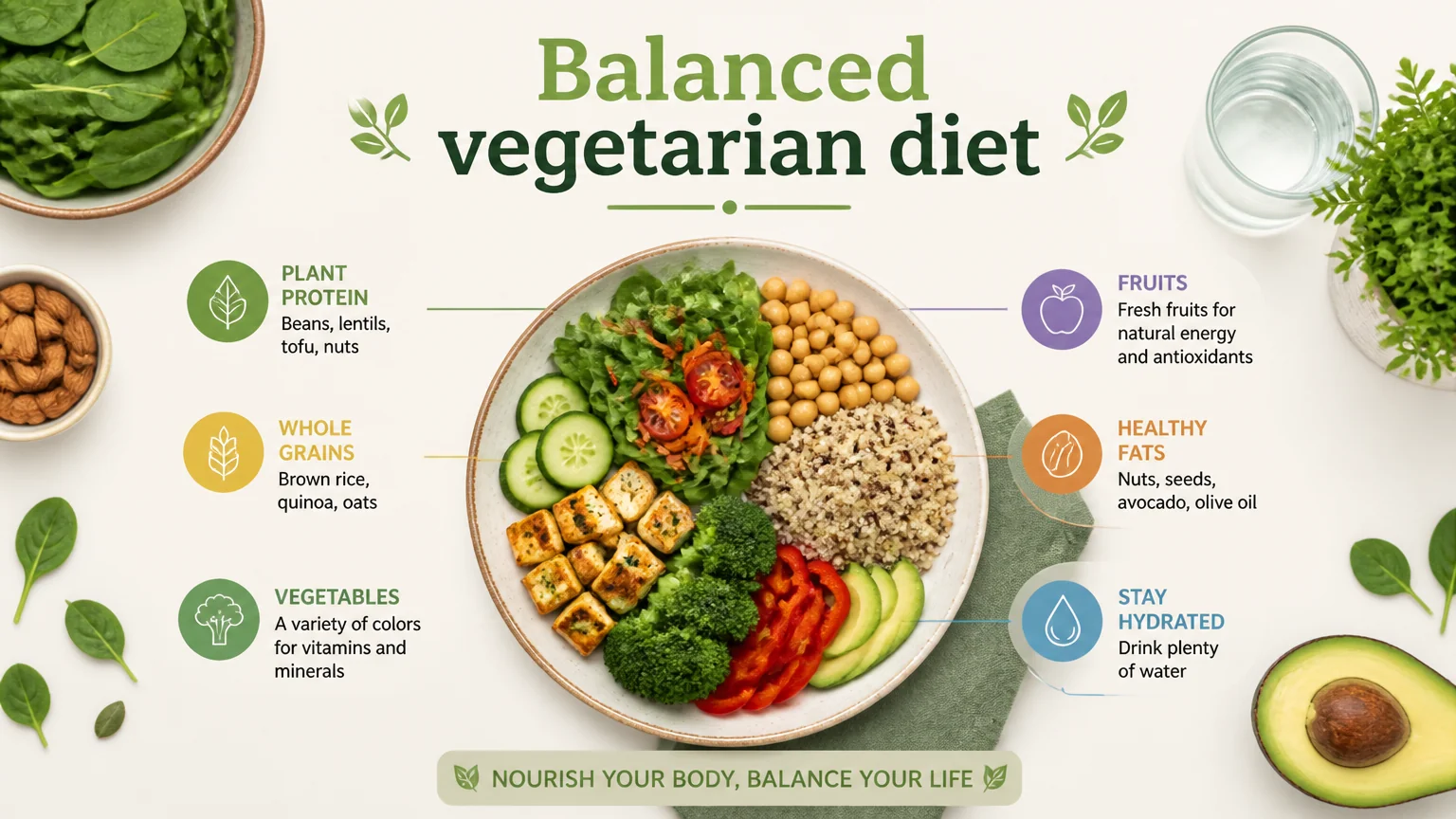
As the demand for healthier dietary choices rises, it's vital to understand the context behind vegetarianism. This sets the stage for you to explore a course on effective vegetarian nutrition that aids in sustainability.
Meat, how delicious! A Sunday roast, a juicy burger after work, or a good grilled steak. Meat is a fundamental part of the diet of many people around the world. But have you ever wondered where all that meat comes from and what the real cost is to our planet? The environmental impact of meat production is a crucial issue that we need to address seriously. It's not just a debate about vegetarianism vs. carnivores; it's about the sustainability of our future.
Meat consumption varies enormously from one region to another. In some countries, meat is a luxury, while in others it is a staple in almost every meal. The increase in the global population, combined with economic growth in developing countries, has led to a significant increase in the demand for meat. This means more land dedicated to livestock farming, more emissions, and a greater overall impact on the environment.
Large-scale meat production is not sustainable in the long term. It is contributing to climate change, deforestation, loss of biodiversity, water and soil contamination, and the depletion of natural resources. If we don't take action now, the consequences for future generations could be devastating. Do we want a planet where meat is abundant at the expense of clean air, drinking water, and healthy ecosystems? The answer is a resounding no.
The "ecological footprint" is a term that describes the impact we have on the planet in terms of the resources we consume and the waste we generate. Meat production has an enormous ecological footprint, far surpassing that of vegetable crops. Let's analyze some of the most critical aspects.
One of the biggest causes of deforestation worldwide is the expansion of land for livestock farming and for growing feed crops. Tropical forests like the Amazon are being destroyed at an alarming rate to create pastures and cultivate soy to feed livestock. Deforestation not only destroys natural habitats and reduces biodiversity but also releases large amounts of carbon dioxide into the atmosphere, exacerbating climate change. It's like removing the Earth's lungs!
Meat production is a significant source of greenhouse gases, including carbon dioxide (CO2), nitrous oxide (N2O), and especially methane (CH4). Methane is produced by livestock during digestion (yes, through burps and flatulence). Although methane does not remain in the atmosphere as long as CO2, it has a much higher short-term global warming potential.
Methane is approximately 25 times more potent than CO2 in terms of its ability to trap heat in the atmosphere over a 100-year period. But over a shorter time horizon (say, 20 years), methane can be up to 80 times more potent. This means that reducing methane emissions is crucial for mitigating climate change quickly and effectively. Livestock farming, therefore, plays a much more important role than many believe.
Meat production requires enormous amounts of water. Water is needed to feed the livestock, clean the facilities, and process the meat. To produce one kilogram of beef, up to 15,000 liters of water may be needed. In comparison, the production of one kilogram of cereals requires only a few hundred liters of water. In a world where water scarcity is a growing problem, reducing meat consumption can help conserve this vital resource. It's like having a faucet running all day!
Meat production not only affects the climate and water but also has a significant impact on biodiversity and ecosystems. The destruction of natural habitats for livestock farming and the cultivation of animal feed is leading to species extinction and ecosystem degradation.
The expansion of land for livestock farming is destroying natural habitats such as forests, grasslands, and wetlands. These habitats are essential for the survival of many plant and animal species. When they are destroyed, species lose their home and food source, which can lead to their extinction. It's like tearing down a building full of people!
Livestock farming can also contaminate soil and water. Cattle manure contains nutrients like nitrogen and phosphorus, which can filter into the soil and water, causing eutrophication (an excess of nutrients) and the proliferation of harmful algae. Furthermore, the use of pesticides and herbicides in growing animal feed can contaminate the soil and water, affecting wildlife and human health.
The good news is that there are many things we can do to reduce the environmental impact of our diet. It's not about completely eliminating meat, but about eating more consciously and sustainably.
Reducing meat consumption is one of the most effective ways to lessen our environmental impact. We can start by reducing the amount of meat we eat in each meal, or by having meatless days. Small changes in our eating habits can make a big difference. You don't have to become vegan overnight!
A flexitarian diet is a primarily vegetarian diet that includes small amounts of meat. This can be an excellent way to reduce meat consumption without having to give it up entirely. You can try eating meat only once or twice a week, and focus on plant-based foods the rest of the time.
Cultivated meat, also known as lab-grown meat, is meat produced from animal cells in a laboratory, without the need to raise and slaughter animals. This technology has the potential to drastically reduce the environmen
Search
Popular searches