For Onlinecourses55
|
2026-04-23
For Onlinecourses55
|
2026-04-23
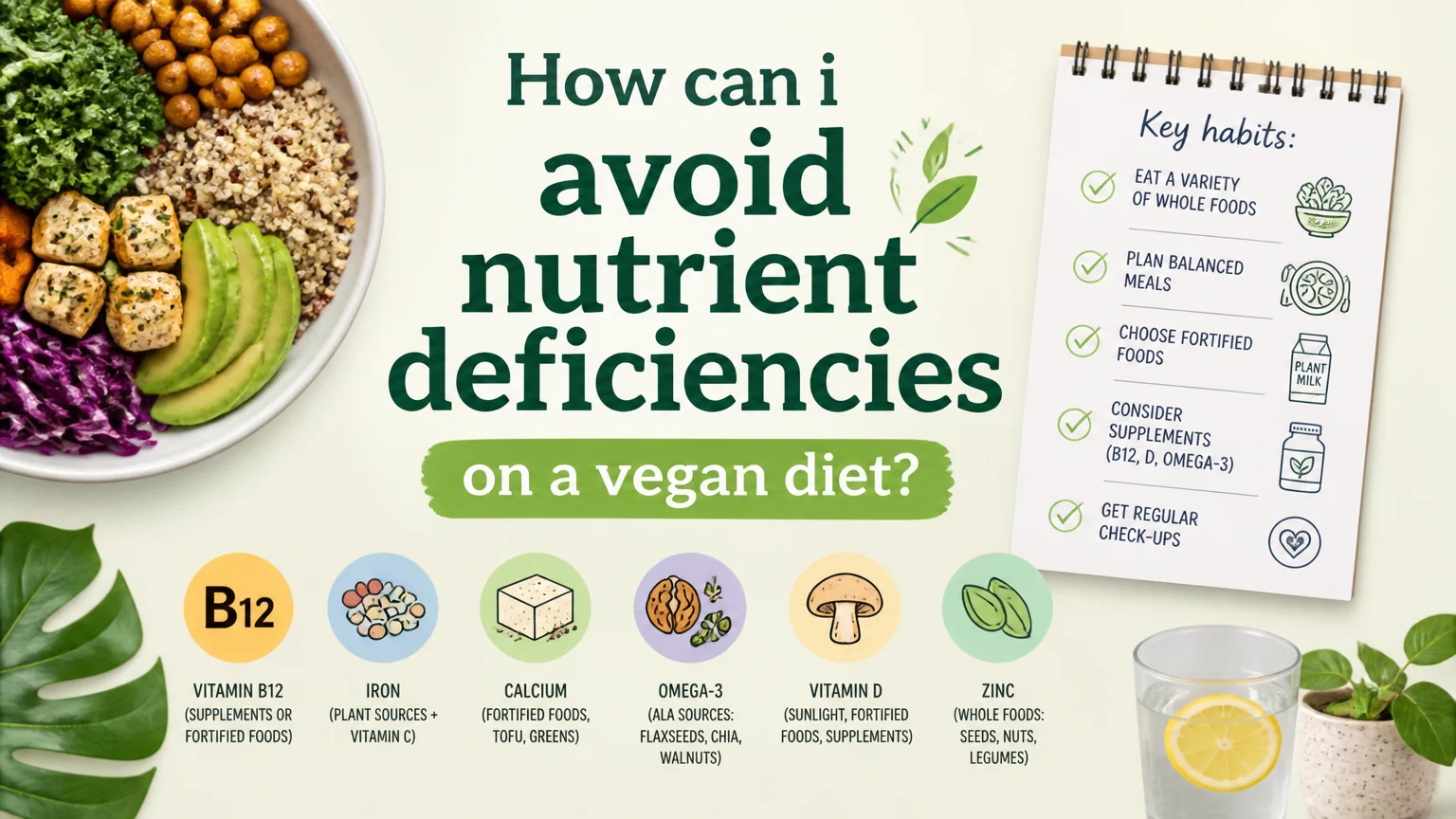
How can i avoid nutrient deficiencies on a vegan diet? - nutrition vegetarian
Understanding the nuances of veganism is key to its implementation. Prepare yourself for this rewarding journey by signing up for a course dedicated to balanced vegan nutrition that covers all aspects.
Veganism, more than a simple diet, is a lifestyle that seeks to exclude all forms of exploitation and cruelty towards animals. This means not consuming any animal products, including meat, fish, dairy, eggs, and honey. Why is it so popular? Well, for various reasons: from concern for animal welfare to perceived benefits for health and the environment. People are becoming increasingly aware of the impact of their food choices.
While a well-planned vegan diet can be extremely healthy, the challenge lies in ensuring you get all the essential nutrients traditionally found in animal products. It's not as simple as cutting out meat and that's it. It requires knowledge, planning, and sometimes, supplementation. Think of it like building a house: you need the right bricks (nutrients) and a good blueprint (planning) for it to be solid and durable.
Vitamin B12 is crucial for nerve function and red blood cell production. The problem is that it is practically not found in plant-based foods. It is produced by bacteria, and animals obtain it by consuming them. So, if you are vegan, B12 supplementation is practically mandatory. Don't risk it, it's essential! You can also look for fortified foods, but supplementation is usually the most reliable option.
Iron is vital for transporting oxygen in the blood. Plant sources of iron (such as spinach, lentils, and tofu) are "non-heme," which is absorbed less effectively than the "heme" iron found in meat. What to do? Combine iron-rich foods with Vitamin C (like bell peppers or citrus) to enhance absorption. Additionally, soaking and sprouting legumes and grains can reduce phytates, which inhibit iron absorption.
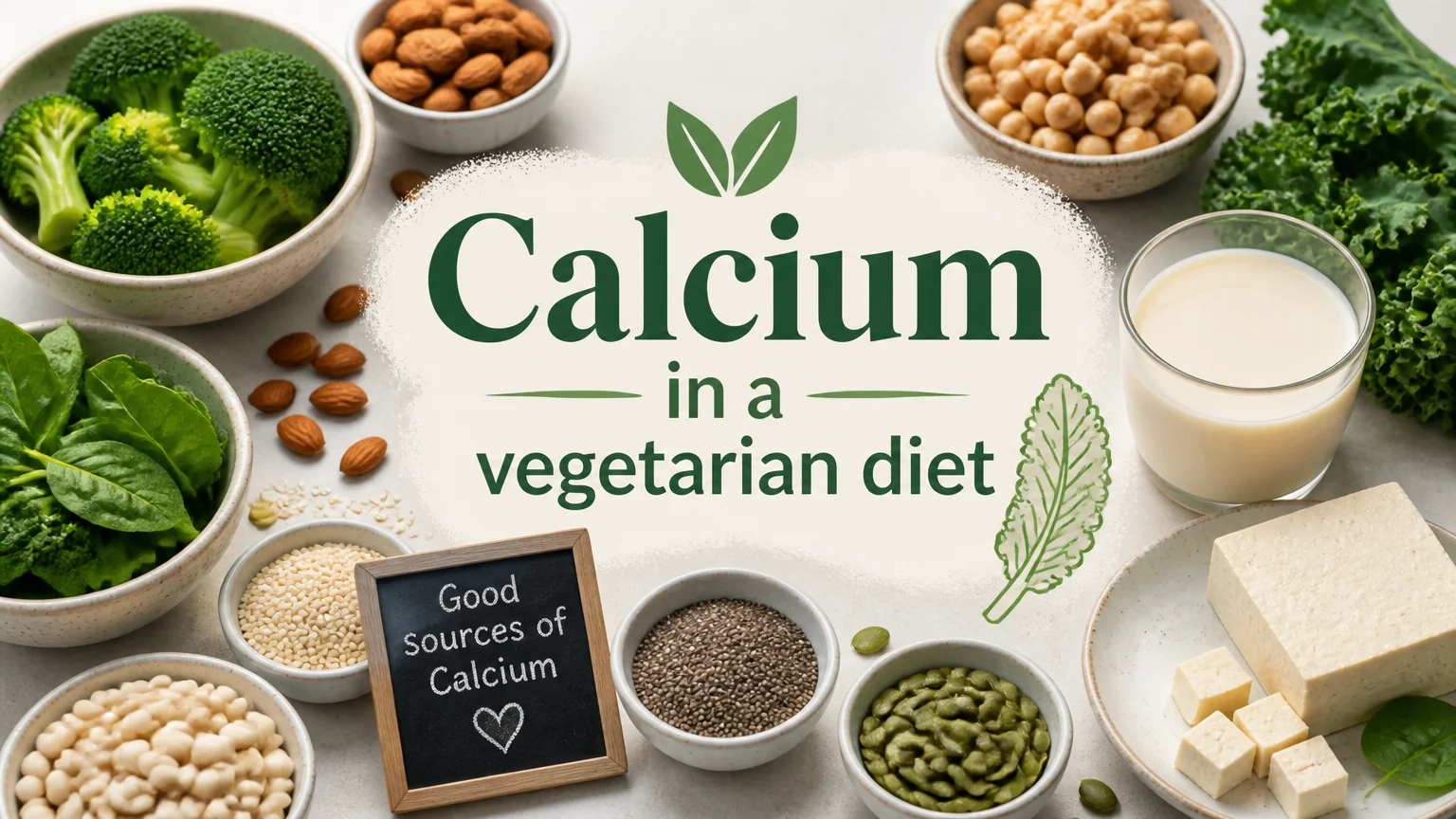
Calcium is essential for bone health. If you do not consume dairy, you must seek plant-based sources rich in calcium, such as fortified tofu, dark leafy greens (kale, broccoli), and almonds. Also, ensure you get enough Vitamin D, which aids calcium absorption.
Omega-3 fatty acids are important for brain and heart health. Fish is a primary source, but as a vegan, you can get them from flax seeds, chia seeds, walnuts, and algae oil. Algae oil is an excellent source of DHA and EPA, two particularly beneficial types of omega-3. The body can convert ALA (another type of omega-3) from seeds and nuts into DHA and EPA, but the conversion is not very efficient, so consider algae oil.
Vitamin D is crucial for calcium absorption and immune function. The main source is sun exposure, but many people do not get enough, especially in winter or if they live at high latitudes. Fortified foods (like some cereals and plant milks) can help, but supplementation is often necessary, especially for vegans. A blood test can help you determine your levels and adjust the dosage.
Meal planning is fundamental. It's not just about deciding what you will eat each day, but about ensuring you are getting a variety of foods that provide all the nutrients you need.
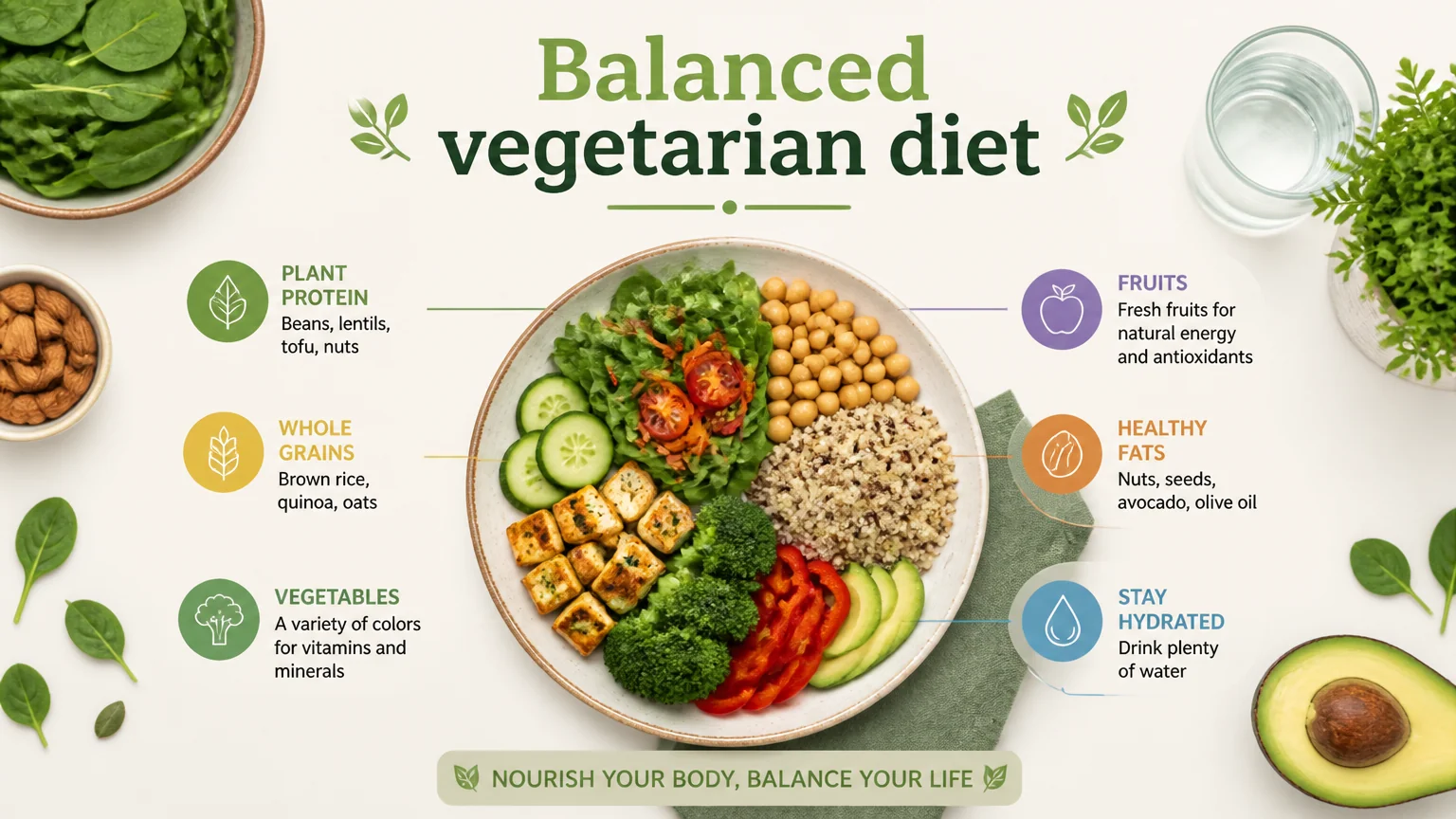
Don't limit yourself to just a few foods. The more varied your diet, the more likely you are to be covering all your nutritional needs. Include a wide range of fruits, vegetables, legumes, whole grains, nuts, and seeds.
As mentioned before, combining foods can improve nutrient absorption. For example, combining iron-rich foods with vitamin C, or consuming healthy fats with vegetables to improve the absorption of fat-soluble vitamins (A, D, E, K).
As we have seen, supplementation is crucial for some nutrients, especially B12. Other supplements you might consider are vitamin D, omega-3 (especially DHA and EPA), and iron, depending on your levels and individual needs. Consult with a professional to determine which supplements are right for you and the correct dosage.
A registered nutritionist or dietitian experienced in vegan diets can be your best ally. They can assess your individual needs, help you plan your meals, recommend supplements, and ensure you are getting all the nutrients you need for optimal health.
This smoothie is a powerhouse of vitamins, minerals, and antioxidants. Spirulina is an excellent source of protein and iron.
This salad is rich in protein, fiber, healthy fats, and vitamin C.
This curry is an excellent source of protein, fiber, and healthy fats. Coconut milk adds a creamy and delicious touch.
Reality: False! Legumes (lentils, chickpeas, beans), tofu, tempeh, seeds, and nuts are excellent sources of plant protein. A well-planned vegan diet can provide all the protein you need.
Reality: Another myth! Many people maintain healthy and sustainable vegan diets for decades. The key is planning and education.
Reality: Absolutely false! Many high-performance athletes are vegan and successfully build muscle. It requires adequate protein intake, strength training, and rest.
Adopting a vegan diet is a personal decision that can have many benefits. However, it is crucial to approach it with knowledge and planning. Ensuring you get all the essential nutrients through a varied diet, smart supplementation, and, if necessary, the help of a professional, will allow you to enjoy a healthy, nutritious, and sustainable vegan diet long-term. So go ahead, explore the vegan world with confidence!
Search
Popular searches