For Onlinecourses55
|
2026-03-05
For Onlinecourses55
|
2026-03-05
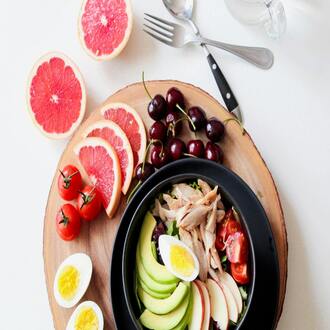
How can i ensure i get all the nutrients i need as a vegan? - nutrition vegetarian
Understanding the elements of vegan nutrition is crucial! Stay informed and healthy by participating in a course that guides you through essential dietary choices for vibrant living.
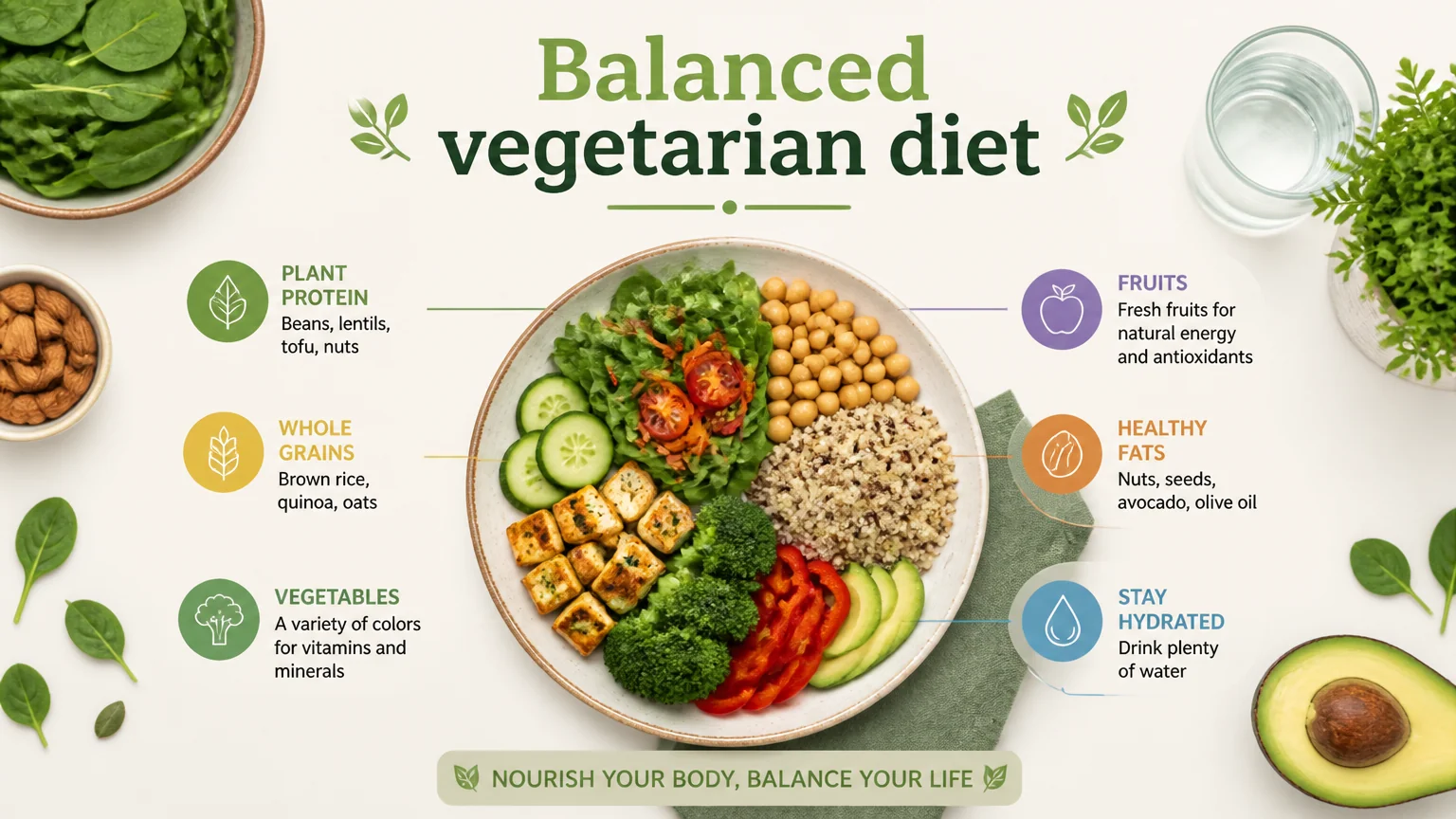
Hello! So you are delving into the vegan world—that’s great! Or perhaps you are already a veteran vegan looking to perfect your nutritional game. Whatever your situation, one thing is certain: making sure you get all the necessary nutrients is crucial for living a healthy and vibrant vegan life. Sometimes it seems like a maze, but with a little knowledge and planning, it’s easier than you think!
Before diving into the core of the matter, let's define what we mean by veganism. Basically, veganism is a way of life that seeks to exclude, as far as possible and practicable, all forms of exploitation and cruelty to animals. This means avoiding the consumption of any animal products, including meat, fish, dairy, eggs, and honey. It also encompasses not using products that have been tested on animals or contain ingredients of animal origin (such as leather, wool, or cosmetics).
Now, here is the crux of the matter. As a vegan, you are eliminating entire food groups from your diet. This is not inherently bad, but it means you must be conscious of how you are replacing those nutrients. Think of it this way: if you are building a house, you can’t simply remove the foundation and expect the house to stand up. You need to replace that foundation with something equally strong and stable. The same applies to vegan nutrition.
Let's break down the nutrients that require special attention in a vegan diet. These are the heroes (and sometimes the villains if we don't watch them) that will keep your body running like a well-oiled machine.
Protein is essential for building and repairing tissues, producing enzymes and hormones, and maintaining a healthy immune system. Many people wrongly assume that vegans don't get enough protein, but that's a myth!
Iron is crucial for transporting oxygen in the blood. Iron deficiency can lead to fatigue, weakness, and concentration problems. It is important to note that there are two types of iron: heme (found in animal foods) and non-heme (found in plant foods). Non-heme iron is absorbed less easily than heme iron.
The good news is that you can improve the absorption of non-heme iron by combining iron-rich foods with foods rich in vitamin C (such as citrus fruits, peppers, and broccoli). Avoid consuming tea or coffee with meals, as they contain tannins that can inhibit iron absorption.
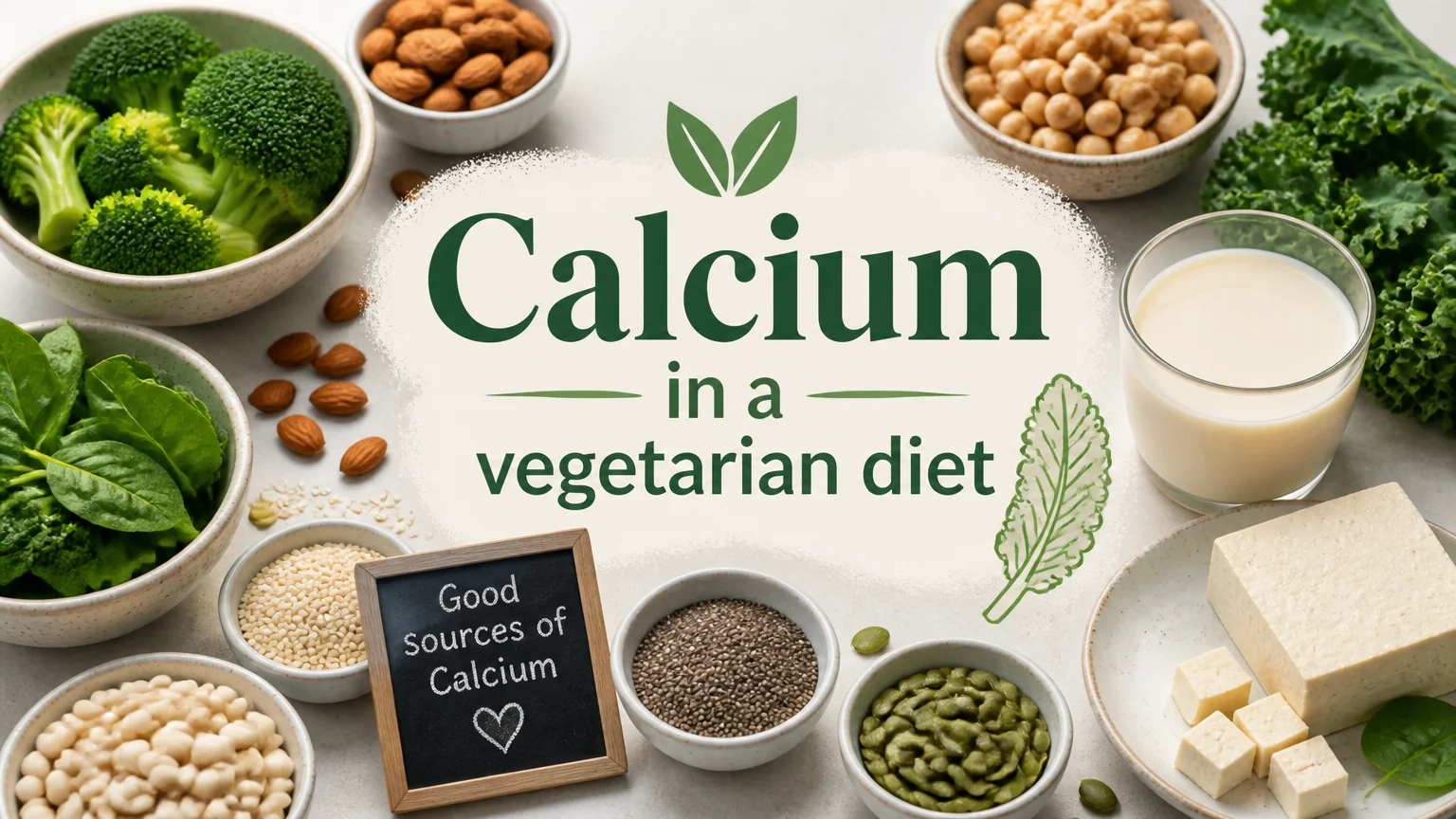
Calcium is fundamental for bone and dental health, as well as for muscle and nerve function. Traditionally, it is associated with dairy products, but there are many plant sources of calcium.
If you are unsure about getting enough calcium through diet, consider taking a calcium supplement, but always consult with a health professional first.
Vitamin B12 is essential for nerve function and the production of red blood cells. This vitamin is mainly found in animal products, so supplementation is fundamental for vegans.
Don't skip B12! It is absolutely crucial for your long-term health.
Omega-3 fatty acids are important for brain, heart, and eye health. The main types of omega-3 are ALA (alpha-linolenic acid), EPA (eicosapentaenoic acid), and DHA (docosahexaenoic acid). ALA is found in plant foods, while EPA and DHA are primarily found in fish.
Your body can convert ALA into EPA and DHA, but this conversion is not always efficient. Therefore, consider taking an algae oil supplement to ensure adequate intake of DHA and EPA.
Now that you know the key nutrients, let's talk about how to incorporate them into your daily diet.
The key to successful vegan nutrition is variety. Don't limit yourself to eating the same thing all the time. Experiment with different fruits, vegetables, legumes, grains, and seeds to ensure you get a wide range of nutrients.
Learn how to read food labels. Pay attention to the content of sodium, sugar, saturated fats, and trans fats. Look for foods high in fiber and nutrients. Becoming a label detective is an invaluable skill!
Vegan cuisine is surprisingly diverse and delicious. Don't be afraid to experiment with new recipes and cooking techniques! There are thousands of vegan recipes online and in cookbooks. You can even veganize your favorite dishes!
We have already discussed B12, but what about other supplements?
If you have any concerns about your nutrient intake, consult with a health professional. Some situations where you might consider taking supplements include:
In addition to B12, the following supplements may be beneficial for some vegans:
False! As we have seen, there are many sources of vegan protein. With proper planning, it is easy to get enough protein on a vegan diet.
It can be, but it doesn't have to be. Legumes, grains, and vegetables are affordable and nutritious options. Buying in bulk and cooking at home can help you save money.
While it can be a challenge in some places, more and more vegan options are becoming available in restaurants and grocery stores. Do a little research before you go out and don't be afraid to ask for vegan options.
In summary, ensuring you get all the necessary nutrients as a vegan requires planning, knowledge, and a little experimentation. But with the tips and resources in this article, you are well-equipped to live a healthy, happy, and sustainable vegan life. Enjoy the journey and remember that every little change counts!
1. Is it really necessary to take a B12 supplement if I am vegan?
Yes, absolutely. Vitamin B12 is found mainly in animal products, and it is crucial for nerve function and the production of red blood cells. Don't risk it—supplement!
2. How much protein do I need as a vegan?
The amount of protein you need depends on your activity level, age, and general health. As a general rule, try to consume around 0.8 grams of protein per kilogram of body weight.
3. What if I don't like legumes? Can I get enough protein from other sources?
Yes, absolutely! While legumes are an excellent source of protein, you can also get it from tofu, tempeh, quinoa, seeds, and nuts. Variety is key!
4. How can I improve iron absorption from plant foods?
Combine iron-rich foods (such as spinach and lentils) with foods rich in vitamin C (such as peppers and citrus fruits). Avoid consuming tea or coffee with meals.
5. Is algae oil safe as an omega-3 source?
Yes, algae oil is a safe and effective source of DHA and EPA for vegans. It is an excellent alternative to fish oil and is sustainable.
Search
Popular searches