For Onlinecourses55
|
2026-02-26
For Onlinecourses55
|
2026-02-26

How can i get protein on a vegan diet? - nutrition vegetarian
Worried about protein needs on a vegan diet? Discover holistic ways to ensure you meet them by checking out a comprehensive course on proteins in vegetarian eating that sets you on track.
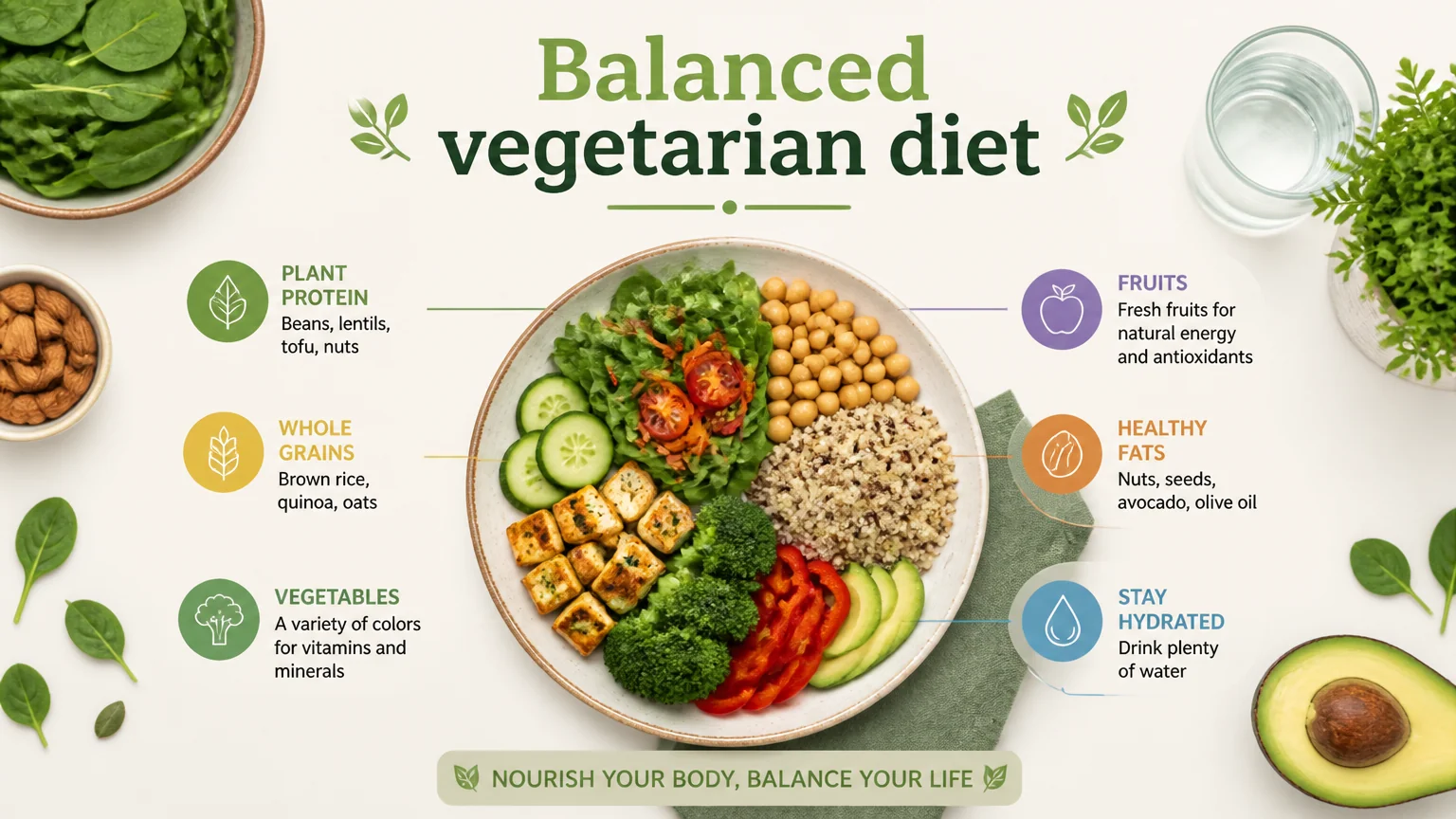
Hello everyone! If you are reading this, you are likely considering a vegan diet or already following one and are worried about getting enough protein. Don't worry! There is a persistent myth that vegans don't get enough protein, but let me tell you that it is completely false. With a little planning and knowledge, it is totally possible to get all the protein you need from plant sources. Ready to find out how? Let's go!
Before diving into protein sources, let's talk about amounts. How much protein do you actually need? The general recommendation is around 0.8 grams of protein per kilogram of body weight. For example, if you weigh 70 kg, you need about 56 grams of protein per day. However, this amount can vary depending on your physical activity level and other individual factors. Athletes and people who exercise regularly may need more protein.
Protein is an essential macronutrient that plays a crucial role in countless bodily functions. From building and repairing tissues to producing enzymes and hormones, protein is indispensable. It is also important for maintaining healthy immune function and transporting nutrients throughout the body. In short, protein is vital!
Legumes are one of the best sources of vegan protein available. Lentils, chickpeas, black beans, kidney beans... the list is endless! They are incredibly versatile, economical, and packed with nutrients. In addition to protein, they are also rich in fiber, iron, and other essential minerals.
Need ideas to incorporate more legumes into your diet? Here are a few:
Tofu and tempeh are soy derivatives that are an excellent source of complete protein. They are incredibly versatile and can absorb the flavors of the ingredients they are cooked with, making them a perfect canvas for culinary creativity.
Seeds and nuts are small but packed with nutrients and, of course, protein. Chia seeds, flax seeds, pumpkin seeds, almonds, walnuts, and peanuts are just a few examples. They are a great way to add a boost of protein and healthy fats to your diet.
Although they are often associated primarily with carbohydrates, whole grains also contain a decent amount of protein. Quinoa, brown rice, oatmeal, and buckwheat are good options. Additionally, they are an excellent source of fiber, which helps maintain digestive health.
Some sources of plant protein do not contain all the essential amino acids your body needs. These are called "incomplete" proteins. However, by combining different protein sources throughout the day, you can get all the essential amino acids. For example, combining legumes with whole grains creates a complete protein. Don't worry too much about this! If you eat a variety of plant foods, you are likely to get all the amino acids you need.
In most cases, vegan protein supplements are not necessary if you follow a balanced and varied diet. However, they may be useful for athletes, people who have difficulty consuming enough calories, or people with special nutritional needs. If you are considering taking vegan protein supplements, consult with a nutritionist or dietitian to determine if they are right for you.
It is always important to read food labels to know their nutritional content. Pay attention to the amount of protein per serving and look for foods that are rich in protein.
The key to a healthy, protein-rich vegan diet is variety. Don't limit yourself to just a few protein sources. Incorporate a wide range of legumes, tofu, tempeh, seeds, nuts, and whole grains into your diet to ensure you get all the nutrients you need.
There you have it! Getting enough protein on a vegan diet is not as difficult as it seems. With a little planning and knowledge, you can enjoy a delicious, nutritious, protein-rich diet that is good for your health and the planet. Don't be intimidated by the myths! Explore the world of vegan cooking and discover all the delicious options available to you. Enjoy your meal!
FAQ 1: Is it difficult to get enough protein on a vegan diet?
No, it is not difficult. With proper planning and consuming a variety of plant protein sources, it is totally possible to get enough protein on a vegan diet.
FAQ 2: What happens if I don't get enough protein?
Protein deficiency can cause fatigue, muscle weakness, immune problems, and other health issues. It is important to ensure you get enough protein in your diet.
FAQ 3: What are the best legumes for getting protein?
All legumes are good sources of protein, but lentils, chickpeas, and black beans are especially rich in protein.
FAQ 4: Should I worry about getting all the essential amino acids?
If you follow a varied and balanced vegan diet, you are likely to get all the essential amino acids you need. There is no need to worry too much about this.
FAQ 5: What vegan protein supplements are recommended?
If you are considering taking vegan protein supplements, look for options made with pea protein, brown rice protein, or soy protein. Consult with a nutritionist or dietitian to determine which is the best option for you.
Search
Popular searches