For Onlinecourses55
|
2026-01-01
For Onlinecourses55
|
2026-01-01
How to get calcium in a vegetarian diet? - nutrition vegetarian
To ensure that you meet your calcium needs while following a meat-free lifestyle, consider enrolling in a detailed program focused on vegetarian nutrition that covers all the plant-based sources and tips for optimal health.
Hello everyone! Have you ever wondered how to get enough calcium if you follow a vegetarian diet? Well, you've come to the right place! Calcium is a crucial mineral for our health, but it is often associated solely with dairy products. The good news is that there are many delicious and nutritious plant sources that can help you meet your daily calcium needs. Let's explore how you can achieve this.
Calcium is not just for growing children; it is essential for everyone, regardless of age or lifestyle. For vegetarians, it is vital to ensure they get enough calcium from non-animal sources to maintain optimal health. But why is it so important?
We all know that calcium is the main component of our bones and teeth. Adequate calcium intake helps prevent osteoporosis and keeps our teeth strong and healthy. Imagine your bones as a building; calcium is the cement that keeps them firm and resistant.
Calcium also plays a crucial role in muscle contraction and nerve signal transmission. Without enough calcium, our muscles would not function correctly, and our nervous system would be in trouble. It's like the fuel our body needs to run smoothly!
This mineral is also necessary for blood clotting, which helps stop bleeding when we cut ourselves. It's like an internal first-aid kit!
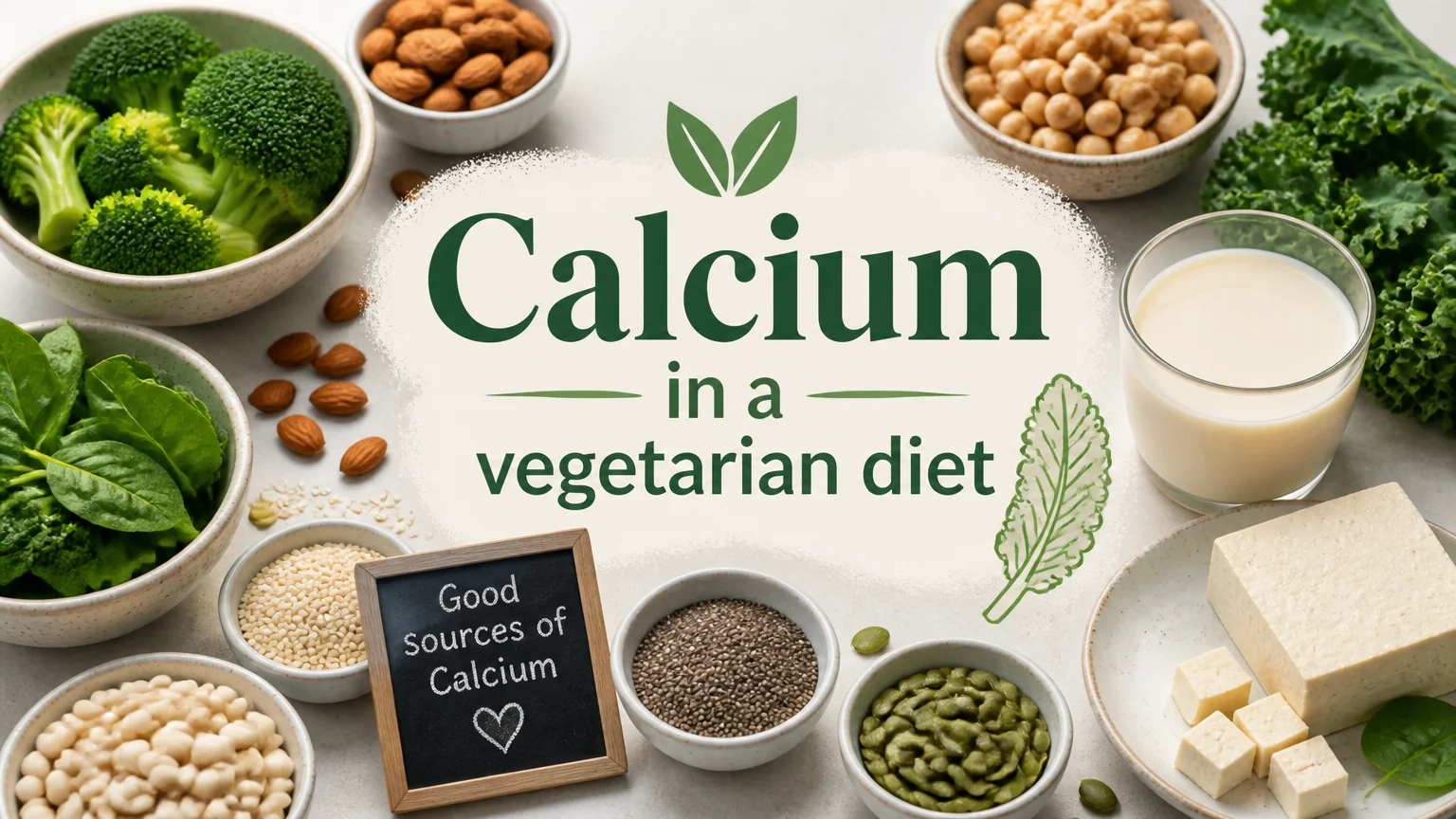
Now comes the fun part: exploring delicious plant-based sources of calcium! Forget the idea that only dairy can provide you with this mineral. Nature offers us a wide variety of options.
Leafy green vegetables are champions in the fight against calcium deficiency. They are easy to find, versatile, and delicious!
Kale is an incredibly nutritious vegetable that is packed with calcium. You can enjoy it in salads, smoothies, stir-fries—whatever you fancy! Did you know that one cup of cooked kale can provide you with about 10% of your daily calcium requirement?
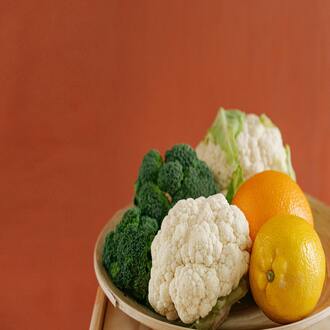
Broccoli is not only a source of calcium, but it is also packed with Vitamin C, fiber, and antioxidants. It's like a health superhero!
Bok choy is another excellent option for increasing your calcium intake. Plus, it is mild and easy to digest.
Nuts and seeds are another excellent source of calcium, and they are perfect for a quick and nutritious snack.
Almonds are rich in calcium, as well as healthy fats and Vitamin E. A handful of almonds can be an excellent addition of calcium to your diet.
Sesame seeds are an incredibly concentrated source of calcium. You can sprinkle them over salads, toast, or add them to your smoothies. Small but mighty!
Legumes are an excellent source of calcium, in addition to being rich in protein and fiber.
Chickpeas are a delicious and versatile option that you can enjoy in hummus, salads, or stews.
White beans are another excellent source of calcium and protein. Ideal for a comforting and nutritious dish!
Calcium-fortified tofu is an excellent way to increase your intake of this mineral, especially if you do not consume dairy. Look for tofu that is specifically fortified with calcium.
Fortified plant-based beverages, such as almond, soy, or rice milk, are an excellent way to get extra calcium in your diet. Be sure to choose options that are fortified with calcium and Vitamin D.
It's not enough to consume calcium-rich foods; it's also important to ensure our body can absorb it correctly. Here are some key factors that influence calcium absorption:
Vitamin D is essential for calcium absorption. Our body produces Vitamin D when exposed to sunlight, so get out and soak up the sun (with protection, of course)! You can also obtain Vitamin D from fortified foods or supplements.
Magnesium is another important mineral that helps the body utilize calcium efficiently. Be sure to include magnesium-rich foods in your diet, such as leafy greens, nuts, and seeds.
Excess sodium and caffeine can interfere with calcium absorption. Try to limit your consumption of these elements.
Here are some practical tips to ensure you are getting enough calcium in your vegetarian diet:
Planning your meals in advance will help ensure you are including enough calcium sources in your daily diet.
Don't limit yourself to a single source of calcium. Incorporate a variety of calcium-rich foods into your diet to get a broader range of nutrients.
If you have difficulty getting enough calcium from your diet, consider taking calcium supplements. However, it is important to talk to your doctor before starting any supplement.
There are some common mistakes people make when trying to get enough calcium on a vegetarian diet. Here they are so you can avoid them!
Do not rely solely on a single food for your calcium. Vary your diet to ensure you get a full range of nutrients.
Don't forget to consider factors that can inhibit calcium absorption, such as lack of Vitamin D and excess sodium and caffeine.
Here are some delicious and calcium-rich vegetarian recipes to get you started:
This salad is a great way to get calcium from leafy greens and sesame seeds.
Add fortified almond milk, kale, spinach, and chia seeds to your smoothie for a calcium boost.
Getting enough calcium on a vegetarian diet is totally possible and can be delicious. By incorporating a variety of calcium-rich foods into your diet, paying attention to factors that influence absorption, and avoiding common mistakes, you can keep your bones strong and your body healthy. So go ahead, explore the wonderful plant-based sources of calcium, and enjoy a nutrient-rich vegetarian diet!