For Onlinecourses55
|
2026-09-03
For Onlinecourses55
|
2026-09-03
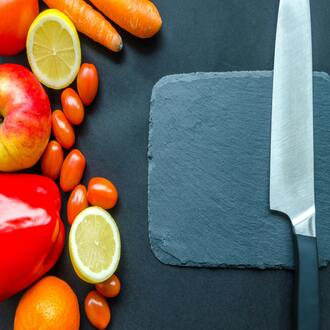
Vegan nutritional counseling - nutrition vegetarian
If you're looking for a sustainable way to nourish your body, don't miss the chance to learn through engaging content in vegetarian nutritional guidance that addresses all your dietary concerns.
Hello everyone! Have you ever wondered if a vegan diet is truly balanced and healthy? Are you afraid you aren't getting all the nutrients you need? Don't worry, you are not alone! Many people have these doubts. That's why today we are going to dive into the world of vegan nutritional counseling. We are going to demystify some misconceptions and give you the tools so you can enjoy a complete and delicious vegan diet.
Vegan nutritional counseling is basically a personalized guide to help you follow a vegan diet in a healthy and balanced way. It involves working with a professional who helps you plan your meals, ensures you are getting all the nutrients you need, and addresses any concerns or doubts you may have about your diet.
While it is true that you can find a lot of information about vegan nutrition online, a professional can offer you a specific plan tailored to your individual needs, considering factors such as your age, gender, physical activity level, and any pre-existing health conditions. It's like having a personalized map for your nutritional journey.
A general nutritionist can help you with a variety of nutritional goals, but a nutritionist specializing in veganism has deep knowledge of the specific challenges and opportunities that this type of diet presents. They will know how to optimize the absorption of important nutrients, how to combine foods to obtain complete proteins, and how to avoid common nutritional deficiencies. It's like choosing a specialized mechanic for your type of car.
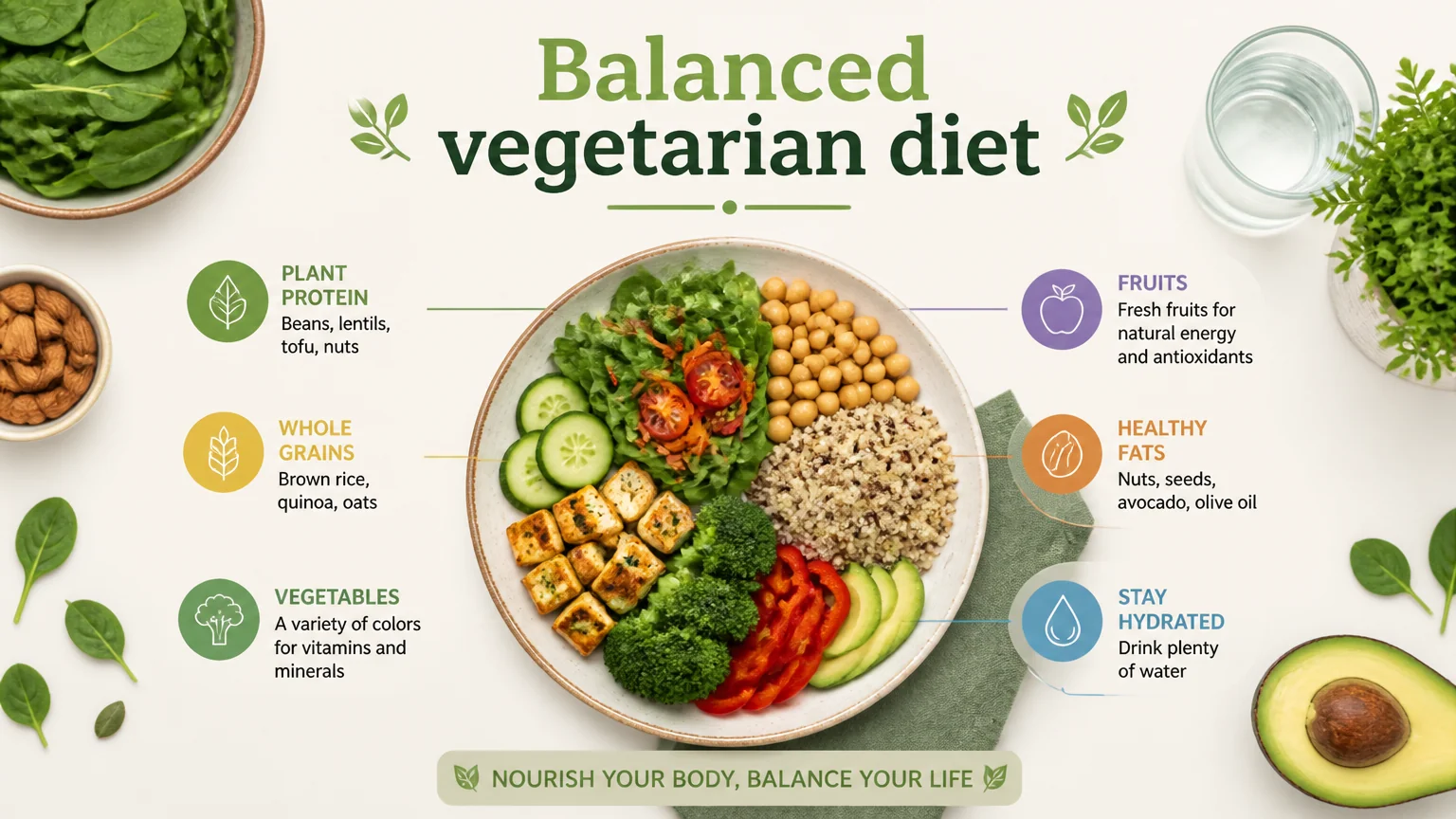
The vegan diet, when well-planned, can offer a large number of health benefits. But be careful, the key is planning.
Numerous studies have shown that people who follow a vegan diet have a lower risk of developing chronic diseases such as type 2 diabetes, certain types of cancer, and heart disease. This is due, in part, to the high consumption of fiber, vitamins, minerals, and antioxidants found in plant-based foods.
A vegan diet, rich in fruits, vegetables, legumes, and whole grains, can help reduce LDL cholesterol levels (the "bad" one) and blood pressure, which contributes to better cardiovascular health. Furthermore, plant-based foods are generally low in saturated fats, which are harmful to the heart.
Many people find that the vegan diet helps them maintain a healthy weight and improve their body composition. This is because plant-based foods are generally low in calories and high in fiber, which helps you feel full longer.
Here comes the important part: how do you ensure you are getting all the nutrients you need? Don't worry, it's easier than it looks!
Protein is essential for building and repairing tissues. Vegan protein sources include legumes (lentils, chickpeas, beans), tofu, tempeh, seitan, quinoa, nuts, and seeds. The key is to combine different protein sources throughout the day to obtain all essential amino acids. For example, rice and beans is a classic and effective combination.
Iron is important for transporting oxygen in the blood. Plant-based iron (non-heme iron) is absorbed less efficiently than animal-based iron (heme iron). To improve absorption, consume foods rich in Vitamin C (citrus fruits, peppers) along with iron-rich foods (lentils, spinach). Avoid consuming tea or coffee with meals, as they can inhibit iron absorption.
Vitamin B12 is essential for nerve function and red blood cell production. It is not reliably found in plant-based foods, so supplementation is essential for vegans. Talk to your doctor or nutritionist to determine the appropriate dosage for you.
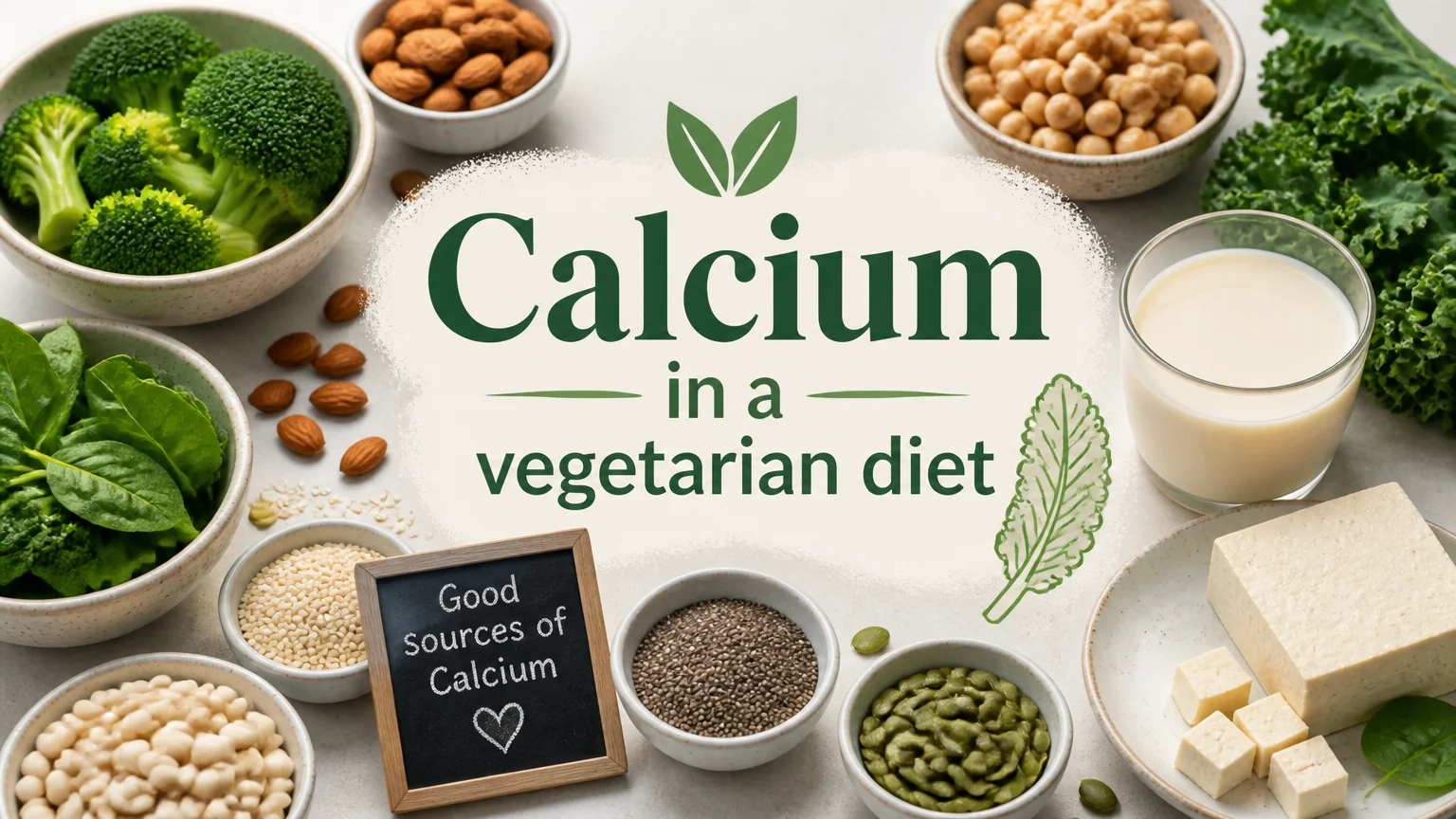
Calcium is important for bone health. Vegan calcium sources include leafy green vegetables (kale, broccoli), calcium-fortified tofu, fortified plant milk, almonds, and sesame seeds. As with iron, some factors can influence calcium absorption. Consuming Vitamin D and avoiding excess sodium and caffeine can help optimize calcium absorption.
Omega-3 fatty acids are important for brain and cardiovascular health. Vegan sources of omega-3 include flaxseeds, chia seeds, walnuts, and algae oil. Algae oil is a direct source of DHA and EPA, the most beneficial types of omega-3.
Finding the right nutritional counselor can make all the difference in your journey toward a healthy vegan diet.
There are various online platforms and professional directories where you can find nutritionists specializing in veganism. Look on the websites of nutritionist associations or in online directories specializing in vegetarian and vegan diets.
Before hiring a nutritional counselor, be sure to ask them important questions such as: "What is your experience with vegan diets?", "Do you have any specific certification or training in vegan nutrition?", "How would you address my specific concerns about my diet?".
What can you expect from the vegan nutritional counseling process?
The first step is an initial evaluation where the nutritionist will ask you about your medical history, current eating habits, and nutritional goals. Together, you will establish realistic and achievable goals.
Based on the initial evaluation, the nutritionist will help you plan personalized menus that adapt to your needs and preferences. These menus will include recipes, shopping lists, and tips for food preparation.
Vegan nutritional counseling is an ongoing process. The nutritionist will follow up with you regularly to evaluate your progress and make adjustments to your eating plan as necessary.
Watch out for these mistakes! Recognizing them will help you avoid them and optimize your vegan diet.
It's easy to fall into the trap of processed vegan foods, such as frozen vegan burgers or vegan cheeses. While these foods can be convenient occasionally, they should not be the foundation of your diet. Prioritize whole and fresh foods.
Eating the same vegan foods day after day can lead to nutritional deficiencies. Make sure to include a wide variety of fruits, vegetables, legumes, whole grains, nuts, and seeds in your diet.
Some people following a vegan diet may struggle to consume enough calories, especially if they are highly physically active. Make sure you eat enough food and include healthy fats in your diet (avocado, nuts, seeds).
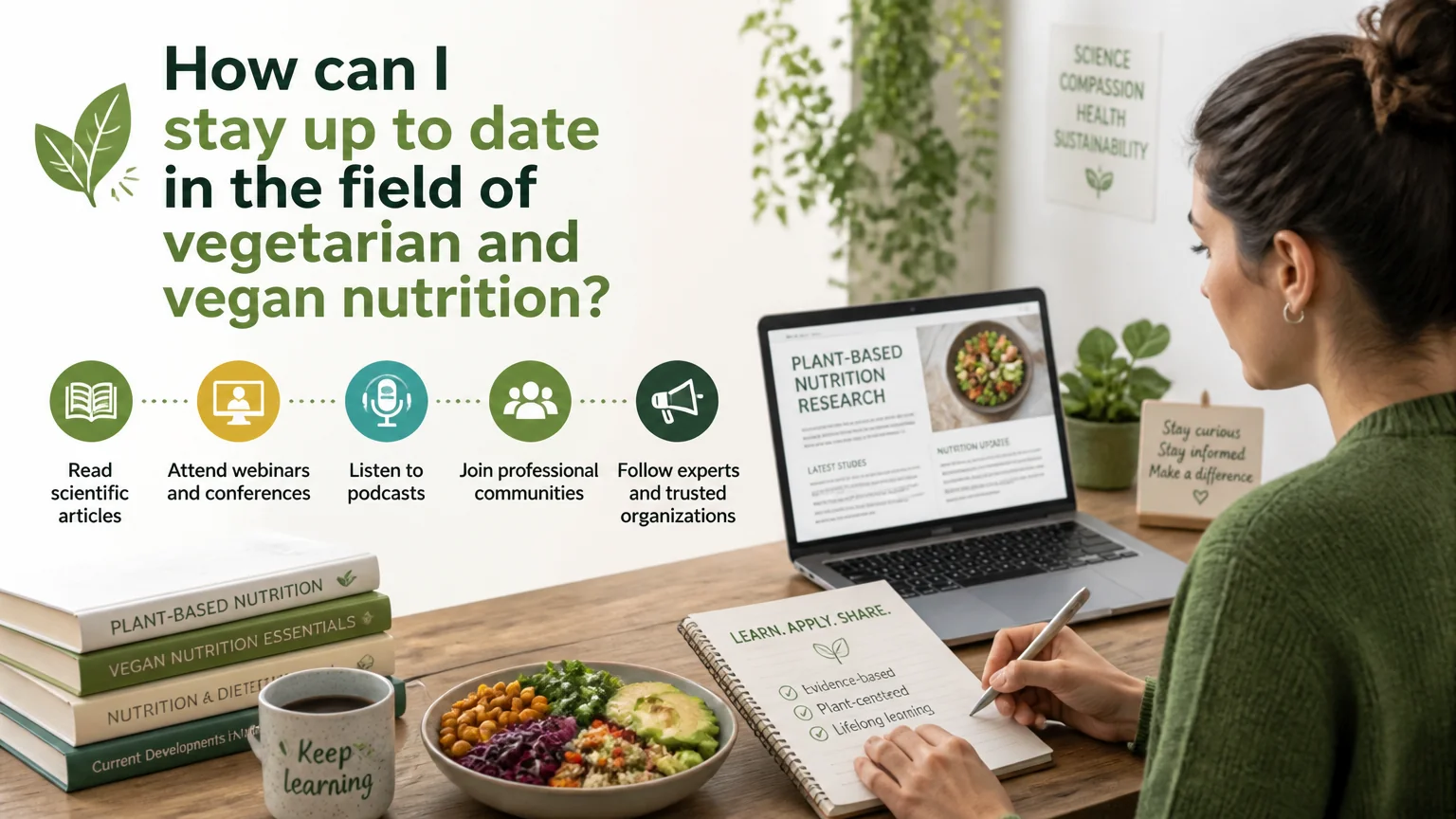
Learning never ends! Here are some resources for you to continue exploring the world of vegan nutrition.
There are many excellent books on vegan nutrition. Look for books written by registered nutritionists or dietitians and based on scientific evidence.
There are a large number of blogs and websites dedicated to vegan nutrition. Be sure to choose reliable, science-based sources.
Joining online vegan communities can be an excellent way to get support, share recipes, and learn from others.
In summary, vegan nutritional counseling is a valuable tool for anyone who wants to follow a vegan diet in a healthy and balanced way. With the guidance of a qualified professional, you can ensure you are getting all the nutrients you need and enjoy all the benefits this type of diet offers. Dare to explore the vegan world with confidence and knowledge!
Do I need to take supplements if I follow a vegan diet?: Yes, Vitamin B12 supplementation is essential. Depending on your diet and lifestyle, you may also need Vitamin D, omega-3, and iron supplements. Talk to your doctor or nutritionist to determine which supplements are right for you.
Is it difficult to get enough protein on a vegan diet?: No, as long as you plan your meals correctly and combine different sources of plant protein. Legumes, tofu, tempeh, seitan, and quinoa are excellent sources of vegan protein.
Can I follow a vegan diet if I have allergies or food intolerances?: Yes, but it is important to work with a nutritionist to ensure you are getting all the nutrients you need. He or she can help you find suitable alternatives for the foods you cannot eat.
Is the vegan diet suitable for children and pregnant women?: Yes, as long as it is well-planned and adequate intake of all essential nutrients is ensured. It is essential to consult with a pediatrician or a nutritionist specializing in child and pregnancy nutrition.
How much does vegan nutritional counseling cost?: The cost of vegan nutritional counseling varies depending on the professional and the type of service they offer. Research different options and choose a counselor who fits your budget and needs.
Search
Popular searches