For Onlinecourses55
|
2026-10-01
For Onlinecourses55
|
2026-10-01
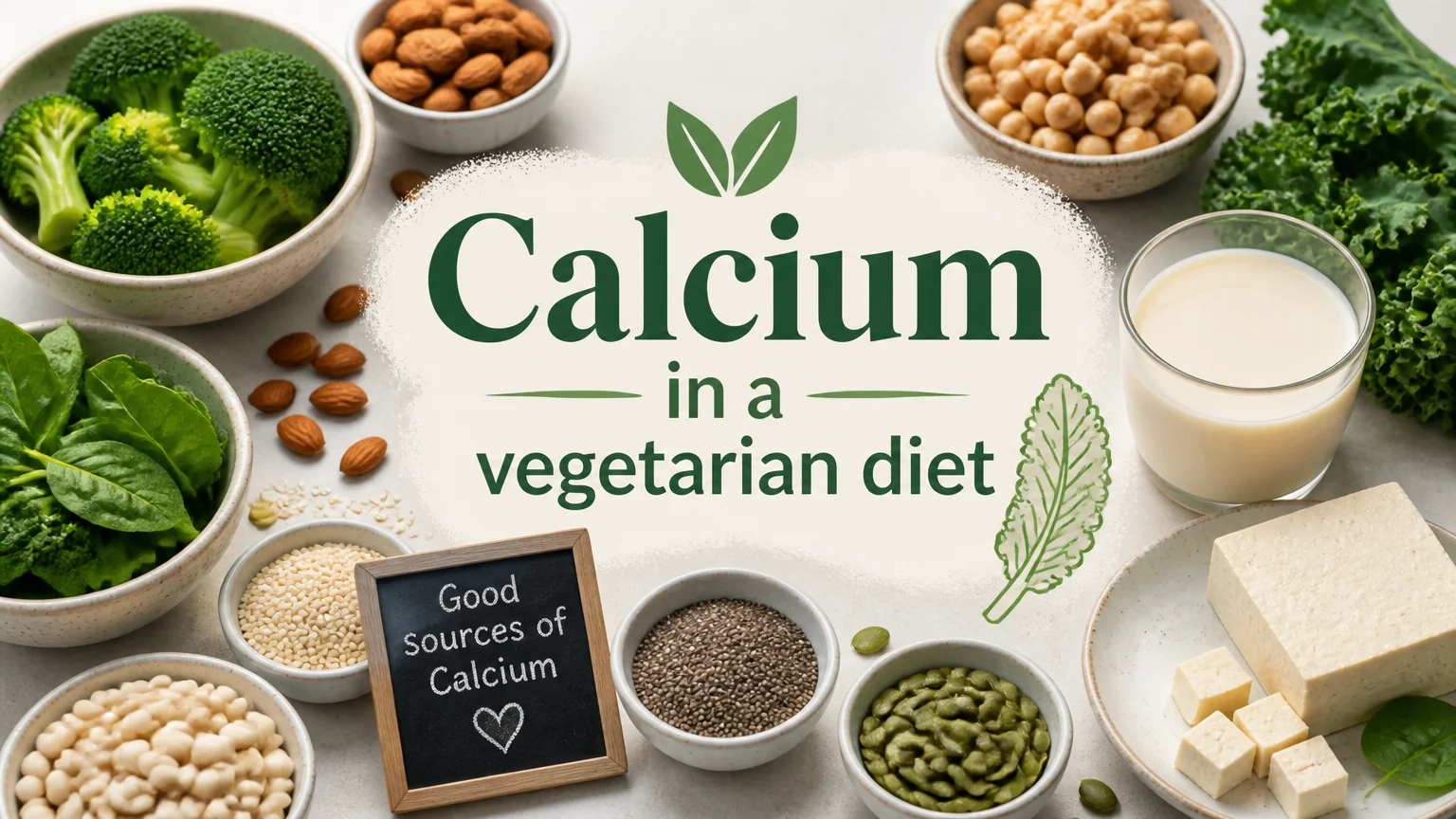
Calcium in a vegetarian diet - nutrition vegetarian
If you're curious about how to meet your calcium needs without dairy, look no further! This article is a perfect segue into a course dedicated to vegetarian nutrition that will help you thrive.
Hello everyone! If you are vegetarian or considering adopting this lifestyle, you have surely asked yourself: How do I get enough calcium without consuming dairy? Don't worry! You are in the right place. In this comprehensive guide, we will explore vegetarian sources of calcium, how to maximize its absorption, and debunk some common myths. Prepare to discover that a calcium-rich vegetarian diet is totally possible and delicious.
Before diving into vegetarian sources, it is crucial to understand why calcium is so important. It's not just about strong bones, although that is a big part of it. Did you know that calcium participates in many other vital body functions?
We all know that calcium is the main component of our bones and teeth. Without enough calcium, bones weaken, increasing the risk of osteoporosis and fractures. Imagine your bones as a bank account: you need to deposit calcium regularly to maintain a healthy balance and avoid bone bankruptcy.
But calcium is not only used to build bones. It also plays a fundamental role in muscle contraction. Every time you move, calcium is there, helping your muscles contract and relax. It’s like the switch that turns your muscles on and off!
Did you know that calcium is also important for the heart? It helps regulate blood pressure and heart rate. An adequate level of calcium contributes to keeping your heart beating strong and healthy. It's like the oil that keeps your heart's engine running smoothly!
Now, the million-dollar question: Where to find calcium in a vegetarian diet? The answer is in many delicious places! Forget the idea that only dairy provides calcium. The plant world is full of nutritious surprises.
Green leafy vegetables are one of the best vegetarian sources of calcium. They are like small nutritional treasures!
Kale is a calcium superstar. A serving of cooked kale can provide a significant amount of calcium. Additionally, it is rich in vitamins and antioxidants. It's like the superhero of vegetables!
Broccoli is also an excellent source of calcium. Additionally, it is rich in fiber and Vitamin C. It’s like the wild card that always helps you complete your hand!
Nuts and seeds are not only delicious but are also a good source of calcium. They are like small snacks full of nutrients!
Almonds are an excellent source of calcium. A handful of almonds can provide a considerable amount of this mineral. They are like the small batteries that give you energy and calcium!
Sesame seeds are also a good source of calcium. You can sprinkle them on salads, rice, or use them to make tahini. They are like the magical touch that elevates your dishes!
Legumes are an underestimated source of calcium. They are like the unsung heroes of nutrition!
Chickpeas are an excellent source of calcium. You can use them to make hummus, salads, or stews. They are like the foundation of a nutritious and delicious dish!
White beans are also a good source of calcium. You can add them to soups, salads, or use them as a side dish. They are like the reinforcement you need to get your daily dose of calcium!
In many countries, certain foods are fortified with calcium. It's like a trick to add more nutrients to your diet!
Fortified plant milks, such as almond, soy, or rice milk, are an excellent alternative to cow's milk. Be sure to choose a brand fortified with calcium. It's like the improved version of traditional milk!
Fortified tofu is an excellent source of protein and calcium. You can use it in stir-fries, salads, or as a meat substitute. It's like the chameleon of the kitchen, adaptable and nutritious!
Many breakfast cereals are fortified with calcium. It's like starting the day with a blast of nutrients!
It is not enough to consume calcium-rich foods. It is also important to ensure that your body absorbs it correctly. It's like having the right key to unlock the calcium treasure chest!
Vitamin D is essential for calcium absorption. Your body needs Vitamin D to transport calcium from the intestine to the bones. You can get Vitamin D through sun exposure, fortified foods, or supplements. It's like the GPS that guides calcium to its final destination!
Some foods contain substances that can inhibit calcium absorption, such as oxalic acid (present in spinach) and phytates (present in whole grains). It is not necessary to eliminate them completely from your diet, but it is important to consume them in moderation. It's like avoiding obstacles on the path of calcium!
Magnesium is also important for calcium metabolism. It helps regulate calcium levels in the body. You can get magnesium through foods like nuts, seeds, green leafy vegetables, and whole grains. It's like the orchestra conductor coordinating calcium and magnesium!
If you have difficulty getting enough calcium through your diet, you can consider taking calcium supplements. It's like a safety net to ensure you get enough calcium!
It is important to consult a doctor or nutritionist before taking calcium supplements. They can evaluate your individual needs and recommend the appropriate dosage. It's like asking an expert for advice before making an important decision!
There are different types of calcium supplements, such as calcium carbonate and calcium citrate. Calcium carbonate is cheaper, but it is better absorbed when taken with food. Calcium citrate is well absorbed with or without food. It's like choosing the right type of fuel for your body!
It is important not to exceed the recommended dose of calcium. Excess calcium can cause side effects, such as constipation and kidney stones. It's like knowing when to stop before going too far!
Here are some ideas to incorporate more calcium into your vegetarian diet:
It's time to clarify some misconceptions about calcium and vegetarianism.
Myth: Vegetarians don't get enough calcium.
Truth: A well-planned vegetarian diet can provide enough calcium.
Myth: Only dairy is a good source of calcium.
Truth: There are many vegetarian sources of calcium, such as green leafy vegetables, nuts, seeds, and legumes.
Myth: Calcium supplements are always necessary for vegetarians.
Truth: Not all vegetarians need calcium supplements. It depends on their individual needs and diet.
As you have seen, getting enough calcium in a vegetarian diet is not only possible but also delicious and varied. By choosing calcium-rich foods, maximizing their absorption, and considering supplements if necessary, you can keep your bones strong, your muscles functioning correctly, and your heart beating strong. So go ahead, enjoy your vegetarian diet, and stay calcified!
How much calcium do I need daily? The recommended amount of calcium varies by age and gender. Generally, adults need around 1000-1200 mg of calcium per day.
Is it better to take calcium supplements in the morning or at night? It depends on the type of supplement. Calcium carbonate is better absorbed when taken with food, so it is best to take it during meals. Calcium citrate is well absorbed with or without food.
What foods should I avoid to maximize calcium absorption? It is important to moderate the consumption of foods rich in oxalic acid (such as spinach) and phytates (such as whole grains).
Does caffeine affect calcium absorption? Excessive caffeine consumption can increase calcium excretion. It is important to consume it in moderation.
Are dark green leafy vegetables always a good source of calcium? Yes, but some vegetables, such as spinach, contain oxalic acid, which can inhibit calcium absorption. However, they remain a valuable source of other nutrients.