For Onlinecourses55
|
2026-08-27
For Onlinecourses55
|
2026-08-27
What topics should be covered in a comprehensive vegetarian and vegan nutrition course? - nutrition vegetarian
If you are seeking the best way to follow a vegetarian or vegan diet, a complete nutrition course can illuminate essential practices for healthy living.
Hello everyone! Have you ever wondered what you need to know to follow a vegetarian or vegan diet healthily? If the answer is yes, you are in the right place! In this article, we are going to break down the essential topics that a complete course on vegetarian and vegan nutrition should cover. Get ready for a journey full of practical information and useful tips.
Let's start at the beginning. A good vegetarian and vegan nutrition course needs to give you a solid foundation.
It's not just about taking meat off the plate. It is much more than that! There are different types of vegetarianism (ovolactovegetarian, lactovegetarian, etc.) and veganism, which goes a step further by eliminating all animal products. The course must explain these differences and how each one impacts your nutritional needs.
Did you know that a well-planned vegetarian or vegan diet can reduce the risk of heart disease, type 2 diabetes, and some types of cancer? It's true! The course must explore these science-backed benefits.
In addition to health, many people choose these diets for ethical and environmental reasons. The course must address the impact of meat production on the planet and how plant-based diets can be more sustainable.
Now, let's talk about the "big ones": proteins, carbohydrates, and fats.
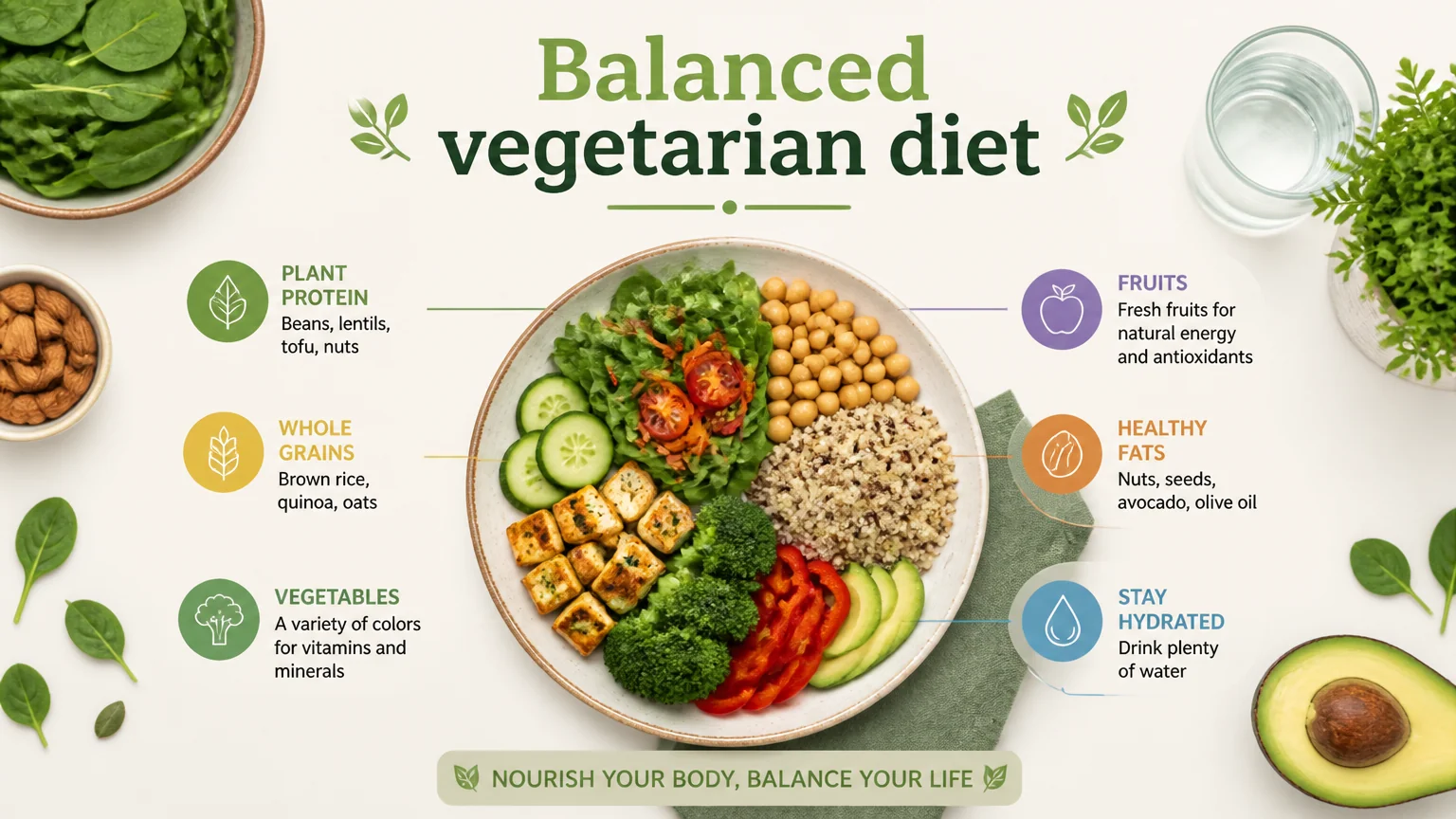
Protein is fundamental! A common misconception is that vegetarians and vegans do not consume enough protein. The course should teach you the best plant sources of protein (legumes, tofu, tempeh, nuts, seeds) and how to combine them to obtain all essential amino acids. Did you know that quinoa is a complete protein?
Not all carbohydrates are equal. The course should differentiate between simple and complex carbohydrates and emphasize the importance of choosing whole grain options (brown rice, oats, whole wheat bread) to maintain stable energy levels and good intestinal health.
Fats are essential for brain and heart health! The course should cover the different types of fats (saturated, unsaturated, trans) and highlight healthy plant sources such as avocado, olive oil, nuts, and seeds. It should also emphasize the importance of omega-3s and how to obtain them from sources like chia and flax seeds.
This is where things get interesting. Let's talk about the vitamins and minerals that require special attention!
Iron is crucial for transporting oxygen in the blood. Plant sources of iron (lentils, spinach, tofu) are not absorbed as well as iron from meat. The course must teach you how to improve absorption by combining iron-rich foods with vitamin C (peppers, citrus fruits).
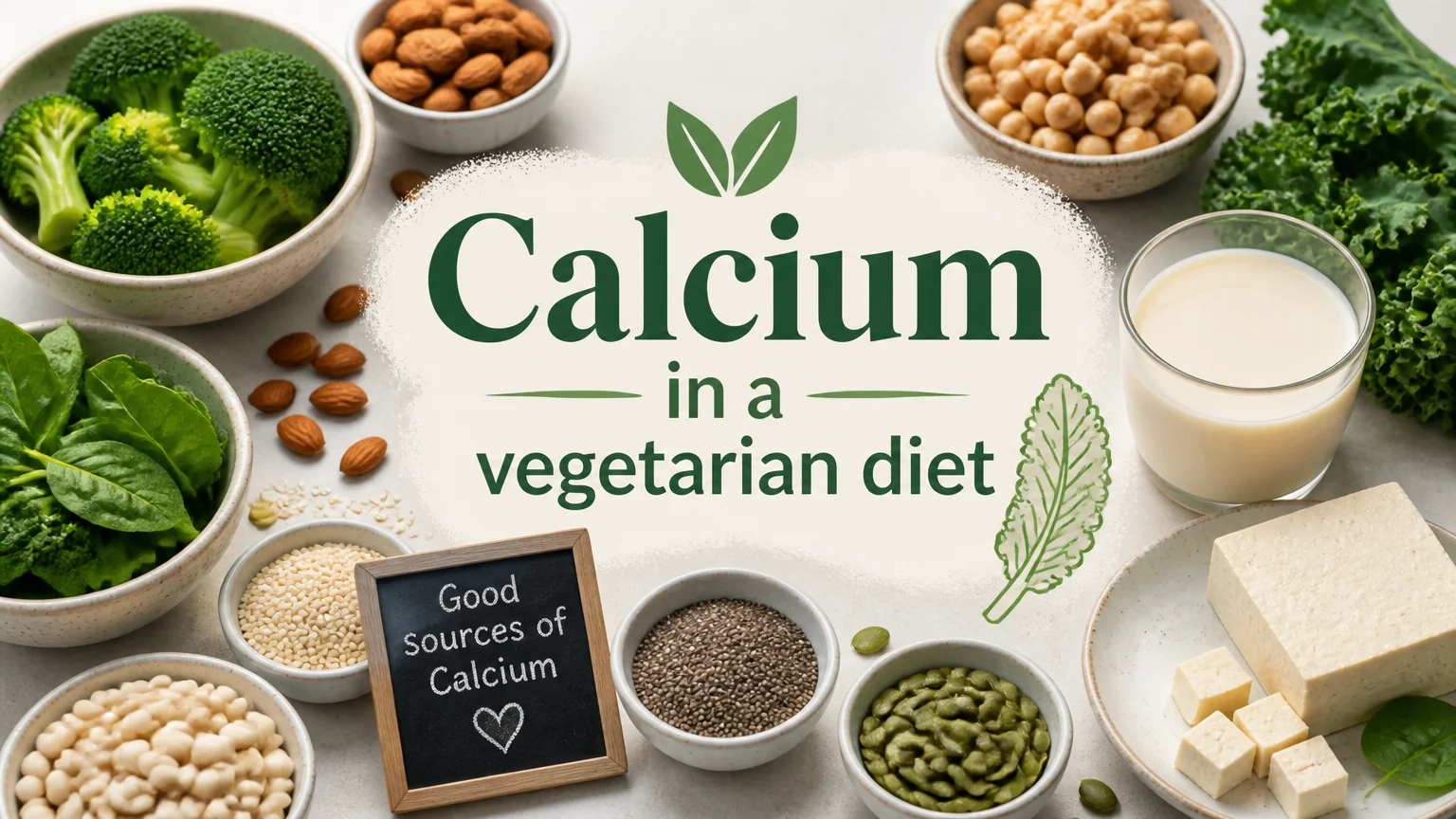
Calcium is vital for strong bones. Although dairy products are a common source, there are many plant options such as broccoli, kale, almonds, and fortified foods. The course must explain how vitamin D and magnesium influence calcium absorption.
Here's a hot topic! Vitamin B12 is essential for nerve function and red blood cell production, and it is difficult to obtain from plant sources. The course must address the need for supplementation and discuss alternative sources (such as some algae) that are subject to debate.
Vitamin D is important for bone health and the immune system. The course must explain how to obtain enough vitamin D through sun exposure, fortified foods (such as plant milks), and, if necessary, supplements.
Zinc is crucial for immune function and wound healing. The course should identify plant sources such as legumes, nuts, and seeds, and teach strategies to improve absorption, such as soaking legumes before cooking them.
Now, to the kitchen!
A complete course must teach you how to plan weekly menus that are nutritionally balanced and delicious. It's not just about eating salad every day!
Do you want to veganize your favorite dish? The course should offer ideas for substituting ingredients of animal origin with vegetable options without sacrificing flavor. For example, using applesauce instead of egg in baking.
Learn to decipher food labels! The course should teach you how to identify hidden ingredients of animal origin and choose products low in saturated fats, added sugars, and sodium.
Each stage of life has different nutritional requirements.
Is it safe for children and adolescents to follow a vegetarian or vegan diet? Yes, as long as it is well-planned! The course must address the special needs of these age groups in terms of calories, protein, iron, and calcium.
Nutrition during pregnancy and lactation is crucial for the health of the mother and baby! The course must provide specific guidelines on the intake of vitamins, minerals, and omega-3 fatty acids.
As we age, our nutritional needs change. The course must address common challenges in adulthood and old age, such as muscle mass loss and decreased nutrient absorption.
Can you be a successful athlete on a plant-based diet? Absolutely!
The course must address the energy and protein needs of vegetarian and vegan athletes, and how to optimize nutrient intake to improve performance.
After intense training, recovery is key. The course should teach strategies to replenish lost nutrients and accelerate muscle recovery.
Beyond health, there is a world of ethical and environmental considerations.
The course must explore the impact of animal agriculture on climate change, deforestation, and water pollution, and how plant-based diets can be more sustainable.
For many people, ethics is a key motivation for adopting a vegetarian or vegan diet. The course must address the topic of animal welfare and animal rights in food production.
It's time to clear some things up!
There are many myths about vegetarian and vegan diets, such as the belief that they are difficult to follow or that they do not provide enough protein. The course must debunk these erroneous beliefs with scientific evidence.
The course must present the scientific evidence that supports the health benefits of vegetarian and vegan diets, such as the reduction of the risk of chronic diseases.
You are not alone on this path!
The course should recommend cookbooks, blogs, and websites that offer recipes, nutritional information, and practical tips.
There are many applications available that help you track your intake of calories, macronutrients, and micronutrients. The course should recommend some of the best options.
In summary, a comprehensive course on vegetarian and vegan nutrition must cover a wide range of topics, from the fundamentals of the diet to specific nutritional needs at different stages of life. With careful planning and the right knowledge, you can enjoy a plant-based diet that is healthy, delicious, and sustainable. So, go ahead and explore this fascinating world and discover the power of vegetarian and vegan nutrition!
Is it difficult to get enough protein on a vegan diet? No, if you plan your meals and make sure to include sources of plant protein such as legumes, tofu, tempeh, quinoa, and nuts.
Do I need to take supplements if I am vegetarian or vegan? It is advisable to supplement with vitamin B12, and consider vitamin D, especially if you do not have enough sun exposure.
Can children follow a vegan diet? Yes, with careful planning and the supervision of a health professional, children can follow a healthy vegan diet.
What should I look for on food labels if I am vegan? Look for ingredients of animal origin such as milk, eggs, honey, gelatin, and whey.
Where can I find healthy vegetarian and vegan recipes? There are many cookbooks, blogs, and websites that offer delicious and nutritious recipes. Some examples include Minimalist Baker, Oh She Glows, and Vegan Richa.
Search
Popular searches