ForOnlinecourses55
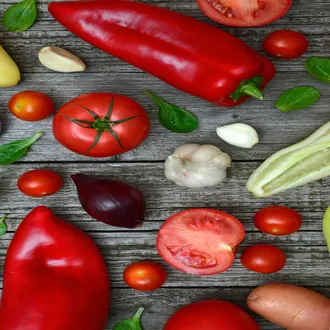
Foods that speed up metabolism and help you lose weight - nutrition weight loss
The rate at which the body burns calories is influenced by many factors, and diet is one of the easiest to modulate. Beyond counting calories, certain food choices can slightly increase energy expenditure, improve satiety and promote weight loss when combined with physical activity and healthy habits. Food groups and specific examples that are often associated with a more active metabolism and better body weight management are described here, along with practical guidelines for incorporating them on a daily basis.
Certain foods require more energy to digest, absorb and metabolize; this is known as the thermic effect of foods. In addition, the macronutritional composition has an influence: proteins, for example, increase postprandial energy expenditure more than carbohydrates or fats. Other components, such as bioactive compounds (caffeine, catechins, capsaicin) or the high fiber content, can modulate appetite hormones, improve insulin sensitivity and promote a prolonged feeling of satiety.
Coffee and green tea: Caffeine stimulates the nervous system and can increase fat burning in the short term. Green tea also provides catechins, which seem to enhance the effect of caffeine.
Chili peppers and red pepper: They contain capsaicin, a compound that increases thermogenesis and may suppress appetite in some people.
Spices such as ginger and turmeric: They have anti-inflammatory effects and can slightly increase energy expenditure and improve digestion.
Proteins are key because they increase satiety and energy expenditure by digestion. Incorporating an adequate portion at each meal helps preserve muscle mass during weight loss, which is essential to keep metabolism at healthy levels.
Eggs: Highly satiating and rich in nutrients, they are an economical and versatile option for breakfast or lunch.
Fish and seafood: Source of high quality protein and, in some cases, beneficial fats such as omega-3.
Lean meat and poultry: Provide protein that helps maintain muscle mass if consumed in adequate portions.
Low-fat dairy or Greek yogurt: Offer protein and probiotics that can promote intestinal health and satiety.
Legumes and tofu: Vegetable alternatives rich in protein and fiber, useful for dietary variation.
Not all fats are equal: monounsaturated and polyunsaturated fats, consumed in moderation, contribute to satiety and hormonal balance. In addition, healthy fats help absorb fat-soluble vitamins and provide a stable source of energy.
Avocado: Rich in monounsaturated fats and fiber, it is satiating and provides micronutrients.
Nuts and seeds: Although caloric, in controlled portions they provide healthy fats, protein and fiber that help reduce hunger between meals.
Fatty fish: Such as salmon or mackerel, provide omega-3s that can influence metabolic regulation and inflammation.
Complex carbohydrates and fiber-rich foods take longer to digest, which keeps glucose levels stable and prolongs feelings of fullness. In addition, fiber feeds the gut microbiota, the balance of which has implications for metabolism and fat storage.
Whole grains: Oats, quinoa, brown rice and other whole grains release sustained energy.
Whole vegetables and fruits: They provide fiber, vitamins and antioxidants; it is advisable to prioritize the whole ones over juices.
Legumes: Rich in complex carbohydrates and fiber, they are satiating and help maintain energy.
In addition to water, which is essential for all metabolic processes, some beverages can offer extra support when consumed in moderation and without excess added sugars.
Cold water: Drinking enough water can temporarily increase metabolism because the body expends energy to warm it to body temperature.
Green tea and black coffee: Already mentioned for their active compounds; they should be consumed without sugar or caloric creams to maintain their benefits.
Ginger or cinnamon infusions: They provide flavor and a slight thermogenic effect, in addition to favoring the sensation of digestive well-being.
It is not much use knowing about beneficial foods if they are not applied in a practical way. Here are simple strategies to incorporate them without complications or extreme diets:
Protein breakfasts: Prioritize eggs, Greek yogurt or oatmeal with protein powder to start the day with satiety.
Smart snacks: A handful of nuts or a piece of fruit with yogurt are better options than ultra-processed snacks.
Spice with intention: Adding pepper, chili peppers or ginger to meals adds flavor and may contribute to a slight increase in energy expenditure.
Plan portions: Controlling amounts of calorie-dense foods (nuts, oils, avocado) avoids energy surpluses.
Regular hydration: Staying hydrated improves the sensation of energy and avoids confusing thirst with hunger.
Incorporating these foods can help, but they are not magic solutions. Sustained weight loss depends on a moderate caloric deficit, regular physical activity, adequate sleep and stress management. Some people may be sensitive to caffeine or spicy foods; also, medical conditions or medications may interact with certain foods. If you have specific questions, it is wise to consult with a health professional or nutritionist to tailor the recommendations to your case.
In summary, prioritizing protein, fiber, healthy fats and some foods with thermogenic effect within the framework of a balanced diet and an active lifestyle is a realistic strategy to improve metabolism and promote weight loss in a healthy and sustainable way.