For Onlinecourses55
|
2026-06-29
For Onlinecourses55
|
2026-06-29
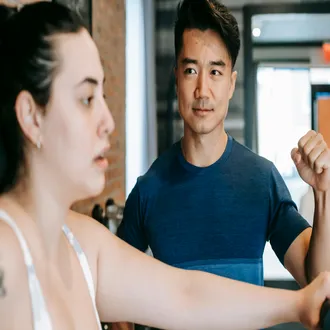
Personal trainer specializing in rehabilitation and injuries - personal trainer
When an injury limits daily life or athletic performance, the recovery process requires more than just generic exercises. My approach combines evidence-based practices, practical experience, and close communication to support the individual at every stage. It’s not just about regaining mobility, but also about rebuilding confidence, restoring function, and reducing the likelihood of the problem recurring.
A professional specializing in recovery and injury management doesn’t just design routines: they conduct a detailed assessment, identify compensations, adapt the workload to the patient’s current condition, and adjust exercises based on the patient’s response. Additionally, they incorporate strategies to manage pain, improve technique, and optimize body mechanics to ensure recovery is both effective and safe.
The first consultation typically includes a medical history, symptom analysis, mobility and strength tests, and observation of the problematic movement or pattern. This information allows us to establish priorities: relieving pain, restoring joint range of motion, regaining specific strength, or re-establishing motor patterns. Without a proper assessment, it is easy to prescribe exercises that do not address the root cause and delay recovery.
Following the assessment, a phased plan is established with short-, medium-, and long-term goals. Short-term goals typically focus on reducing symptoms and enabling the safe performance of basic activities. In the medium term, we work on strength and technique; in the long term, on prevention and returning to the desired level of performance. Each phase includes clear indicators to determine when to move forward.
I combine motor control techniques, eccentric and concentric exercises, proprioception training, neuromuscular integration, and functional progression. I also use variations in load, speed, and complexity to adapt the stimulus to the stage of rehabilitation. Exercise selection depends on the patient’s injury, age, experience, and goals.
Effective rehabilitation often requires collaboration with physical therapists, physicians, occupational therapists, or pain specialists. I maintain open communication to coordinate treatments, share progress, and adjust the plan if any medical limitations arise. This collaboration ensures a faster and safer recovery, avoiding conflicting approaches.
An initial session can last between 45 and 60 minutes and include a specific warm-up, control and strength exercises, mobility work, and recommendations for home exercises. As the individual progresses, the session increases in complexity: loads, multi-joint patterns, and exercises with greater cardiovascular or coordination demands are added, always respecting safe pain and fatigue thresholds.
Adherence and consistency are crucial. Doing the prescribed exercises, observing rest periods, and reporting any changes in symptoms allows the program to be adapted effectively. It is also important to prioritize sleep, nutrition, and lifestyle habits, as they directly influence the body’s ability to repair tissues and adapt to training.
Progress isn’t always linear: there will be good days and not-so-good days. That’s why I establish objective and subjective metrics: strength tests, range of motion, activity tolerance times, and pain or functional scales. Celebrating small victories and adjusting expectations helps maintain motivation and achieve sustainable results.
Regaining function after an injury requires more than just effort: it requires professional planning, appropriate progression, and direct communication between patient and trainer. With a person-centered and evidence-based approach, it is possible to regain confidence, improve performance, and reduce the likelihood of relapse. If you have an injury or a recurring issue, seek out a personalized plan and stick with it consistently to achieve the best results.