Dressing today’s body is an act of presence: it’s not about the size you once had, nor the one you “someday” will have, but about honoring who you are now. Through coaching, the wardrobe stops being a battlefield and becomes a tool for self-knowledge. Here you’ll find questions, strategies, and practical habits to make peace with the mirror and express yourself with style, without punishments or rigid rules.
What does it mean to accept your body when dressing?
Accepting is not resigning yourself; it’s clearly recognizing the starting point to gain freedom of choice. When you dress from acceptance, you choose garments that adapt to you, not the other way around. This reduces mental noise, speeds up decisions, and strengthens self-esteem because each choice confirms that your body deserves comfort, beauty, and respect today.
The goal is not to “hide” or “fix,” but to balance and highlight what you like about your silhouette. That simple reorientation changes the shopping experience, the time spent in front of the wardrobe, and the way you move through the world.
Coaching mindset: questions before opening the wardrobe
Coaching doesn’t dictate what to wear; it guides you to choose with intention. Before getting dressed, practice these brief questions:
- What do I need to communicate today with my clothes: approachability, authority, creativity, calm?
- How do I want to feel in my body: supported, light, confident, free?
- What part of me do I want to highlight: waist, neck, legs, shoulders, energy?
- On a scale of 1 to 10, what level of comfort do I require for this day?
- If my best friend dressed me with compassion, what would they choose for me today?
These questions create a micro-ritual that aligns your identity, your schedule, and your real body. With practice, you’ll make faster, more coherent decisions.
Gentle assessment of today’s body
Do a judgment-free check-in. Observe proportions, posture, changes in volume, sensitivity to textures or temperatures. This inventory doesn’t seek defects, but useful data to dress with body intelligence.
- Shoulders and neck: do V-necks, round, or high necklines flatter you? Do you prefer defined or soft shoulders?
- Torso and waist: do you feel better with straight cuts, slightly fitted, or wrap styles?
- Hips and legs: do you enjoy loose, straight, flared, or skinny lines?
- Height and proportions: play with lengths (cropped, midi, maxi) to balance visually.
- Textures and fabric weight: does your skin prefer soft, stretchy, or structured fibers?
Note what works for you today, even if it differs from what worked before. Your wardrobe should evolve with you.
Strength-oriented styling strategies
Instead of fighting what you don’t like, amplify what you do. Choosing from strengths takes the pressure off and amplifies your presence.
- Color as an ally: use shades that brighten your face near your face; neutrals for the base and vibrant accents in accessories.
- Focus on lines: create a “column” of color (top and pants/skirt in similar tones) to visually lengthen.
- Intentional layers: light jackets and vests add structure without squeezing; worn open, they create flattering vertical lines.
- Movement: drapey fabrics flatter without corseting and add fluidity as you walk.
- Smart textures: moderate sheen and matte satin elevate without “adding volume”; chunky knits add warmth and approachability.
Practical guide to silhouettes, proportions, and fabrics
Base silhouettes
- Straight: excellent for minimalist looks; play with accessories for visual interest.
- Softly fitted: defines without constricting, ideal for offices and meetings.
- A-line: opens from the waist or hip; provides balance when you want controlled volume.
- Wrap: adjustable crossovers and ties adapt to body fluctuations.
Flattering proportions
- 2/3 on top + 1/3 on bottom (or vice versa): half-tuck your top or wear cropped with high waist.
- Visible verticals: lapels, pronounced seams, long necklaces, and slits create length.
- Shoulder-hip balance: subtle shoulder pads, moderately puffed sleeves, or V-necks if you’re seeking harmony.
Key fabrics
- Structured (twill, gabardine): give shape and presence.
- Fluid (viscose, cupro): move with you and feel gentle.
- Stretch (knit, ponte): comfort for long days without losing polish.
Build a compassionate capsule wardrobe
A kind wardrobe is functional and sensitive to your reality. It doesn’t need to be minimal, but it does need to be coherent.
- Versatile base: 2 light jackets, 3–4 neutral tops, 2–3 comfortable pants or skirts, 1 wildcard dress.
- “Self-esteem” pieces: those that make you smile when you try them on (favorite color, perfect cut).
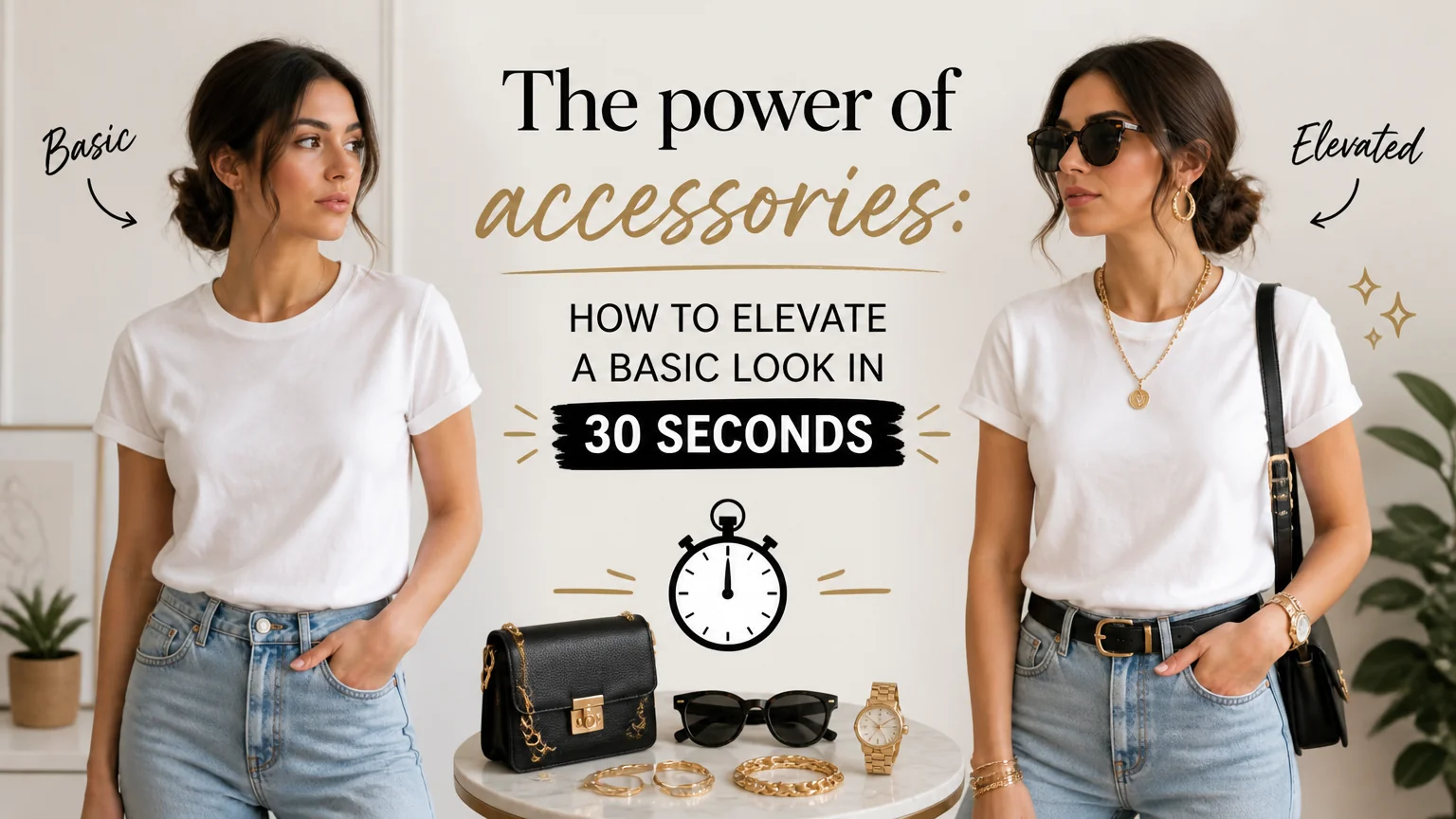
- Intentional accessories: elastic belts, comfortable yet stylish footwear, bags that free your hands.
- Close size range: small variations for weight transitions without drama.
- Low-friction rule: if it itches, pinches, or wrinkles just by looking at it, it doesn’t belong in your daily life.
This approach cuts down indecision and increases consistency in your style, even on tough days.
Emotional management in front of the mirror
Clothing triggers emotions. Recognize them and decide from a calm place. When inner criticism appears, answer yourself with an anchor:
- Neutral language: “Today my body feels X. Which garment supports it best?”
- Micro-adjustments: change a fabric, raise the waist, add a layer. Small changes, big effect.
- Movement test: if you feel free when sitting and walking, you’re on the right track.
The goal isn’t to like yourself at every moment, but to treat yourself with consistent respect.
Common mistakes and how to correct them
- Shopping for the “future”: limits real use. Fix it by creating outfits with what fits you today and setting aside a “transition” section.
- Chasing trends without a filter: ask “Does it serve my life and my body?” If not, admire it without buying.
- Uniform by inertia: if you repeat a look out of habit, introduce one variable at a time (color, texture, or proportion).
- Rigid sizes: the label doesn’t define you. Try two sizes and choose by feel and drape, not by the number.
- Ignoring footwear: a good shoe changes posture and presence; prioritize comfortable lasts and quality materials.
Shopping practices with a coaching focus
Shopping can be a gentle experiment. Plan and observe without judgment.
- Pre-list: define 3 functions (work, leisure, event) and 2 needs per function.
- Time and energy: go rested, with comfortable underwear and shoes that are easy to take off.
- Rule of 3 combinations: each garment must work with at least three pieces you already own.
- Photos and pause: take fitting-room photos and decide the next day if it still excites you.
- Somatic check: take a deep breath with the garment on. If the body releases tension, it’s a yes.
Sustainable habits to maintain progress
Results are born from repeated micro-habits. You don’t need a radical transformation, but loving consistency.
- Prepare the night before: assemble an outfit and a simple plan B.
- Edit by feel: each month, review 5 garments. If they fail on comfort or joy, give them a new life outside your wardrobe.
- Log of real looks: note combinations that worked and why.
- Conscious budget: allocate a percentage to “skin quality” (pleasant fabrics) and another to “identity” (personal touches).
Over time, you’ll be surprised at how your relationship with the mirror and with your daily schedule changes.
7-day action plan
- Day 1: Gentle body check-in and a list of desired feelings when dressing.
- Day 2: Review the wardrobe and separate what works today. Create three complete looks.
- Day 3: Experiment with a new proportion (high waist, tucked-in top, open layer).
- Day 4: Integrate a color that brightens your face. Notice how your energy changes.
- Day 5: Go shopping (or “try-on”) with the rule of 3 combinations and photos.
- Day 6: Fine adjustments: hems, belts, button changes, or comfortable insoles.
- Day 7: Evaluate the week: what made you feel most like yourself? Document your findings.
This plan is flexible. Repeat what adds value and discard what doesn’t. Your style is a process, not a test.
Final message to anchor the practice
Getting dressed is not camouflaging yourself; it’s telling the world about you with honesty. When you choose from respect for the body you inhabit today, you stop asking the mirror for permission and start walking with a confidence that doesn’t depend on size. Allow yourself to learn, change your mind, and celebrate the thousand shades of your presence. Your wardrobe can be a place of care: may each garment remind you that you deserve comfort, beauty, and your own voice, here and now.
 For Onlinecourses55
|
2026-07-04
For Onlinecourses55
|
2026-07-04