Memorability at a corporate event is not a coincidence: it is designed. It starts before you arrive, continues with a polished presence, and solidifies when you stay in touch. Good networking combines clarity of purpose, warm communication, and a style that reinforces your message. Here is a practical guide to be remembered for the right things: professionalism, value, and authenticity.
Define your objective and your value story
Before thinking about what to wear, ask yourself whom you need to meet and what you want to achieve. Setting a concrete objective helps you filter conversations and be selective with your time.
Research and prepare your map
- Review the agenda, speakers, and sponsors. Identify three key people.
- Prepare two conversation topics aligned with the event agenda.
- Be clear about what you can offer: an idea, a contact, a resource.
Your 20-second introduction
Write it in one clear sentence: who you are, what you solve, and for whom. Avoid jargon and leave room for curiosity. The aim is to open the door, not close a sale.
Dress with intention: a style that communicates
Your clothes speak before you do. They should reinforce your message: competent, approachable, and up-to-date. It is not a costume; it is visual strategy.
Decode the dress code
- Formal: understated suits, neutral colors, impeccable shoes.
- Business casual: structured pieces with relaxed touches, without sacrificing neatness.
- Creative: one standout piece combined with quality basics.
Details that elevate without distracting
- Fit: the right size conveys care and confidence.
- Textures and color: a textured piece or an accent color can be your signature.
- Footwear: cleanliness and good condition matter more than the brand.
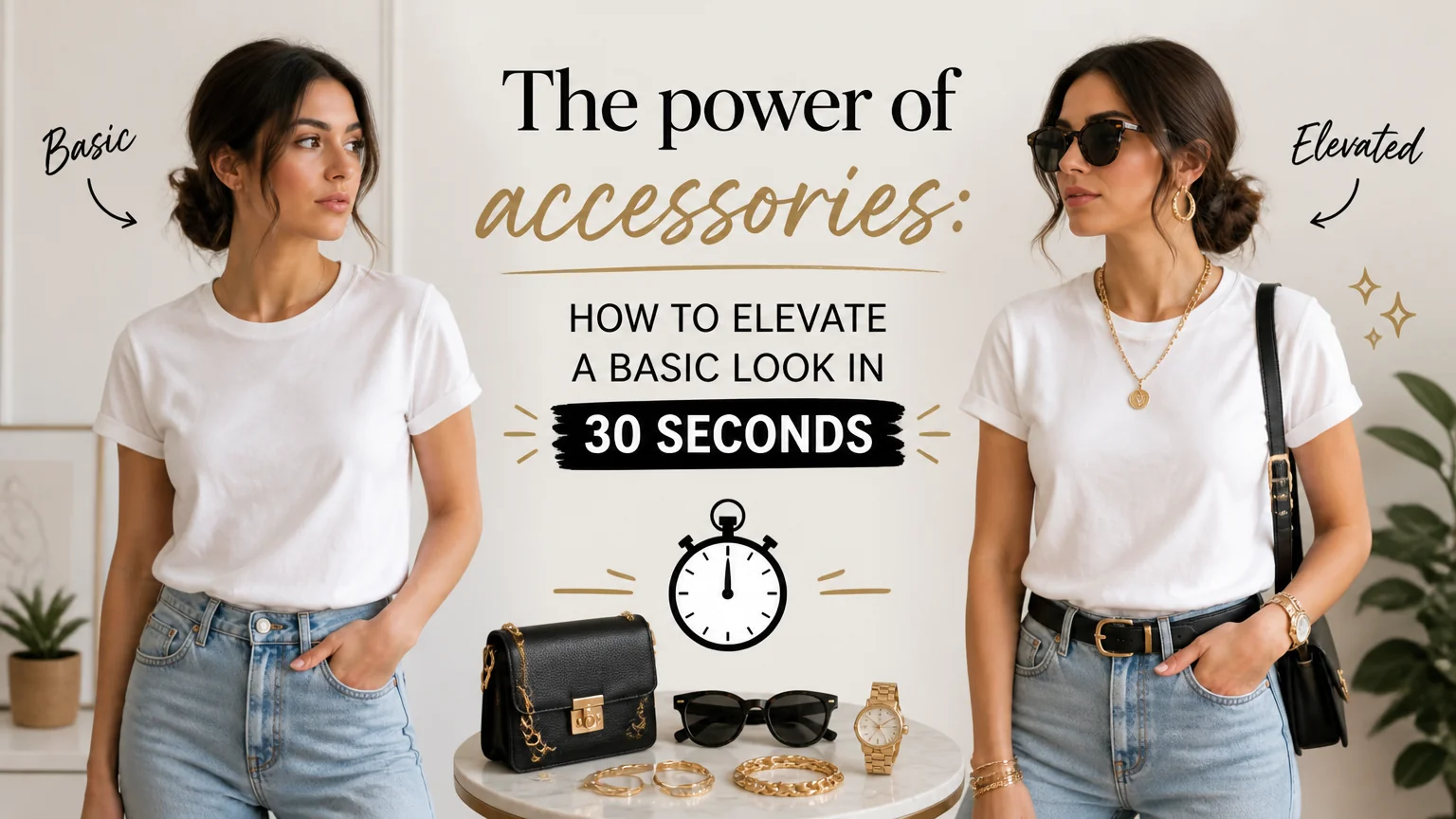
- Accessories: one distinctive and functional item (watch, pocket square, brooch, glasses with character).
- Grooming: controlled hairstyle, well-kept hands, and a subtle fragrance.
First impression: body language that opens doors
In seconds, perceptions are formed. Train signals of openness and confidence.
- Upright posture, relaxed shoulders, and a genuine smile.
- Friendly, unhurried eye contact without overstepping.
- Hands visible; avoid carrying everything in one hand so you can greet naturally.
- Adaptable greeting: firm but not aggressive; respect each person’s preferences.
Open conversations that connect
Situational icebreakers
- Shared observation: comment on something specific about the setting or the talk.
- Open question: what drew them to the event or what they hope to learn.
- Acknowledge achievements: an honest mention of their work or participation.
- Ask for an opinion: invite the other person to go deeper on a topic.
Useful microstorytelling
Have two brief stories ready: a success case and a lesson learned. 30 to 60 seconds, with context, challenge, and outcome. Avoid exaggerations; credibility is your best asset.
In-room strategy: arrive, map, and rotate
Arrive early to gain ground. Identify the gathering spots: coffee, booths, high tables. Alternate short conversations with pauses to observe and decide your next move.
- 3-2-1 goal: three new people, two concrete follow-ups, one moment of value delivered to someone else.
- Pace: 5 to 8 minutes per initial interaction is enough to leave a good impression without monopolizing.
- Avoid sticking with your known group; agree on a temporary split to explore.
Frictionless contact exchange
Make it easy and respectful. Ask permission and make the reason for connecting clear.
- Card or QR code ready; name and title legible.
- Useful phrase: I’d love to send you the article you mentioned; shall we connect on LinkedIn?
- Jot a note on the back of the card or on your phone with the anchor of the conversation.
Time management: enter and exit with elegance
Knowing how to close is as important as opening. Thank them, summarize a next step, and free the other person.
- Closing cue: It’s been a pleasure, I won’t take more of your time—shall we continue by email?
- If someone interrupts, include: We’d love for you to join—we were just talking about...
- Avoid lingering without purpose; if it doesn’t flow, change spaces naturally.
Host mindset, even as a guest
Memorable people elevate others’ experience. Introduce two people who could benefit from knowing each other and provide context for the connection.
- Active listening: 60% listening, 40% speaking.
- Include anyone standing alone in the group; demonstrate social leadership.
- Share resources: a book, a tool, a practical idea.
Common mistakes that reduce memorability
- Selling from minute one without permission or context.
- Talking only about yourself or your company without asking questions.
- Uncomfortable or noisy clothing that distracts you and others.
- Lack of follow-up or generic messages that don’t evoke the conversation.
- Excessive phone use; it creates physical and social barriers.
Follow-up that consolidates the relationship
Memorability crystallizes afterward. Send a message within 24 to 48 hours with a concrete reference to what was discussed and a small contribution.
- Brief email or message: Thanks for talking about X. Here is the link/resource. Would you be open to scheduling 15 minutes next week?
- Personalize the subject line with the anchor: Event X – idea about Y.
- If there’s no response, a friendly reminder after a week; then give space.
- Keep a record: who they are, what value they expect, next action, and date.
Essential kit for event day
- Business cards, pen, and small notebook.
- Portable charger and short cable.
- Gum or mints, wipes, and a mini stain remover.
- Needle and thread or adhesive tape for emergencies.
- A discreet reusable water bottle.
Ready-to-use micro-scripts
To start
- Hi, I’m [name]. I was intrigued by what you mentioned about [topic]. How are you applying it?
- I see you’re with [company/area]. What brought you to the event today?
To add value
- I know someone who solved something similar. If you’re interested, I can introduce you to them.
- I have a resource that could help you; I’ll send it if you share your contact.
To close
- Thanks for the conversation. Shall we continue by email and set up a short call?
- I loved your approach to [topic]. I’ll write to you tomorrow with what we discussed.
Your brand, your consistency
Being memorable isn’t about grabbing attention, but about maintaining consistency between what you say, how you say it, and how you present yourself. Prepare your objective, align your style with the message, and practice strategic courtesy: give first, ask later. With that triad, each interaction adds up and every event becomes an investment that yields real relationships and concrete opportunities.
 For Onlinecourses55
|
2026-04-20
For Onlinecourses55
|
2026-04-20



![Body type without hang-ups: tips to highlight your best features [no matter your shape]](/images/postDuplicados/onlinecourses55-body-type-without-hang-ups-tips-to-highlight-your-best-features-no-matter-your-shape.webp)