LOGIN

REGISTER
Searcher

All about personality disorders: groups a, b and c - psychology disorder personality

onlinecourses55.com

ByOnlinecourses55

2026-06-12
All about personality disorders: groups a, b and c - psychology disorder personality


All about personality disorders: groups a, b and c - psychology disorder personality

What is a personality disorder

A personality disorder is a persistent pattern of thoughts, emotions, and behaviors that deviates significantly from cultural expectations, typically begins in adolescence or early adulthood, and remains stable over time. That pattern affects how the person sees themselves and others, how they regulate their emotions and drive their decisions, and how they relate to others. It is not about "having a bad personality," but about deep-seated configurations that can cause distress or difficulties at work, in social life, and in family life.

Diagnostic classifications group these disorders into three categories (Groups A, B, and C) according to common styles. Understanding this organization helps identify shared characteristics and guide treatment. Still, each person is unique: boundaries between diagnoses can overlap, and many people show traits from more than one group.

How they are classified: Groups A, B and C

Group A: "odd or eccentric"

Group A disorders often share patterns of thinking and behaving perceived as unusual or eccentric. They frequently include difficulties trusting others, social withdrawal, and peculiar ways of interpreting reality.

  • Paranoid: pervasive distrust and suspiciousness; interpreting others' intentions as malicious; hypersensitivity to criticism; persistent grudges.
  • Schizoid: detachment from close relationships; preference for solitary activities; limited emotional range; little desire for intimacy.
  • Schizotypal: ideas of reference, unusual beliefs or perceptual experiences; odd thinking and speech; severe social anxiety that does not improve with familiarity.

Group B: "dramatic, emotional, or erratic"

This group is characterized by impulsivity, emotional intensity, and unstable interpersonal patterns often centered on seeking attention and validation. Suffering can be high, both for the individual and for their environment.

  • Antisocial: disregard for and violation of others' rights; impulsivity; deceitfulness; irresponsibility; lack of remorse. Requires a history of conduct issues before age 15.
  • Borderline: intense and unstable relationships; fear of abandonment; sudden changes in self-image; impulsivity; highly reactive affect; chronic feelings of emptiness; self-harm behaviors or suicidal ideation in some cases.
  • Histrionic: attention-seeking; shallow and rapidly shifting emotions; inappropriate seductiveness; expressive and theatrical style; need for approval.
  • Narcissistic: grandiosity; need for admiration; lack of empathy; extreme sensitivity to criticism; swings between inflated and vulnerable self-esteem.

Group C: "anxious or fearful"

Group C disorders share traits of anxiety, fear of negative evaluation, and a need for control or support from others.

  • Avoidant: social inhibition; feelings of inferiority; hypersensitivity to rejection; avoids relationships due to fear of criticism despite a desire for closeness.
  • Dependent: excessive need for care; difficulty making decisions without advice or approval; intense fear of separation; submits to avoid loss of support.
  • Obsessive-compulsive personality (not the same as OCD): perfectionism, rigidity, control; preoccupation with rules and order at the expense of flexibility; difficulty delegating.

Causes and risk factors

There is no single cause. Most models point to an interaction of genetics, neurobiology, and early experiences. Risk factors may include:

  • Inherited vulnerability to traits such as impulsivity or anxiety.
  • Unpredictable family environments, neglect, or abuse.
  • Childhood or adolescent traumas; persistent bullying.
  • Difficult or sensitive temperament combined with unresponsive caregivers.
  • Sociocultural factors: exclusion, stigma, community violence.

These factors do not determine fate: many people with similar risks do not develop a disorder. Protective factors (secure attachment, social support, emotional skills) modulate the course.

Signs and impact on daily life

More than isolated episodes, these patterns are relatively stable. Common signs include:

  • Repeated interpersonal conflicts that follow a similar "script."
  • Rigid or very unstable self-image, with intense self-criticism or fragile grandiosity.
  • Difficulty regulating emotions: outbursts, dissociation, emotional numbing.
  • Impulsivity that interferes with goals (spending, sex, substances, risky driving).
  • Avoiding opportunities due to fear of rejection or loss of control.

The impact can be seen at work (paralyzing perfectionism or conflicts), in relationships (jealousy, idealization and devaluation), friendships (isolation, distrust) and health (substance use, self-harm). Comorbidity with depression, anxiety, substance use disorders, ADHD, and eating disorders is common.

Diagnosis and assessment

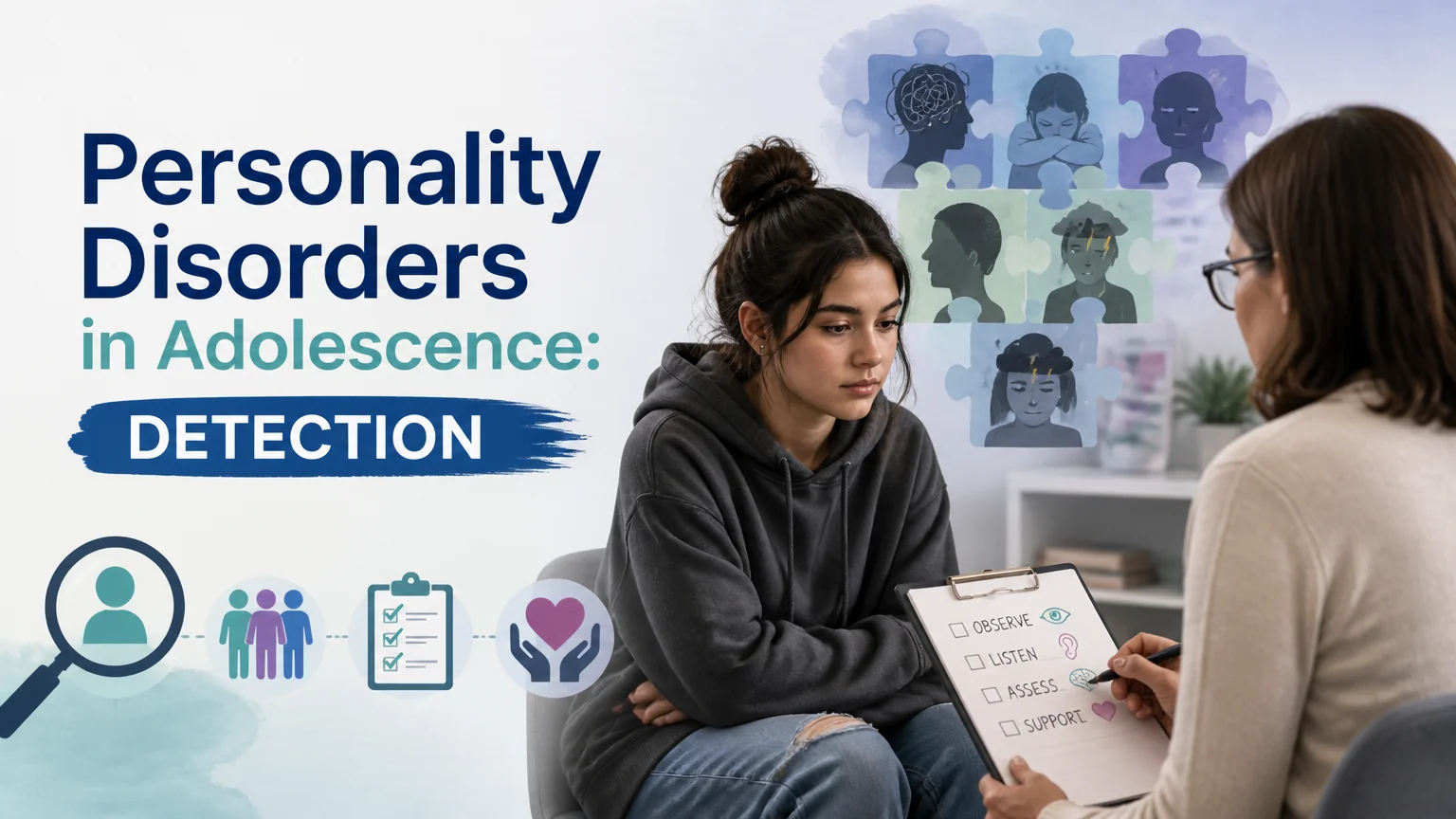
Diagnosis is made by a trained mental health professional through clinical interviews, validated questionnaires, and sometimes information from family members or previous records. Considerations include:

  • Early onset and stability of the pattern.
  • Presence of distress or functional impairment.
  • Ruling out medical causes, substance effects, or episodes of other disorders.

It is key to differentiate personality traits (common, flexible) from a disorder (rigid, persistent, and problematic). Personality disorders are also distinguished from conditions with overlapping symptoms, for example, differentiating borderline disorder from bipolar episodes or recognizing the difference between OCD and obsessive-compulsive personality disorder.

Evidence-based treatments

Main psychotherapies

Psychotherapy is the cornerstone of treatment. Different schools have developed effective approaches:

  • Dialectical Behavior Therapy (DBT): teaches skills for emotion regulation, distress tolerance, mindfulness, and interpersonal effectiveness; strong evidence for borderline personality disorder.
  • Mentalization-Based Treatment (MBT): improves the capacity to understand one's own and others' mental states, useful for unstable relationships and emotional reactivity.
  • Transference-Focused Psychotherapy (TFP) and Schema Therapy (ST): address entrenched patterns, attachment styles, and ways of viewing the self and others.
  • Cognitive Behavioral Therapy (CBT): works on core beliefs, cognitive biases, and avoidant behaviors, useful across diagnoses, especially Group C.

The therapeutic alliance, clear structure, and medium- to long-term work are often necessary. Group therapy and psychoeducational programs provide skills practice and peer support.

Medication: role and limits

There is no medication that "cures" personality disorders. Medication can help treat specific symptoms (anxiety, depression, impulsivity, irritability) or comorbid conditions. Its use should be individualized, with regular follow-up to evaluate benefits and side effects. The goal is to facilitate participation in psychotherapy and improve safety and functioning.

Complementary approaches and self-care

  • Stable routines of sleep, nutrition, and physical activity, which buffer emotional reactivity.
  • Skills training: breathing, grounding, emotion tracking, problem-solving.
  • Support network: informed friends, family, therapeutic groups.
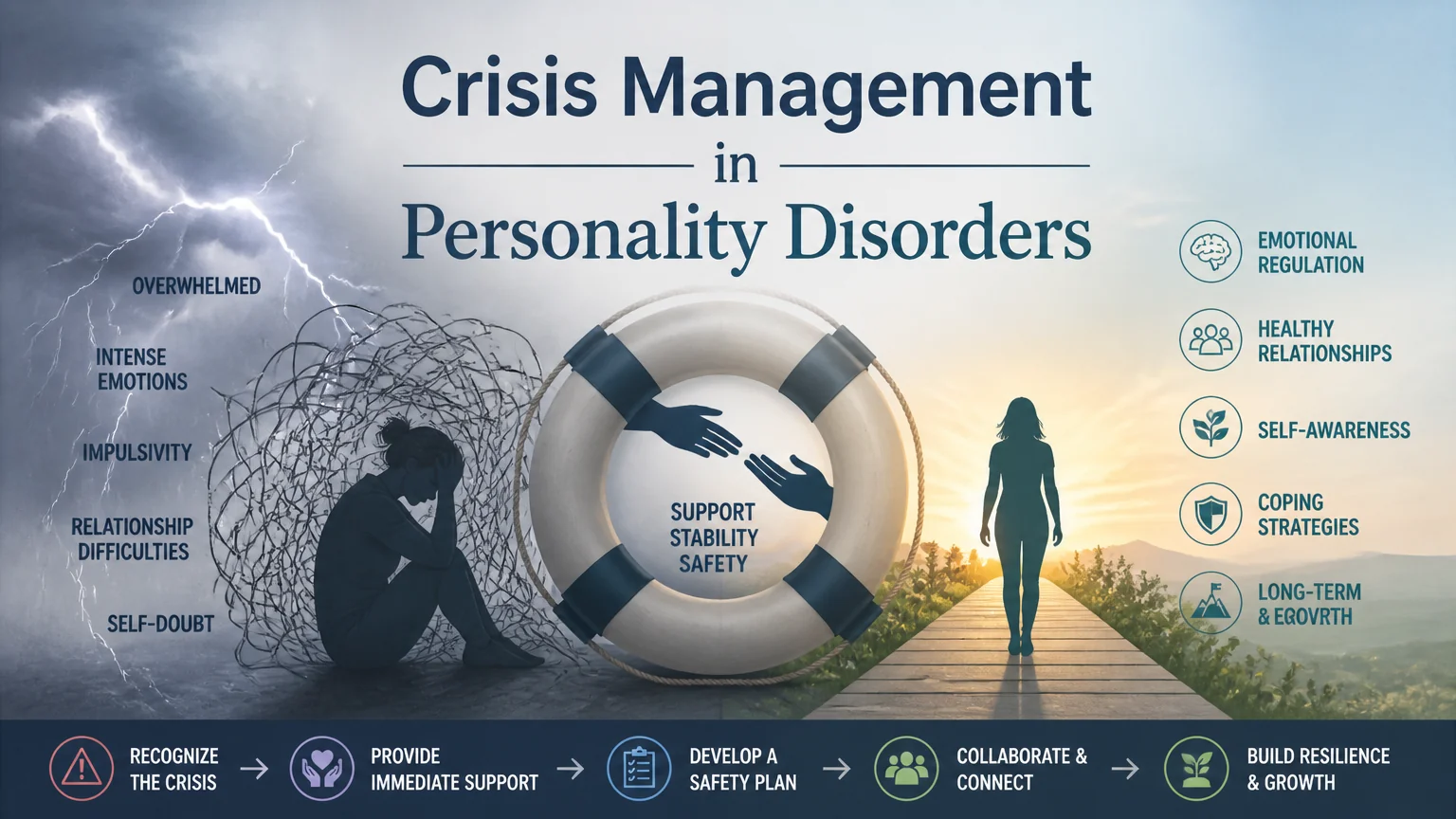
  • Crisis plan: warning signs, coping strategies, and emergency contacts.

Prognosis and recovery

Prognosis varies, but evidence shows that many people improve significantly with treatment and support. In disorders like borderline personality disorder, most reduce crises and risky behaviors over time. Progress is not linear: there are advances, setbacks, and learning. Measuring change in terms of functionality, more stable relationships, and greater flexibility is more useful than focusing solely on diagnostic labels.

Myths and realities

  • Myth: "Personality doesn't change." Reality: personality is relatively stable but malleable; skills are learned and patterns become more flexible.
  • Myth: "They are manipulative or bad people." Reality: behind the behavior there is often suffering, trauma, and maladaptive strategies; with understanding and clear boundaries, relationships can improve.
  • Myth: "There is no treatment." Reality: there are therapies with solid evidence; access and adherence are key.
  • Myth: "It's all the family's fault." Reality: origins are multifactorial; blaming oversimplifies and hinders solutions.

When and how to seek help

If you feel certain patterns repeat and cause problems in different areas of your life, or if family and friends express persistent concerns, it may be a good time to consult. A first step is a psychological or psychiatric assessment to clarify what is happening and define a plan.

  • Write down concrete examples of problematic situations and how you reacted.
  • Identify change goals (e.g., manage impulses, care for relationships, reduce anxiety).
  • Ask about structured treatments with evidence for your profile.

If you have self-harm thoughts or immediate risk, seek emergency help. Asking for support does not define you: it is an act of self-care that begins a process of change. With information, accompaniment, and appropriate strategies, it is possible to build a more stable, meaningful life aligned with your values.

Become an expert in Psychology disorder personality!

Specialize in the diagnosis and intervention of personality disorder pathologies. - Composed of 16 topics and 32 hours of online study – for 12$

EXPLORE THE COURSE NOW

Recent Posts

Search