For Onlinecourses55
|
2026-05-24
For Onlinecourses55
|
2026-05-24

Emotional marketing: how to connect with the customer's limbic system - psychology marketing
To navigate consumer behavior, understanding the emotional triggers is essential; dive deeper into this topic by exploring a course on effective emotional marketing techniques that aligns campaigns with your audience's needs.
Before thinking about campaigns, it's worth understanding what happens in the customer's mind when they decide. A large part of our everyday choices occur quickly and automatically.
The limbic system, with structures responsible for processing emotions, memory and reward, acts as a filter that determines what matters to us and what we ignore. If a message doesn't trigger some relevant emotional signal, it will hardly move on to more rational processing.
This doesn't mean "manipulating", but recognizing that emotion guides attention and memory. An emotionally significant stimulus is remembered better and, in purchase contexts, reduces mental friction: we feel that it "fits" with what we want or need. The challenge is to align the proposition with the audience's authentic emotions.
The emotional brain prioritizes what affects it now. Clear, concrete and situational messages ("for first-time parents", "for remote teams", "for someone running their first marathon") increase relevance and reduce cognitive effort.
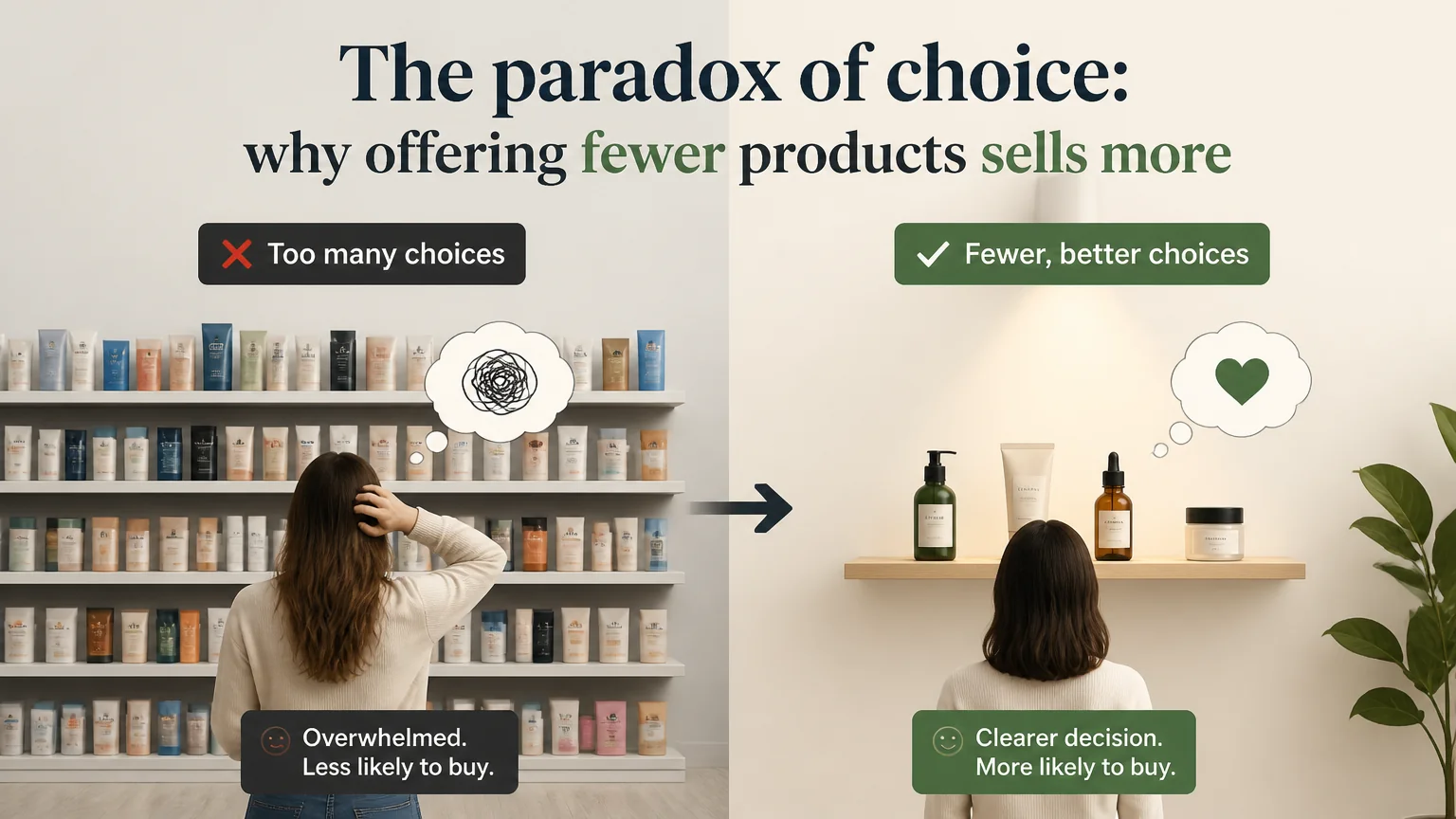
The simpler a message is, the easier it is to label it emotionally. Short sentences, one idea per paragraph and benefits expressed in everyday language help the value to "be felt" without the need for long explanations.
We are attracted to the familiar because it provides security, and to novelty because it sparks curiosity. Combining recognizable elements with a fresh twist keeps attention without creating rejection.
Emotional associations are reinforced by consistency. Tone, colors, promises and experiences should align across all touchpoints to consolidate a stable affective imprint.
Define what the person sees, hears, thinks and feels; what they are trying to achieve and what holds them back. Translate it into concrete emotional tensions that your proposal resolves clearly.
Character with a goal, an obstacle that hurts, a guide who offers a tool, visible transformation. Showing the "before and after" creates an emotional line that the limbic system follows easily.
More than cold figures, testimonials that describe the feeling of relief, pride or calmness after using the product. Everyday micro-stories are memorable.
Words that invoke sensations ("light", "warm", "fluid") and metaphors that fit the customer's world ("autopilot for your accounting") accelerate affective understanding.
Color suggests emotional climates: calm, energy, exclusivity. Maintain color consistency and a clean visual hierarchy to avoid emotional noise.
In video or audio, tempo and musicality modulate the affective response. Pauses, silences and crescendos reinforce key messages.
Small animations, success messages and well-designed empty states convey care and competence, reducing anxiety in critical processes.
Emotion is confirmed or broken in the real experience. Mapping the customer journey allows designing "moments of truth" that sustain the initial promise.
The emotional tone must survive the jump between ad, website, physical store, app and after-sales. Inconsistencies undermine affective trust.
Using emotion does not justify exploiting irrational fears or sensitive vulnerabilities. Verifiable promises, clear policies and exit options strengthen lasting relationships. Trust is an emotional asset that is difficult to recover.
Combine quantitative and qualitative data. What is not measured is romanticized; what is measured poorly is distorted.
Truly connecting means listening, precisely choosing the right triggers and upholding the promise in every interaction. Emotion opens the door, experience keeps it open and trust turns that visit into a relationship.
Search
Popular searches