For Onlinecourses55
|
2026-01-16
For Onlinecourses55
|
2026-01-16

Course on quality of life for active seniors - quality life
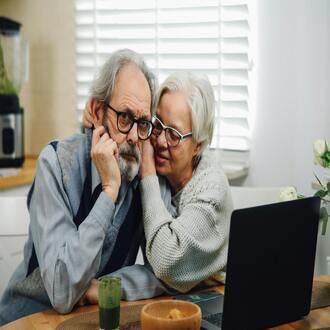
Old age can be a period of personal growth, learning, and new experiences. Participating in a course focused on improving life for active seniors can optimize their experience during this stage. Explore a program that provides strategies to enhance physical, mental, and emotional well-being as you embark on this journey.
Old age is a stage of life often associated with rest and tranquility, but it can also be a period of personal growth, learning, and new experiences. Staying active, both physically and mentally, is crucial to enjoying a high quality of life during these years. A quality of life course for active seniors can be the perfect tool to achieve this. But what is it exactly about? What benefits does it offer? And how do you choose the right course for you?
A quality of life course for active seniors is a program designed to provide tools, knowledge, and strategies to help them improve their physical, mental, emotional, and social well-being. These courses do not focus on slowing down aging, but on optimizing the aging experience, empowering participants to live a full and satisfying life.
Unlike traditional retirement programs, which often focus on financial and legal aspects, quality of life courses take a holistic approach, addressing all aspects of well-being. This can include topics such as:
Physical health: Exercise, nutrition, disease prevention.
Mental health: Stress management, relaxation techniques, mindfulness.
Emotional well-being: Self-esteem, resilience, emotional intelligence.
Social connections: Community participation, volunteering, relationship development.
Personal development: Continuous learning, creativity, exploration of new interests.
As we age, it is natural to experience physical, cognitive, and social changes. However, these changes do not have to diminish our quality of life. In fact, with the right approach and tools, we can face these challenges and continue to enjoy a rich and meaningful life.
Quality of life courses offer a series of key benefits:
They promote physical activity: They help seniors stay active, which improves their cardiovascular health, muscle strength, balance, and flexibility.
They stimulate the mind: They promote continuous learning and participation in mentally challenging activities, which helps maintain mental acuity and prevent cognitive decline.
They improve emotional well-being: They provide tools to manage stress, build resilience, and strengthen self-esteem, leading to greater happiness and life satisfaction.
They strengthen social connections: They offer opportunities to meet new people, participate in group activities, and form meaningful relationships, which combats isolation and loneliness.
They promote personal development: They encourage seniors to explore new interests, develop their talents, and pursue their passions, which helps them feel fulfilled and have a purpose in life.
In summary, quality of life courses empower seniors to take control of their well-being and create a life that is meaningful, satisfying, and full of joy.
Beyond the general benefits we have mentioned, participating in a quality of life course can have tangible effects on a senior’‘s daily life. Here are some examples:
Greater independence: By improving physical and mental health, participants can remain independent longer and reduce their need for assistance.
Lower risk of chronic diseases: Physical activity and a healthy diet can help prevent or manage diseases such as diabetes, hypertension, and heart disease.
Better sleep quality: Stress management and the practice of relaxation techniques can improve sleep quality.
Reduced risk of falls: Balance and muscle strength training can reduce the risk of falls, one of the main causes of injury in seniors.
Longer life expectancy: Studies have shown that seniors who stay active and socially connected tend to live longer.
Sense of purpose and belonging: Participation in meaningful activities and connecting with others can provide a sense of purpose and belonging, which is essential for emotional well-being.
The variety of topics covered in a quality of life course for active seniors is wide and depends on the specific focus of the program. However, some common topics include:
Nutrition for seniors: Learning about the specific nutritional needs of seniors and how to maintain a healthy and balanced diet. This includes knowing the most beneficial foods, how to adapt recipes to individual needs, and how to avoid nutritional deficiencies.
Adapted physical exercise: Participating in physical activities designed for seniors, such as walking, yoga, tai chi, or strength exercises. It is important that the exercise is adapted to each person’‘s abilities and is performed under the supervision of a qualified professional.
Stress management and relaxation techniques: Learning techniques to manage stress, such as deep breathing, meditation, or mindfulness. These techniques can help reduce anxiety, improve mood, and promote relaxation.
Cognitive stimulation and memory: Participating in brain games, puzzles, memory exercises, and other activities that stimulate the mind. This helps maintain mental acuity and prevent cognitive decline.
Emotional intelligence and self-esteem: Developing skills to understand and manage emotions, improve self-esteem, and strengthen interpersonal relationships. This involves learning to identify emotions, express them in a healthy way, and build positive relationships.
Creativity and artistic expression: Exploring different forms of artistic expression, such as painting, music, writing, or dance. This can help unleash creativity, improve mood, and provide a sense of accomplishment.
Community participation and volunteering: Discovering opportunities to participate in the community and contribute one’‘s time and skills. Volunteering can provide a sense of purpose and social connection.
Financial and legal planning: Obtaining information on financial and legal topics relevant to seniors, such as retirement planning, asset management, and writing wills. This helps ensure financial security and peace of mind.
New technologies and digital skills: Learning to use computers, smartphones, the internet, and other technologies to stay connected, informed, and entertained. This reduces the digital divide and allows seniors to access a wealth of information and resources.
Philosophy and meaning of life: Reflecting on the meaning of life, personal values, and priorities. This can help find purpose and live a fuller, more meaningful life.
With the growing popularity of quality of life courses for active seniors, it can be difficult to choose the right program. Here are some factors to consider:
Your interests and needs: What topics interest you most? What areas of your life would you like to improve? Look for a course that fits your specific interests and needs.
The provider’‘s reputation: Research the course provider’‘s reputation. Do they have experience teaching courses for seniors? Do they have good references?
The course format: Do you prefer an in-person or online course? A short-term course or a more extensive program? Choose a format that suits your learning style and schedule.
The course price: Compare the prices of different courses and choose one that fits your budget. Keep in mind that some courses may offer scholarships or discounts for seniors.
The course location: If you prefer an in-person course, make sure the location is accessible and convenient for you.
The course content: Carefully examine the course content to ensure it covers the topics that interest you.
The course instructor: Research the course instructor’‘s experience and qualifications. Do they have experience working with seniors? Do they have a good reputation?
The opinions of other participants: Read reviews from other participants to get an idea of the course’‘s quality.
The possibility of trying the course: Some providers offer the opportunity to try the course before you enroll. This allows you to see if the course is right for you.
The answer to this question depends on your personal preferences and needs. Both formats have their advantages and disadvantages:
Online Courses:
Advantages: Greater flexibility, access from anywhere, lower cost (in some cases), wider variety of options.
Disadvantages: Requires digital skills, can be more difficult to interact with other participants, requires self-discipline.
In-Person Courses:
Advantages: Greater social interaction, more structured learning environment, access to resources and equipment, personal support from the instructor.
Disadvantages: More rigid schedules, requires travel, can be more expensive, more limited options.
Carefully consider your preferences and needs before deciding on one format or the other. If you are a person who enjoys social interaction and prefers a structured learning environment, an in-person course may be the best option. If you are a person who values flexibility and convenience, an online course may be more suitable.
In addition to quality of life courses, there are many other resources that can help you improve your well-being in old age. Some examples include:
Community organizations: Many community organizations offer programs and services for seniors, such as exercise classes, support groups, and social activities.
Senior centers: Senior centers are places where older adults can meet, socialize, participate in activities, and access resources and services.
Volunteer programs: Volunteering is an excellent way to stay active, meet new people, and contribute to the community.
Books and articles: There are many books and articles available on topics related to health, well-being, and aging.
Websites and apps: There are many websites and apps that offer information, resources, and tools to improve your quality of life.
Health professionals: Consult with your doctor, a dietitian, a physical therapist, or other health professionals for personalized advice and guidance.
It is important to challenge some common myths about active seniors. One of them is the idea that ‘‘it’‘s too late’‘ to learn new things or start new activities. It’‘s never too late! The ability to learn and grow persists throughout life. Another myth is that physical activity is only for young and fit people. Physical activity can and should be adapted to individual abilities, and there are many ways to stay active at any age.
Active old age is an opportunity to enjoy life to the fullest. A quality of life course can be a valuable investment in your physical, mental, emotional, and social well-being. By acquiring tools, knowledge, and connections, you can take control of your aging and create a life that is meaningful, satisfying, and full of joy. Don’‘t wait any longer, explore the available options and start building the old age you’‘ve always dreamed of today. You deserve it!
Search
Popular searches