For Onlinecourses55
|
2025-12-12
For Onlinecourses55
|
2025-12-12

Intensive course on quality of life for seniors - quality life
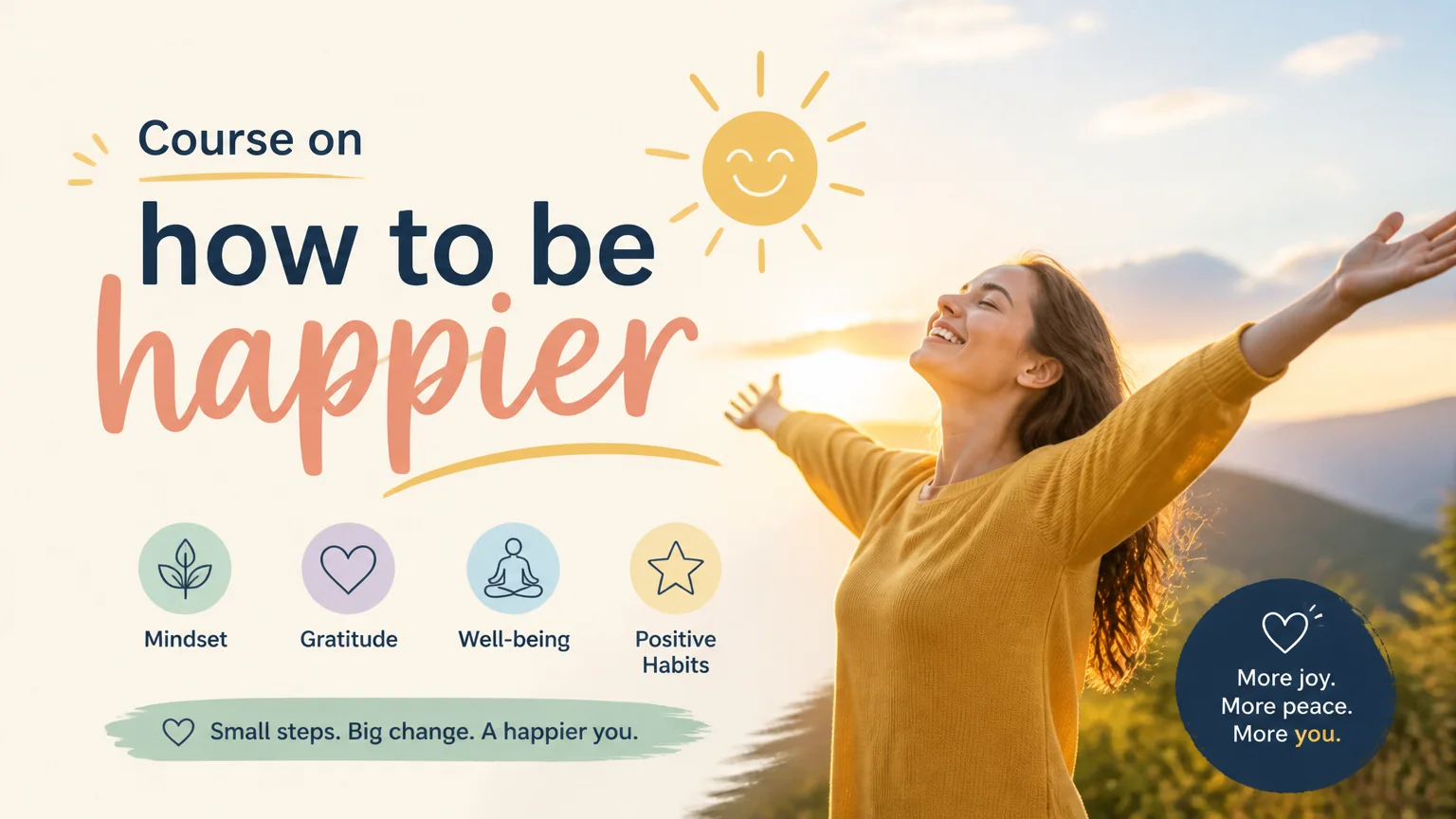
Reaching old age is an achievement that deserves to be celebrated. To redefine this stage of life with joy and energy, an intensive course on improving life quality for seniors may provide the valuable guidance you need.
Reaching old age is an achievement that deserves to be celebrated. However, it is often associated with physical decline, loneliness, and a loss of purpose. But it doesn’‘t have to be this way! An intensive quality of life course for seniors is a powerful tool to redefine this stage and live it with fullness, energy, and joy.
Quality of life is not measured simply by the absence of disease. It is a state of physical, mental, emotional, and social well-being. An intensive course is designed to address all these aspects, providing practical tools and key knowledge to:
Increase vitality and energy: You will learn to optimize your diet, exercise, and rest to feel stronger and more active.
Improve mood: You will discover techniques to manage stress, cultivate gratitude, and maintain a positive attitude.
Strengthen relationships: You will learn to communicate effectively, build meaningful connections, and combat loneliness.
Find a new purpose: You will explore your passions, talents, and values to define goals that motivate you and give you a sense of direction.
An intensive quality of life course usually focuses on the following pillars:
Physical Health: Includes topics such as nutrition for seniors, low-impact exercises, fall prevention, chronic pain management, and care for common diseases.
Mental and Emotional Health: Explores relaxation techniques, mindfulness, cognitive-behavioral therapy, anxiety and depression management, and strategies to strengthen self-esteem.
Social Connection: Promotes group activities, communication workshops, strategies for making new friends and maintaining meaningful relationships, and addresses the issue of unwanted loneliness.
Purpose and Meaning: Explores personal values, encourages participation in volunteer activities, promotes continuous learning, and helps participants find new passions and hobbies.
Personal Finances: A good course should also touch on the importance of financial planning in retirement, including budgeting, investments, and planning for the future.
Participants in an intensive quality of life course usually experience:
Greater independence and autonomy: By acquiring tools to care for their health and well-being, they feel more capable of leading an active and full life.
Better physical and mental health: Changes in diet, exercise, and stress management techniques translate into better overall health.
Reduction of loneliness and isolation: By participating in group activities and building new relationships, they feel more connected and supported.
Greater sense of purpose and meaning: By finding new passions and goals, they feel more motivated and fulfilled.
Increased self-esteem and confidence: By seeing the positive results of their efforts, they feel more self-assured and confident in their ability to face challenges.
Not all courses are the same. To ensure you get the maximum benefit, look for a course that:
Is taught by qualified professionals: Look for instructors with experience in geriatrics, psychology, nutrition, physiotherapy, and other relevant areas.
Is comprehensive: It should address all pillars of quality of life, not just one or two.
Is practical: It should offer tools and techniques that you can apply in your daily life.
Is interactive: It should encourage active participation and the exchange of experiences among participants.
Is accessible: It should be available in a format that suits your needs (in-person, online, etc.) and at a reasonable price.
Even before enrolling in a course, you can start improving your quality of life with these simple exercises:
Gratitude Journal: Every night, write down three things you are grateful for.
Daily Walk: Go for a 30-minute walk every day.
Call a Friend: Call a friend or family member you haven’‘t spoken to in a long time.
Guided Meditation: Dedicate 10 minutes a day to meditating.
Learn Something New: Read a book, take an online course, or learn a new skill.
Proper nutrition is crucial for maintaining energy, preventing diseases, and strengthening the immune system. An intensive course will teach you to:
Adapt your diet to your specific needs: Consider factors such as your age, activity level, and medical conditions.
Consume nutrient-rich foods: Prioritize fruits, vegetables, lean proteins, whole grains, and healthy fats.
Avoid processed and sugary foods: Limit the consumption of foods that do not provide nutrients and can be harmful to your health.
Stay hydrated: Drink enough water throughout the day.
Regular exercise not only helps you stay in shape, but it also improves your mood, strengthens your bones and muscles, and reduces the risk of chronic diseases. An intensive course will guide you in choosing safe and effective physical activities, such as:
Walks: A simple and accessible activity for most people.
Swimming: A low-impact exercise that is gentle on the joints.
Yoga or Tai Chi: They help improve flexibility, balance, and strength.
Strength training: Use weights or resistance bands to strengthen your muscles.
Stress and anxiety can have a negative impact on your physical and mental health. An intensive course will provide you with tools to:
Identify triggers: Learn to recognize the situations that cause you stress and anxiety.
Practice relaxation techniques: Deep breathing, meditation, and yoga can help you calm your mind and body.
Set boundaries: Learn to say "no" to demands that overwhelm you.
Seek social support: Talk to friends, family, or a therapist about your concerns.
Loneliness can be a serious problem in old age. An intensive course will help you to:
Join groups and activities: Look for clubs, organizations, or interest groups in your community.
Volunteer: Offer your time and talent to a cause you are passionate about.
Connect with your loved ones: Call your friends and family regularly.
Learn to use technology: Technology can help you stay connected with the world.
Solid financial planning is essential to enjoy a peaceful and worry-free retirement. An intensive course will help you to:
Create a budget: Identify your income and expenses to ensure you are living within your means.
Manage your debts: Look for ways to reduce your debts and avoid taking on new ones.
Plan for unexpected expenses: Create an emergency fund to cover unforeseen events.
Seek financial advice: Consult with a professional to get personalized help.
An intensive quality of life course for seniors is an investment in your well-being and happiness. No matter your age or current situation, there is always something you can do to improve your quality of life. Take control of your future and live the life you deserve!