For Onlinecourses55
|
2026-03-10
For Onlinecourses55
|
2026-03-10

How to manage jealousy without destroying the relationship - relationship improvement couples
Navigate jealousy with empathy by applying thoughtful strategies that help you manage emotions and restore trust in your relationship.
Jealousy is a common emotion and, in small doses, even understandable. However, when fueled or expressed in a harmful way, it can jeopardize a couple's trust, coexistence and stability. Here you will find a practical and humane approach to recognizing what is happening, acting on your reactions and communicating them in a way that does not destroy the bond.
Not all jealousy is born out of the same thing. Sometimes it's a response to a real threat in the relationship; other times it stems from personal insecurities, past experiences or unresolved fears. Identifying whether it stems from an objective reality (e.g., repeated dishonest behavior) or a disproportionate internal feeling is the first step in managing it without causing harm.
Moreover, jealousy has a function: it alerts us to something that is bothering us. The problem is not feeling it, but letting it rule us. Learning to distinguish between the feeling (it is inevitable) and the action (it is eligible) allows us to respond responsibly instead of reacting impulsively.
Early signs are usually a mixture of anxiety, anger, shame and sadness. You may feel constantly on guard, compare yourself to other people, or imagine negative scenarios without evidence. These emotions, if repeated, indicate that jealousy is taking up a lot of space in your emotional life.
In behavior, message checking, insistent questions, schedule control, and distancing or punishing behaviors appear. They may also manifest as frequent criticism, sarcasm, or constant calls seeking verification. If these patterns become habitual, they are eroding trust and intimacy.
Pause to ask yourself: what am I afraid of losing? Does that insecurity stem from past experiences or current reality? Write down your thoughts, explore when they were most intense and what triggers them. Identifying patterns will allow you to see jealousy as a helpful signal, not a command to follow.
When you feel the surge of jealousy, practice simple techniques such as taking deep breaths, counting to ten, or taking a few minutes away to collect your thoughts. Avoid making decisions or saying important things in moments of high emotional charge. Temporary distance often allows for a more constructive response.
Choose a time when both of you are calm. Open the subject with first-person statements: "I feel insecure when..." or "I'm worried about something and want to talk to you about it". Avoid accusations and generalizations. The goal is to share your inner experience and ask for collaboration, not to point blame.
Use a calm and concrete tone. Expose specific behaviors that affect you and propose practical solutions: more transparency on certain topics, agreements on the use of networks or times to talk. It is also healthy for both of you to define boundaries that respect individual autonomy without sacrificing emotional safety.
Emotional journaling: write down when jealousy arises, what happened before and how you reacted. This helps identify triggers and measure progress.
Written agreements: establishing clear, mutually accepted rules about boundaries, social networks and dealing with ex-partners can reduce misunderstandings.
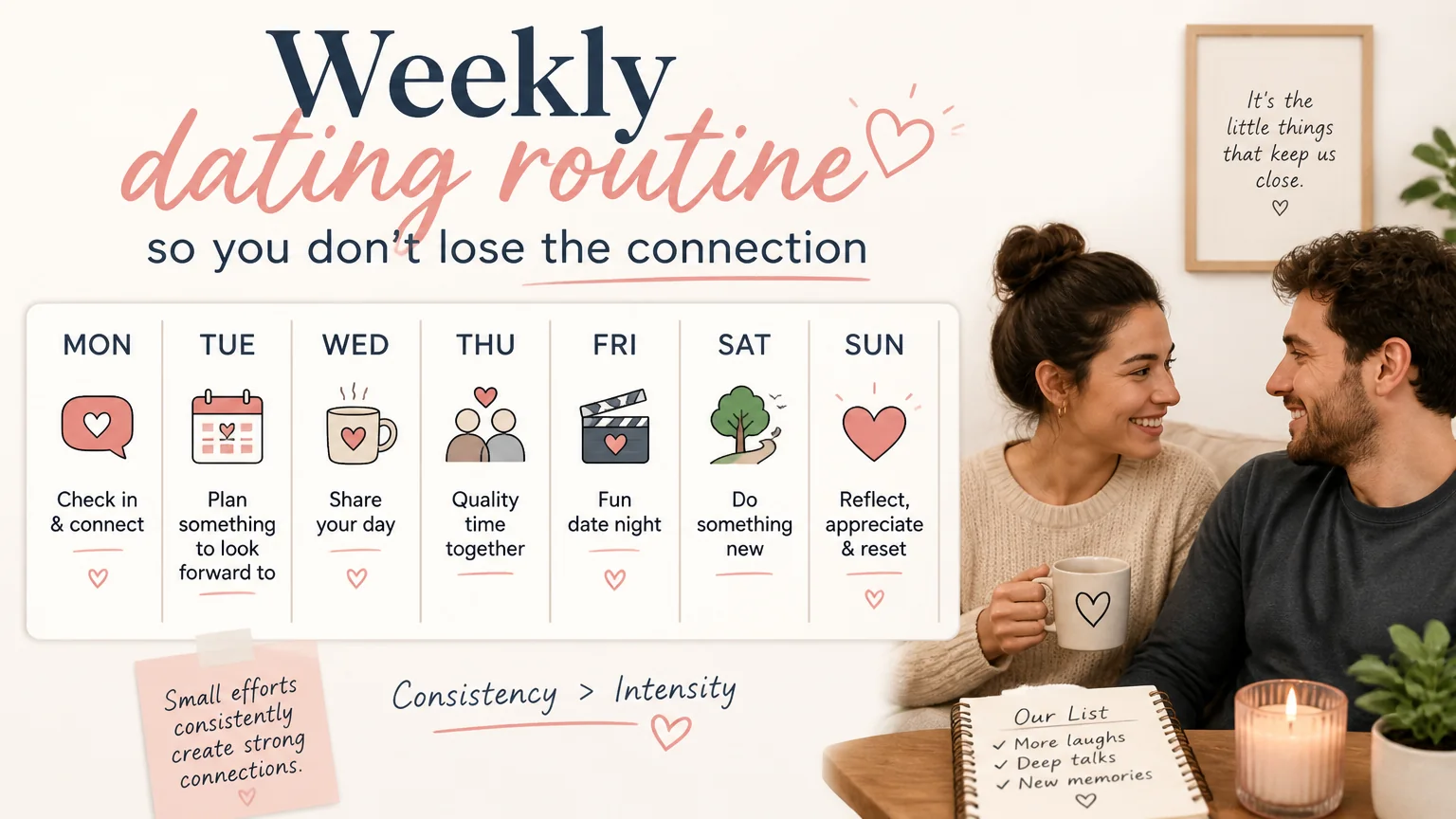
Intentional bonding time: devote quality time without distractions to strengthen bonding and emotional security.
Relaxation techniques: meditation, diaphragmatic breathing or regular physical exercise decrease emotional reactivity.
Reality check: before reacting, check if there is objective evidence or if you are assuming intentions. Talking to a partner out of curiosity avoids accusations.
Self-esteem reinforcement: working on personal goals and taking care of one's own interests reduces emotional dependence and, therefore, the intensity of jealousy.
Acting on impulses, such as checking the other person's phone or spying on their networks, tends to generate more distrust and resentment. Another mistake is to minimize your emotions until they explode in the form of attacks or cold retreats. Avoiding difficult conversations in order to "not provoke" only accumulates discomfort and turns small problems into major crises.
It also doesn't help to constantly ask for assurances that the other person can't sustainably provide; that can transform a legitimate need into an invasive demand. The key is to balance the expression of one's own vulnerability with respect for the autonomy of the other.
If jealousy generates controlling behaviors, isolation, aggression or repeated episodes that damage the relationship, it is time to ask for support. An individual therapist can help you explore personal roots, while couples therapy provides a safe space to negotiate boundaries and regain trust. Seeking help is not a sign of failure, but of responsibility to yourself and the relationship.
Managing jealousy without destroying the relationship requires inner honesty, deliberate communication and concrete practices. With self-knowledge, clear agreements and, if necessary, professional support, it is possible to transform an uncomfortable emotion into an opportunity to grow as an individual and as a couple.
Search
Popular searches