For Onlinecourses55
|
2025-12-04
For Onlinecourses55
|
2025-12-04

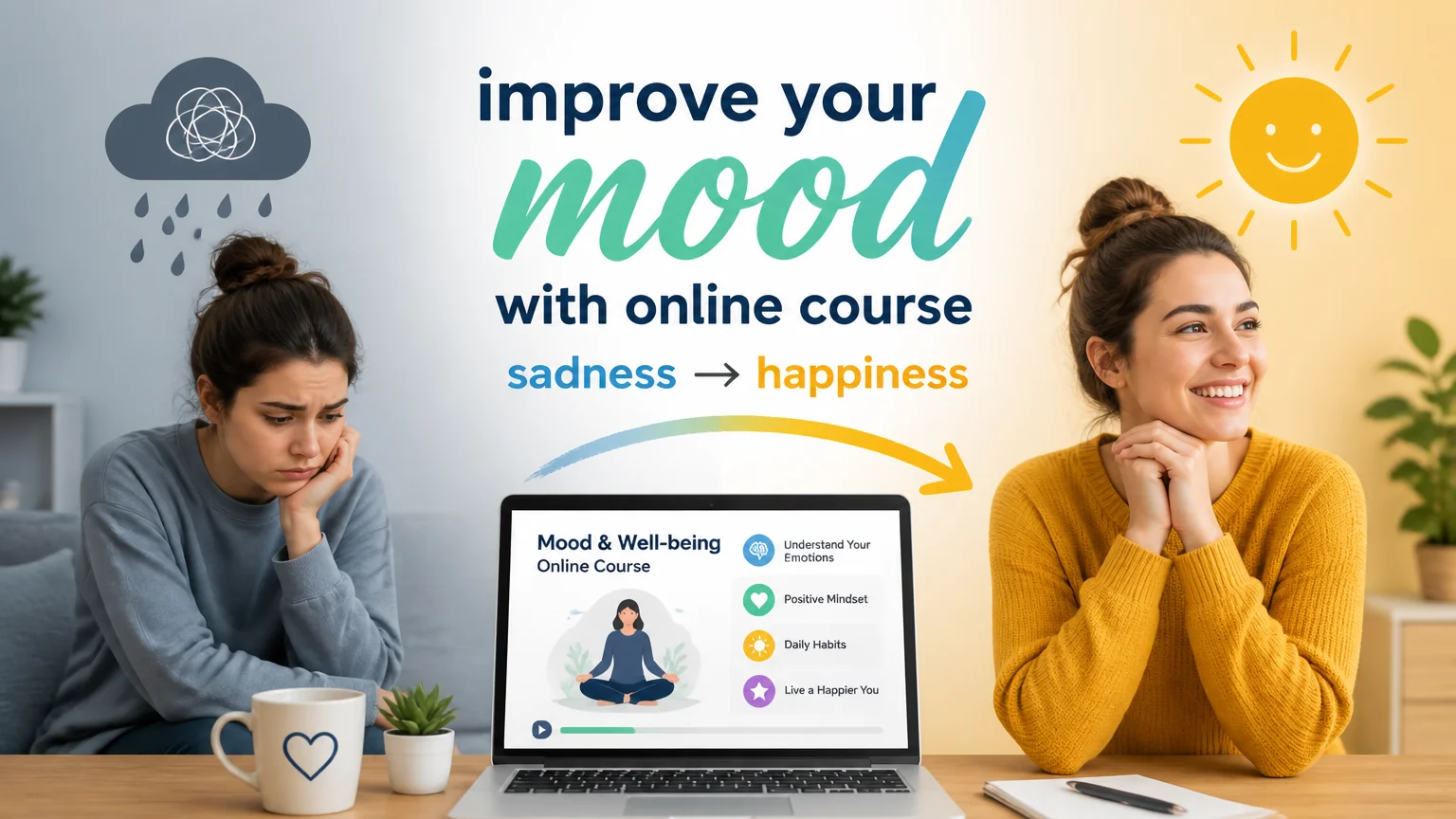
Course on overcoming sadness and depression - sadness happiness
Are you ready to break free from the gray clouds of sadness? Join an engaging step-by-step program that helps you overcome emotional challenges and rediscover joy.
Do you feel trapped in a gray cloud, unable to find joy in the things that used to make you happy? Has sadness become a constant companion in your life? If so, this article is for you. You are not alone, and there are paths to recovering your joy and well-being. This "course," or rather, this step-by-step guide, will provide you with the necessary tools and knowledge to understand and overcome sadness and depression.
It is crucial to understand the difference between sadness and depression. Often, these terms are used interchangeably, but they are different conditions that require different approaches. Imagine sadness as a rainy day, while depression is like a long winter season.
Sadness is a fundamental human emotion that we experience in response to painful situations, losses, or disappointments. It is a natural reaction to difficult life events, such as the loss of a loved one, a failure at work, or a breakup. Sadness is temporary and, over time, it diminishes. It allows us to process emotions and adapt to new realities. We all feel sad from time to time, and that's okay! It's part of being human.
Depression, on the other hand, is a persistent and debilitating mood disorder that goes beyond occasional sadness. It is a low mood that lasts for weeks, months, or even years. It is characterized by deep sadness, loss of interest in pleasurable activities, fatigue, difficulty concentrating, changes in appetite and sleep, and, in some cases, thoughts of death or suicide. Depression is not a "simple sadness" that can be overcome with "a little encouragement." It is a medical condition that requires professional treatment. If you think you might be depressed, seek help! Don't be ashamed, it's like any other illness.
Sadness and depression can be caused by a variety of factors, which often interact with each other. It's like a cooking recipe: not just one ingredient makes the cake, but the combination of several.
Our brain produces chemical substances, such as serotonin, dopamine, and norepinephrine, which play a fundamental role in regulating mood. Imbalances in these substances can contribute to sadness and depression. Genetics can also influence the predisposition to develop these disorders. Some people are simply more vulnerable than others.
Our thoughts and beliefs about ourselves, the world, and the future can have a great impact on our mood. Negative thought patterns, such as self-criticism, pessimism, and rumination (dwelling on the same negative thoughts), can fuel sadness and depression. It's like wearing dark glasses: everything looks gloomier.
Interpersonal relationships, social support, and life experiences can significantly influence our emotional well-being. Social isolation, loneliness, work stress, financial problems, and traumatic events can trigger or exacerbate sadness and depression. We are social beings, and we need connection to thrive.
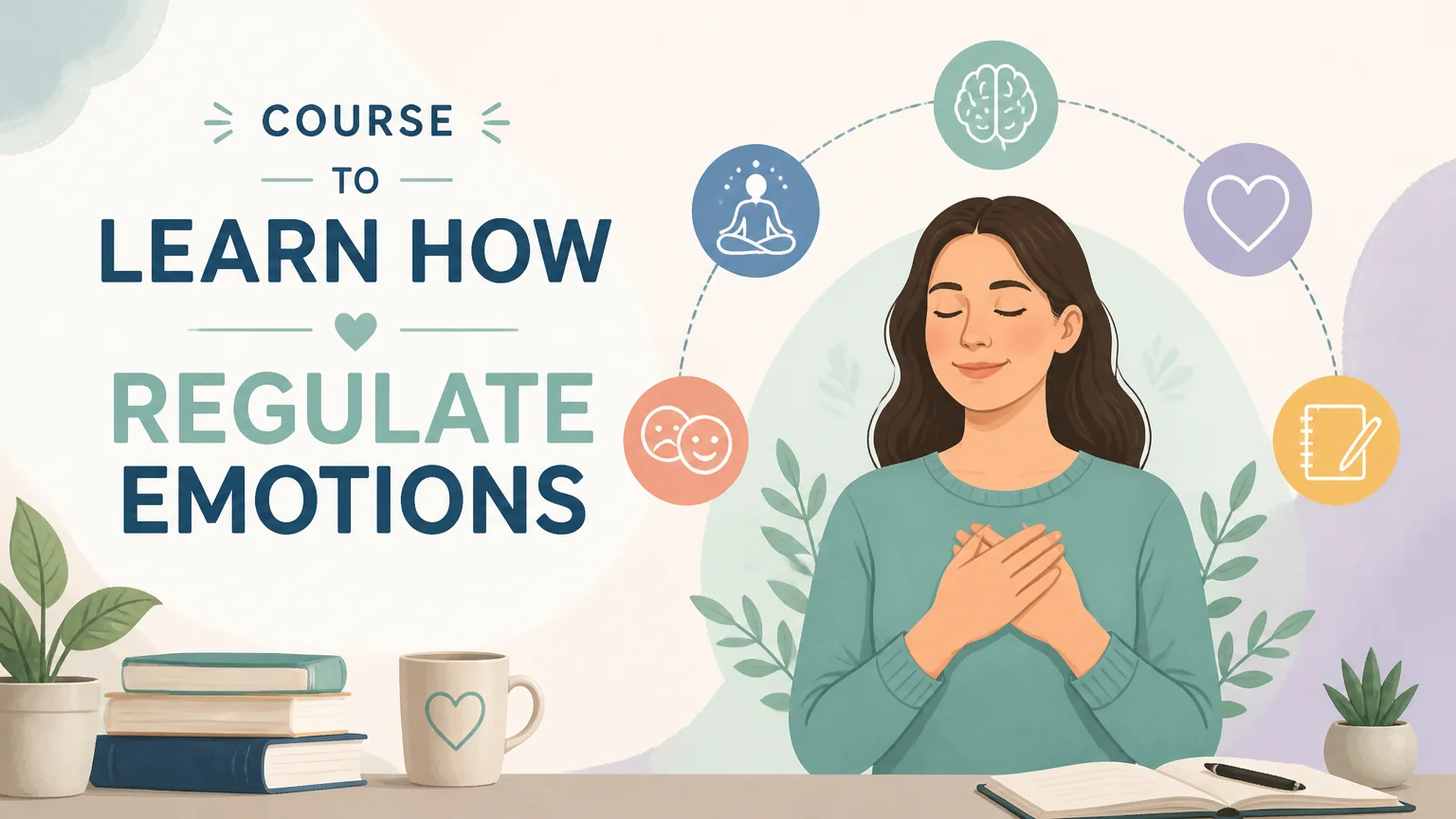
This "course" is not a formal program, but a series of steps and strategies you can implement in your life to improve your mood and regain your joy. It's like a toolkit for building a happier life.
The first step to overcoming sadness and depression is to recognize and accept that you are experiencing these emotions. Don't judge or be ashamed of feeling bad. Allow yourself to feel and express your emotions in a healthy way. Write in a journal, talk to a trusted friend, or seek a therapist. Recognizing the problem is the first step to solving it. It's like admitting you need a map to reach your destination.
If sadness or depression is significantly interfering with your life, seek professional help. A therapist or psychiatrist can help you understand your emotions, develop coping strategies, and, if necessary, prescribe medication. Seeking help is not a sign of weakness, but of courage. It's like going to the doctor when you have the flu.
Small changes in your lifestyle can have a big impact on your mood. Adopt healthy habits that help you feel better physically and emotionally.
Eat a balanced diet rich in fruits, vegetables, whole grains, and lean proteins. Avoid processed foods, sugar, and alcohol, which can worsen your mood. Some foods, like dark chocolate, nuts, and oily fish, can improve your mood thanks to their nutrients. Eat to be happy!
Engage in regular physical activity. Exercise releases endorphins, which have a natural antidepressant effect. Just walking for 30 minutes a day can make a big difference. Find an activity you enjoy, whether it's dancing, swimming, or practicing yoga. Move your skeleton and release happiness!
Get enough sleep. Lack of sleep can worsen sadness and depression. Try to sleep for 7 to 8 hours per night. Establish a regular sleep routine and create a relaxing environment in your bedroom. Good rest is essential for mental health. Recharge your batteries to face the day!
Learn coping techniques to manage difficult emotions and reduce stress.
Practice mindfulness. This technique helps you focus on the present and observe your thoughts and emotions without judging them. You can practice mindfulness by meditating, deep breathing, or simply paying attention to your senses. Live in the now, it's the only thing you truly have!
Cognitive-Behavioral Therapy (CBT) is a type of therapy that helps you identify and change the negative thought patterns that contribute to sadness and depression. You will learn to challenge your negative thoughts and replace them with more realistic and positive ones. Change the way you think, change your life!
There are numerous resources available for people struggling with sadness and depression. You can find support in self-help groups, telephone helplines, mental health centers, and online communities. Do not hesitate to seek help when you need it. You are not alone!
Getting out of sadness and depression is a journey that requires time, effort, and patience. Don't be discouraged if you have setbacks. The important thing is to keep moving forward and not give up. Remember that you deserve to be happy and that you have the ability to overcome these challenges. With the right help and the right tools, you can regain your joy and well-being. Believe in yourself and keep going!
Is it normal to feel sad sometimes? Yes, it is completely normal to feel sad on occasion. Sadness is a basic human emotion that we all experience.
When should I worry about my sadness? You should be concerned if your sadness is persistent, interferes with your daily life, and is accompanied by other symptoms such as loss of interest, fatigue, and difficulty concentrating.
Can I overcome depression on my own? Some people can overcome mild depression on their own with lifestyle changes and coping techniques. However, moderate to severe depression generally requires professional treatment.
Are depression medications addictive? Some depression medications can cause withdrawal symptoms if stopped abruptly. However, they are not considered addictive in the traditional sense of the word.
Is therapy really effective for depression? Yes, therapy, especially Cognitive-Behavioral Therapy (CBT), has been proven to be very effective in treating depression.
Search
Popular searches