For Onlinecourses55
|
2026-02-27
For Onlinecourses55
|
2026-02-27

How to create an impartial harassment investigation committee in your company - sexual harassment work
Creating an effective Investigation Committee for harassment cases is essential. Learn the best practices by enrolling in our detailed workplace harassment investigation training to help protect and empower your staff.
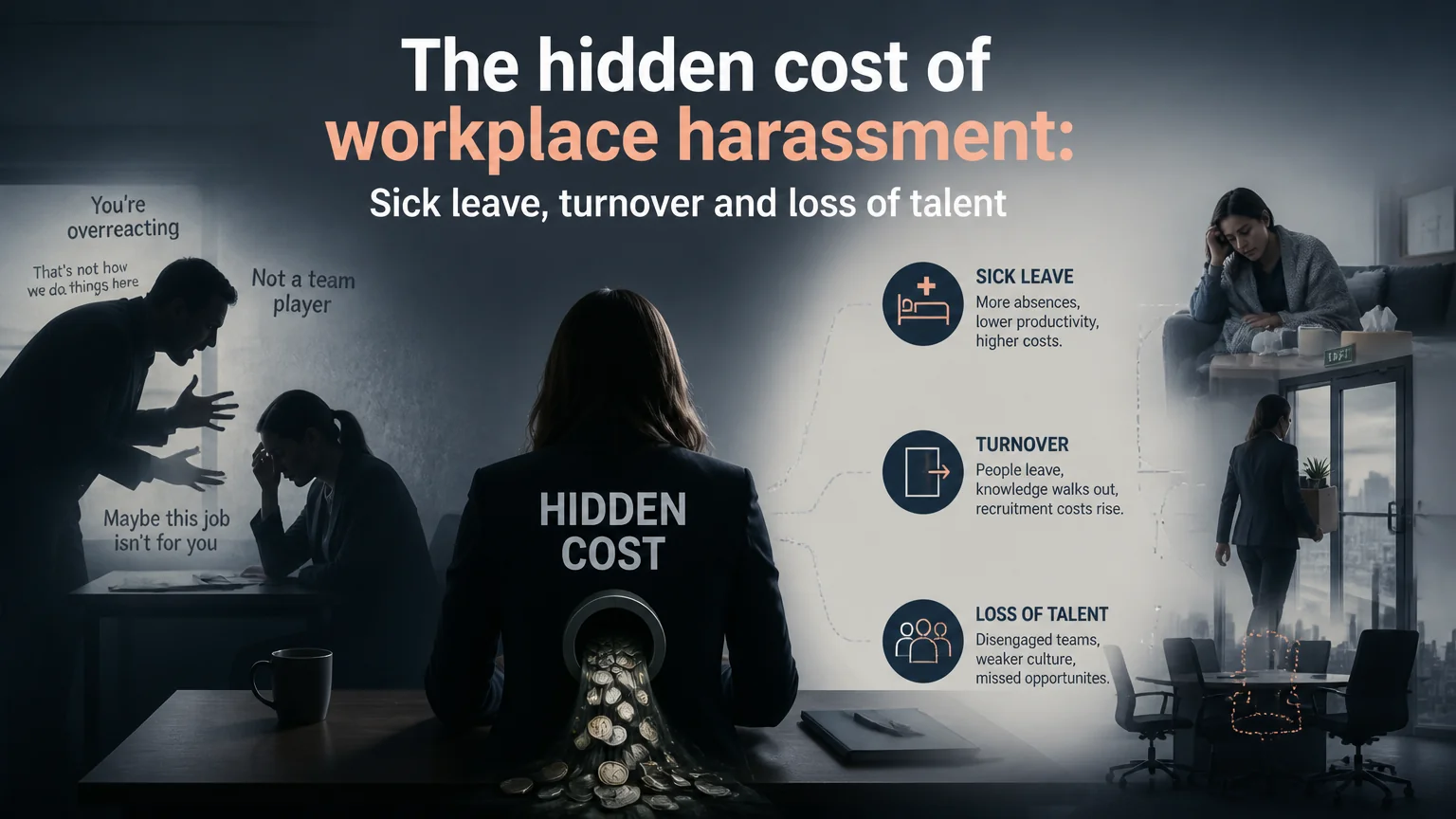
In today’s business landscape, creating an impartial and effective Workplace Harassment Investigation Committee is crucial to protect employees, foster a healthy work environment, and minimize legal risks. Workplace harassment, in all its forms, can have a devastating impact on morale, productivity, and a company’s reputation. This article will guide you step by step to establish a robust committee that ensures fairness and transparency in handling complaints.
Beyond complying with legal regulations, a workplace harassment investigation committee demonstrates the company’s commitment to the well-being of its employees. An effective Workplace Harassment Committee:
It is essential that the company has a clear and concise definition of what constitutes workplace harassment. This definition should include specific examples of unacceptable behaviors, such as:
This definition should be available to all employees and be part of the company policy.
Impartiality and credibility are essential. The Harassment Investigation Committee should be composed of people who:
Consider including a Human Resources representative, a legal representative (internal or external), and an employee representative.
The investigation protocol must be clear, detailed, and accessible to all employees. It should include the following elements:
It is crucial to ensure confidentiality throughout the investigation process.
Committee members should receive specialized training in the following topics:
Training should be continuous and updated to ensure the committee stays up to date with best practices.
Impartiality is the cornerstone of a fair investigation process. To ensure impartiality, the committee should:
If a committee member has a conflict of interest, they must recuse themselves from the case.
Prevention is essential to reduce the incidence of workplace harassment. The company should:
Prevention is more effective than reaction.
The Human Resources department plays a crucial role in establishing and operating the committee. Its responsibilities include:
Once the investigation is completed, the committee should prepare a detailed report with its findings and recommendations. If harassment is confirmed, the company should take appropriate disciplinary measures, which may include:
Additionally, the company should take steps to repair the harm caused to the victim and prevent the harassment from recurring.
Search
Popular searches