For Onlinecourses55
|
2026-02-17
For Onlinecourses55
|
2026-02-17
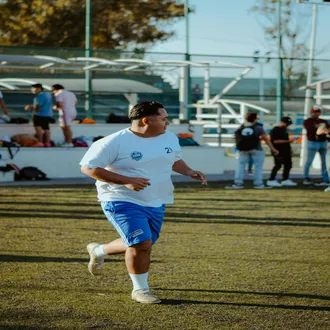
Mindfulness for athletes: why 10 minutes of silence improve your focus on the field - sports coach
Training your focus through mindfulness can elevate athletic performance. Engage in a dedicated course for coaches that teaches techniques to enhance concentration and decision-making.
You train strength, technique and tactics; but what happens to your attention in decisive moments? Ten minutes of daily silence can become your invisible, high-impact exercise. It is not a trend nor mysticism: it is a concrete practice to train the mind, reduce internal noise and sustain focus when the pace of the game demands clear, fast decisions. With a brief, well-designed routine, you can take the quality of your sessions and competitions to another level.
Mindfulness, in the sports context, is the ability to pay full attention to the present, without judgment, and with intention. It's not about 'emptying the mind', but about clearly recognizing what is happening in your breathing, in your body and in your internal dialogue, so you can respond effectively instead of reacting out of habit. This skill is trained like any other: with repetitions, consistency and progression.
In practice, it means anchoring your attention to reliable sensations (such as the air entering the nostrils or the contact of the feet with the ground), observing thoughts and emotions as passing events, and returning again and again to the anchor when you get distracted. That mindful return is the repetition that strengthens your 'attentional muscle'. On the field, it translates into presence, a clearer reading of the game and better pressure management.
Silence reduces external stimuli and, with them, the 'cognitive noise' that competes for your attention. By lowering sensory load, the mind has more resources to maintain a stable focus. Additionally, brief periods of stillness decrease rumination (that back-and-forth of thoughts about mistakes, outcomes or the scoreboard), allowing decision-making to rely on relevant here-and-now information.
Functionally, silence makes it easier for brain systems involved in executive control and sustained attention to take charge, while calming the automatic tendency to wander. Physiologically, slower nasal breathing during silence promotes a parasympathetic response that stabilizes pulse and improves heart rate variability, parameters associated with self-regulation and recovery. It is, essentially, a brief recalibration that organizes your focus before asking it for precision under pressure.
Ten minutes are not a panacea, but they constitute an effective minimum dose with a high return for most athletes. They are short enough to be sustainable even during busy weeks, and long enough to produce noticeable changes within a few weeks. The key is regularity: benefits accumulate and show up especially in demanding situations.
Choose a quiet place, sit with your back upright and relaxed, and set a 10-minute timer. Turn off notifications. If you prefer, use earplugs or headphones with no audio to isolate yourself better. Close your eyes or lower them toward the ground. Breathe through your nose naturally. Choose an attention anchor: breathing in the nostrils or the sensation of your feet touching the ground. Your only task will be to notice when you get distracted and kindly but firmly return to the anchor.
Do your 10-minute block 30–45 minutes before starting. Think of it as part of your mental warm-up, just like an activator for the body. If the day is hectic, reduce to 6–8 minutes, but don't skip it: consistency rules.
During timeouts, between points or during relays, insert micro-pauses of one to two conscious breaths. You don't need to close your eyes: it's enough to return to your anchor for a few seconds to reset and clearly decide the next action.
After competing, use 3–5 minutes of silence to deactivate residual arousal and avoid nighttime rumination. Then jot down two lines: what you maintained well under pressure and what you will adjust tomorrow. This closing accelerates learning without loading emotionally.
What isn't measured fades. Define simple indicators and review them weekly. Don't seek daily perfection; observe trends. If the numbers improve and the subjective experience is of greater clarity, you're on the right track. If they stagnate, adjust timing, environment or the exercise guidance.
If you notice stagnation, vary the anchor (breath, feet, sounds) or add a visual reminder to start. Remember: the 'gain' happens mostly off the cushion, when under pressure you notice you choose better and faster. That's where your practice of silence becomes a competitive advantage.