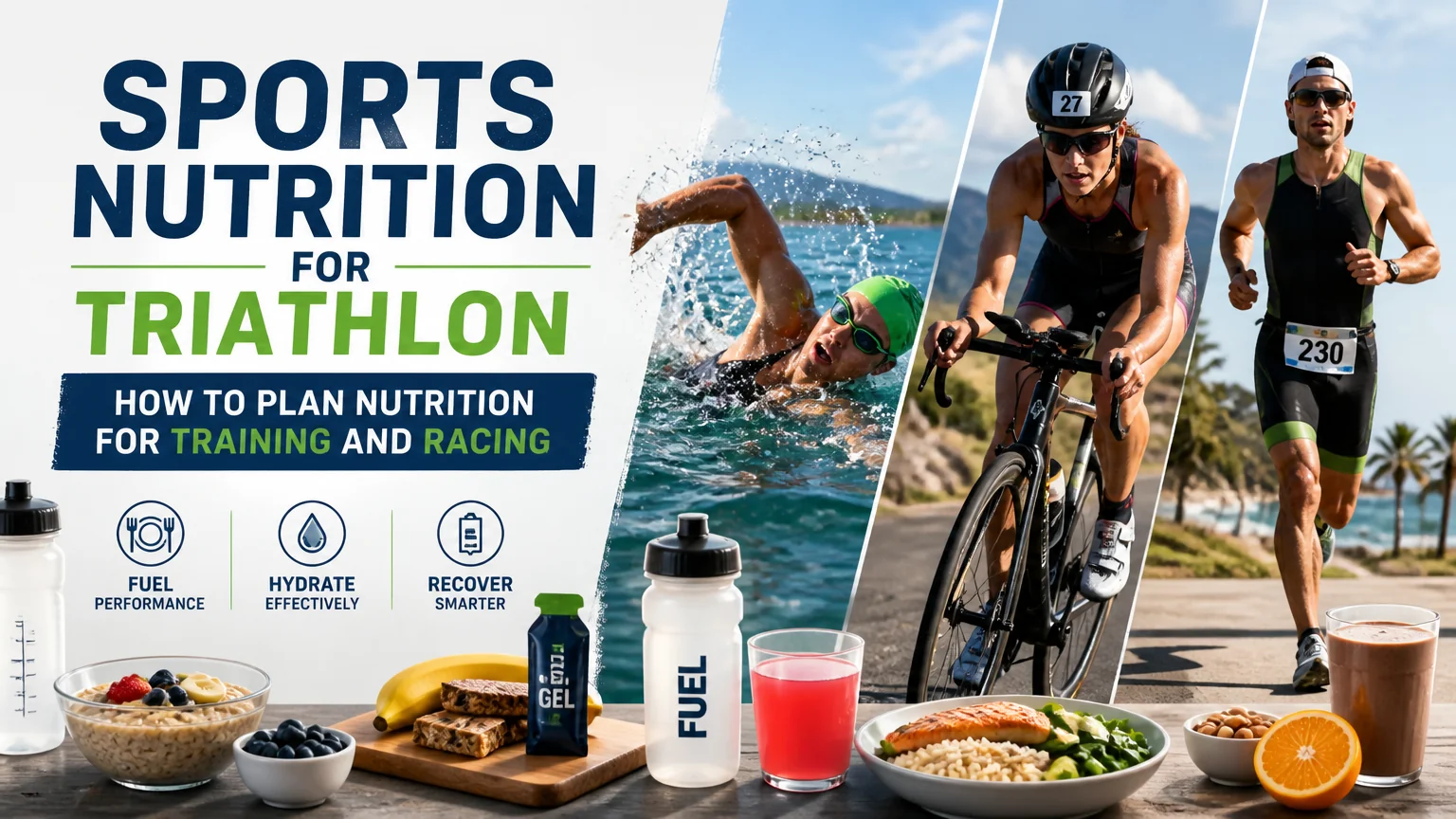
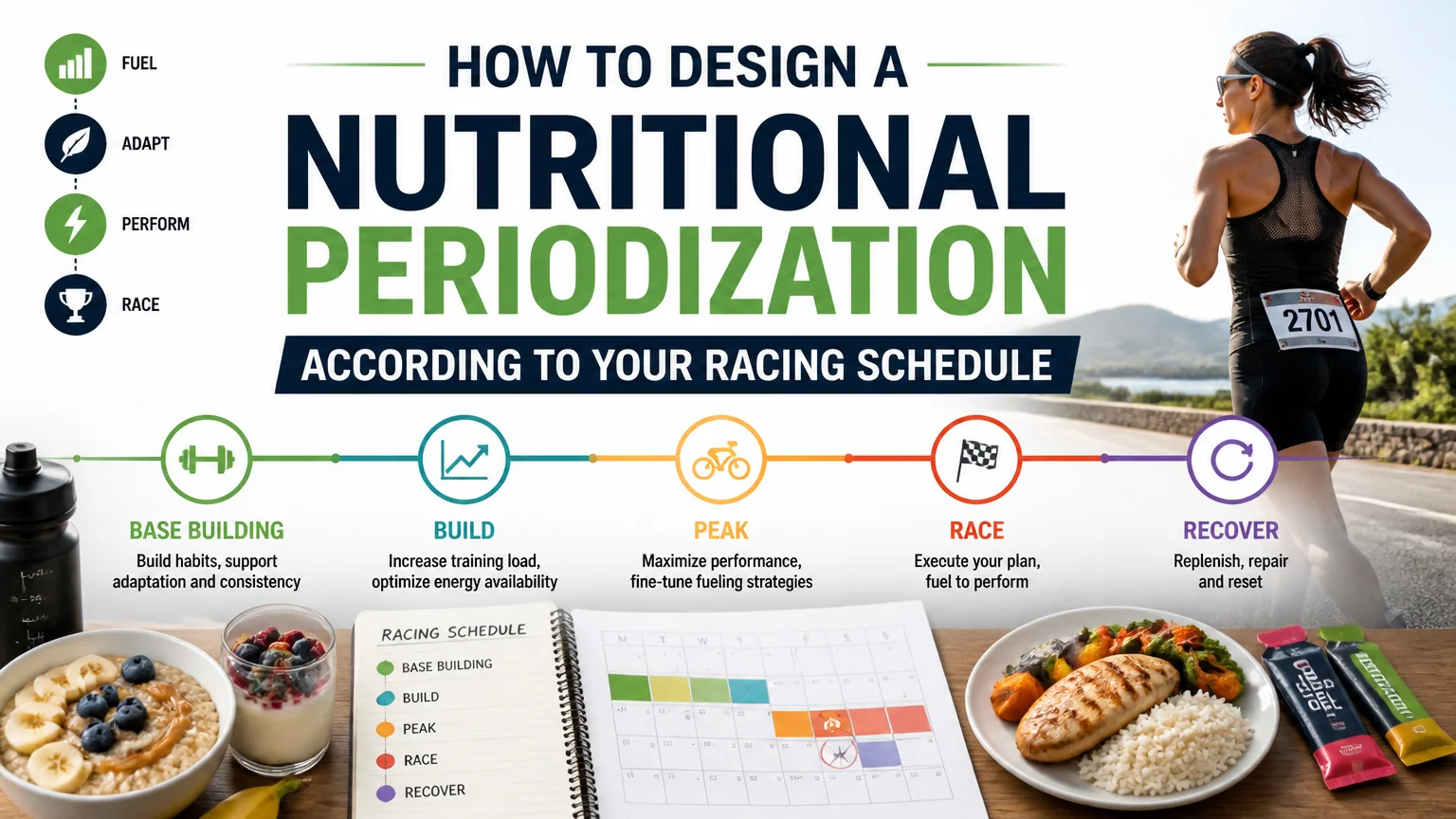
Sports nutrition for women requires specific considerations; gain insights with our dedicated guide for female athletes that addresses unique needs successfully.
Introduction to sports nutrition for women
Sports nutrition for women has specific nuances that should be addressed to optimize performance, recovery and long-term health. Although many general recommendations are valid for both sexes, differences in muscle mass, hormones, iron requirements and bone density make it necessary to adapt the diet. In this text you will find practical principles and examples to apply on a daily basis, differentiating between intense training days and recovery days, and considering stages such as the menstrual cycle, pregnancy or menopause.
Energy needs and calorie balance
To perform and progress, it is essential to meet energy needs. Consuming fewer calories than are expended can lead to loss of performance, menstrual irregularities and increased risk of injury. Conversely, moderate surplus is useful in phases of gaining strength or lean mass.
How to estimate your calories
- Calculate your basal expenditure and multiply it by your activity level (sedentary, moderate, high).
- Adjust +/- 10-20% according to goals: deficit to lose fat, slight surplus to gain muscle.
- Re-evaluate every 2-4 weeks according to progress and sensations.
Macronutrients: protein, carbohydrates and fats
Macronutrient distribution should support training and recovery. Female athletes tend to need adequate protein intake to preserve lean mass, carbohydrates to sustain intensity and fats to maintain hormonal function.
Protein
- Target: 1.2-2.0 g/kg body weight per day, depending on intensity and goal (higher for strength and for recomp, lower for maintenance).
- Distribute protein in 3-4 intakes throughout the day and prioritize sources rich in essential amino acids: lean meats, fish, eggs, dairy, legumes and combined vegetable proteins.
- Include a protein source after training (20-30 g) to promote muscle synthesis.
Carbohydrates
- The amount varies according to volume and intensity: 3-7 g/kg/day for moderate training, up to 7-10 g/kg/day in high aerobic demand sports.
- Prioritize complex carbohydrates (whole grains, tubers, fruits) and adjust the load on days of higher demand.
- Use of fast-absorbing carbohydrates before or during long or intense sessions to maintain performance.
Fats
- Keep 20-35% of daily energy in the form of healthy fats: olive oil, avocado, nuts, fatty fish.
- Fats are important for hormonal health and fat-soluble vitamin absorption.
Key micronutrients and considerations
There are micronutrients that deserve special attention in female athletes because of their influence on performance and reproductive and bone health.
Iron
- Iron is essential for oxygen transport. Women of childbearing age are at greater risk of deficiency.
- Include heme (meats, poultry, fish) and non-heme sources (legumes, spinach) combined with vitamin C to improve absorption.
- Assess periodic ferritin and hemoglobin measurements if there is persistent fatigue or declining performance.
Calcium and vitamin D
- Important for bone health. Consume dairy, fortified alternatives, green vegetables and fish with bone.
- Vitamin D facilitates calcium absorption; sun exposure and supplementation when necessary helps maintain adequate levels.
Other vitamins and minerals
- B12 in vegetarians/vegans; magnesium for muscle relaxation and sleep; zinc for recovery.
- A varied diet usually meets needs, but supplementation should be evaluated with analysis and professional guidance.
Timing and distribution of meals
When you eat influences performance and recovery. Planning macronutrient distribution around training maximizes adaptations and reduces fatigue.
Before training
- Consume a meal with carbohydrates and some protein 2-3 hours before for sustained energy.
- If training is early, a light snack 30-60 minutes before (yogurt with fruit, banana, toast with nut butter) may help.
During training
- For sessions >60-90 minutes, consider carbohydrate drinks or gels to maintain glycogen and performance.
After training
- Replenish carbohydrates and offer protein (20-30 g) in the recovery period (30-60 min) to facilitate muscle repair and glycogen replenishment.
- Include real food when possible: smoothie with fruit and protein, rice with chicken, omelet with potato.
Adaptations according to the menstrual cycle
Hormonal fluctuations can affect energy, strength and recovery. Adjusting nutrition and training load according to phase can be helpful.
Follicular phase (beginning of cycle)
- Progressive increase in tolerance to intensity; prioritize carbohydrates for intense sessions and volume.
Luteal phase (post-ovulation)
- May increase sensitivity to fatigue and digestive discomfort. Maintain a good energy intake and favor more digestive meals if necessary.
Menstruation
- Attend to symptoms: if there is significant iron loss or fatigue, adjust iron and energy intake, and temporarily reduce load if appropriate.
Considerations by life stage
Needs change in pregnancy, postpartum and menopause. In pregnancy, calories and certain nutrients are increased; in menopause, protein and calcium gain importance to preserve muscle mass and bone.
Practical and safe supplementation
Supplements are not indispensable, but some provide measurable benefits when used correctly.
Protein powder
- Useful to reach protein goals if the actual diet does not cover it, especially after training or when traveling.
Creatine
- Safe and effective for improving strength and recovery; standard dose of 3-5 g/day recommended.
Iron and vitamin D
- Only if deficiency is proven by blood tests; uncontrolled supplementation may be unnecessary or detrimental.
Practical examples and quick menus
Simple ideas for applying the above principles in daily life and on training days:
- Pre-workout breakfast: oatmeal with banana, milk or vegetable drink and a scoop of protein powder or Greek yogurt.
- Post-workout meal: brown rice with chicken, steamed vegetables and a serving of fruit.
- Snack between sessions: whole wheat toast with hummus and avocado or a handful of nuts with dried fruit.
- Recovery dinner: baked salmon, baked potato and green salad (omega-3 and iron).
Final tips and how to evaluate progress
Monitor energy, sleep, performance and menstrual regularity as key indicators of whether nutrition is being adequate. Adjust calories and macronutrients according to goals and progress. Seek professional support (sports nutritionist) if there are concerns about deficiencies, menstrual problems, or if pregnancy is planned. Small consistent changes in diet and training usually give better results than extreme solutions.
Practical summary
Prioritize caloric intake according to expenditure, ensure protein distributed throughout the day, adapt carbohydrates to the training load, and take care of iron, calcium and vitamin D. Adjust the strategy according to the phase of the cycle and stage of life, and use supplements only when they provide a demonstrable advantage. With consistency and attention to body signals, performance is improved without compromising health.
 For Onlinecourses55
|
2026-06-09
For Onlinecourses55
|
2026-06-09