 For Onlinecourses55
|
2026-06-09
For Onlinecourses55
|
2026-06-09

Committed action: the art of acting before you feel ready - therapy acceptance commitment
Take the first step towards actionable insights rather than waiting for the right moment by engaging in this dynamic course focused on embracing acceptance and commitment strategies that empower you to take charge of your life.
There are moments when ideas are clear, the goals are desirable and the desire exists, but the body doesn’t move. You wait for a magical push, absolute certainty or an external signal that confirms it’s the perfect moment. Meanwhile, days go by. The uncomfortable truth is that total clarity rarely arrives before movement; it usually appears after the first step. Starting without complete certainties isn’t recklessness: it’s a skill that can be trained, and that turns ambitions into results.
The brain is designed to protect, not to innovate. Faced with the unknown, it magnifies risks and underestimates the capacity to learn. Waiting to feel total confidence is like waiting for the sea to be without waves to learn to swim: that day almost never comes. Confidence is built with evidence, and evidence only appears when you act. Each small victory is a test that reduces doubt and cements commitment to the next step.
Also, contexts change. Perfect information is a mirage; what seems uncertain today could be obsolete tomorrow. That’s why early action, even if imperfect, often has an advantage: it generates real data with which to improve quickly.
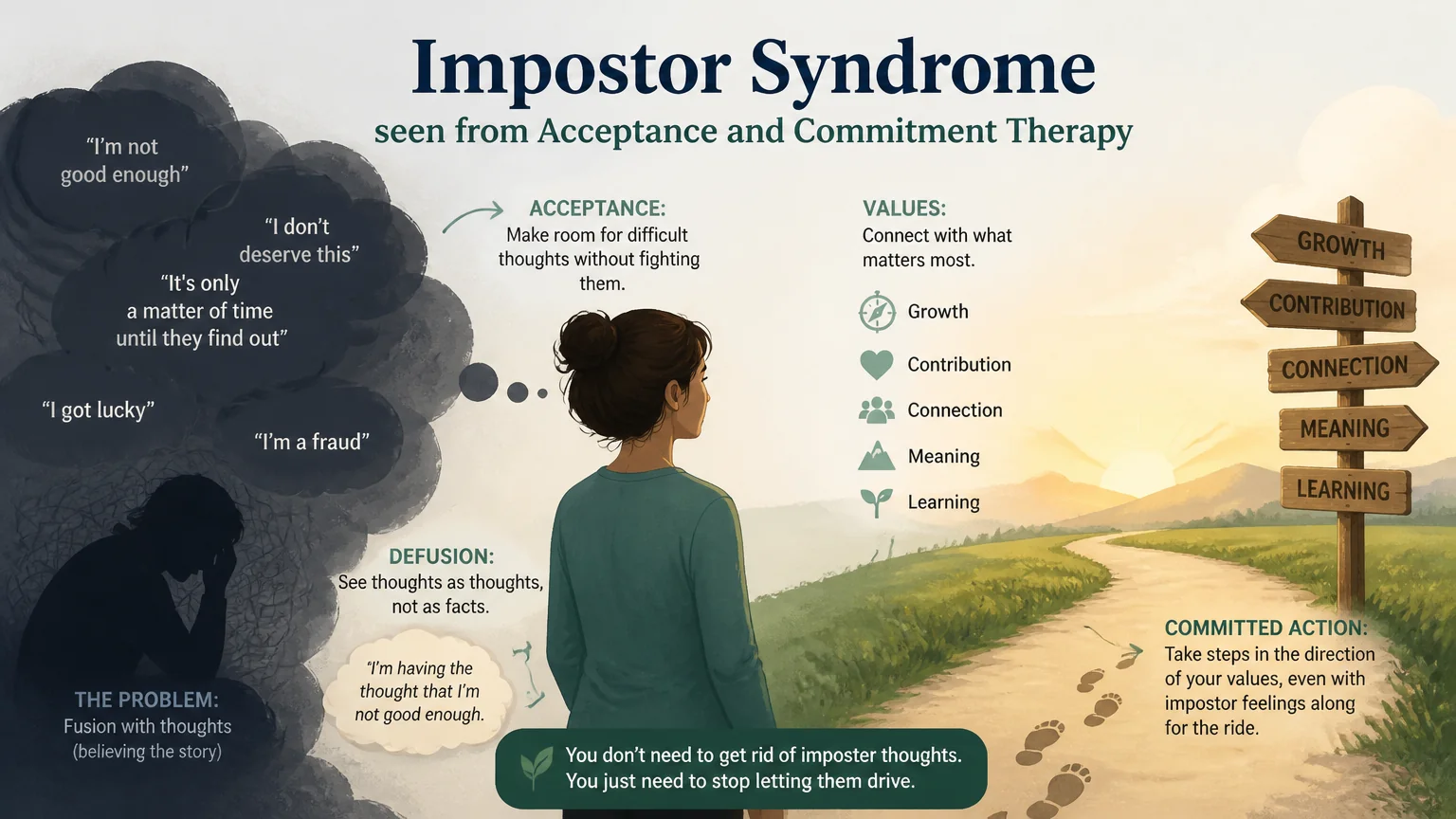
It’s not about launching yourself recklessly, but about making decisions that bind you to what matters and make you move forward, even when your mood fluctuates. Commitment is turning a desire into an agreement with yourself and with reality: you choose a process, define conditions and stick to them. Emotion passes, the agreement remains.
Acting with commitment means prioritizing the process over the immediate result. You’re not seeking perfection on the first try, but the consistency that multiplies learning, reduces fear and enables iterative improvements.
Failure hurts less in private than in public. However, controlled exposure can accelerate progress. Narrow the scenario, start small and expand when the system works.
Disproportionate demand is a mask for fear. Replace it with progressive standards: minimum viable today, better version tomorrow.
Too many options are exhausting. Limit alternatives with simple rules and turn recurring decisions into protocols to save mental energy.
Turn desire into a clear trigger with the “if-then” formula. This definition reduces friction and pulls the task out of the abstract.
Action happens when friction is low and appeal is high. Remove obstacles and make starting the easiest option.
A brief ritual reduces initial resistance and sets boundaries. For example: prepare water, review the day’s intention, set a timer and start. At the end, record progress and define tomorrow’s first step.
Define a non-negotiable minimum action: 10 minutes of practice, one page written, one email sent. Consistency builds identity and confidence.
The effective cycle is execute, observe, adjust. You don’t need big analyses for every micro-decision; a short, honest review is enough. At the end of the week, identify what produced the greatest progress with the least effort and double down on that tactic.
Failing early and cheaply is an advantage. Change the meaning of a stumble: it’s not a sentence, it’s a data point. Document what you learned and how you’ll incorporate it into the next iteration. The goal isn’t to avoid failures, but to shorten the time between attempt and improvement.
A useful technique is to set risk limits: define in advance how much time and resources you’re willing to invest before evaluating. This prevents continuing by inertia or abandoning out of panic.
Don’t negotiate with mood, negotiate with the system. Apply the 10-minute entry rule and let the body pull the mind along.
Anchor the routine to a stable cue (fixed time, prior event) and record progress visually. The visible chain of completion motivates by itself.
Restart with the smallest possible step and remove obstacles. Don’t try to “catch up” all at once; return to the rhythm and then increase.
When you choose to move forward even with doubts, you become the kind of person who trusts the process more than the momentary mood. It’s not grandiose bravery, it’s humble consistency. You move the needle with small, intentional, repeated steps. Confidence arrives from movement, and movement continues when commitment is clear, measurable and kind to you. Start with the minimum, sustain the essentials and let the accumulated evidence build the confidence you were waiting for.
Search
Popular searches



![Addictions and act: the urge surfing technique [urge surfing]](/images/postDuplicados/onlinecourses55-addictions-and-act-the-urge-surfing-technique-urge-surfing.webp)