For Onlinecourses55
|
2026-03-16
For Onlinecourses55
|
2026-03-16
The cycle of violence: why there are 'honeymoons' in hell - violence domestic family
Understanding the cycle of aggression is necessary, and our course on domestic violence awareness offers valuable insights and support for those affected by these patterns.
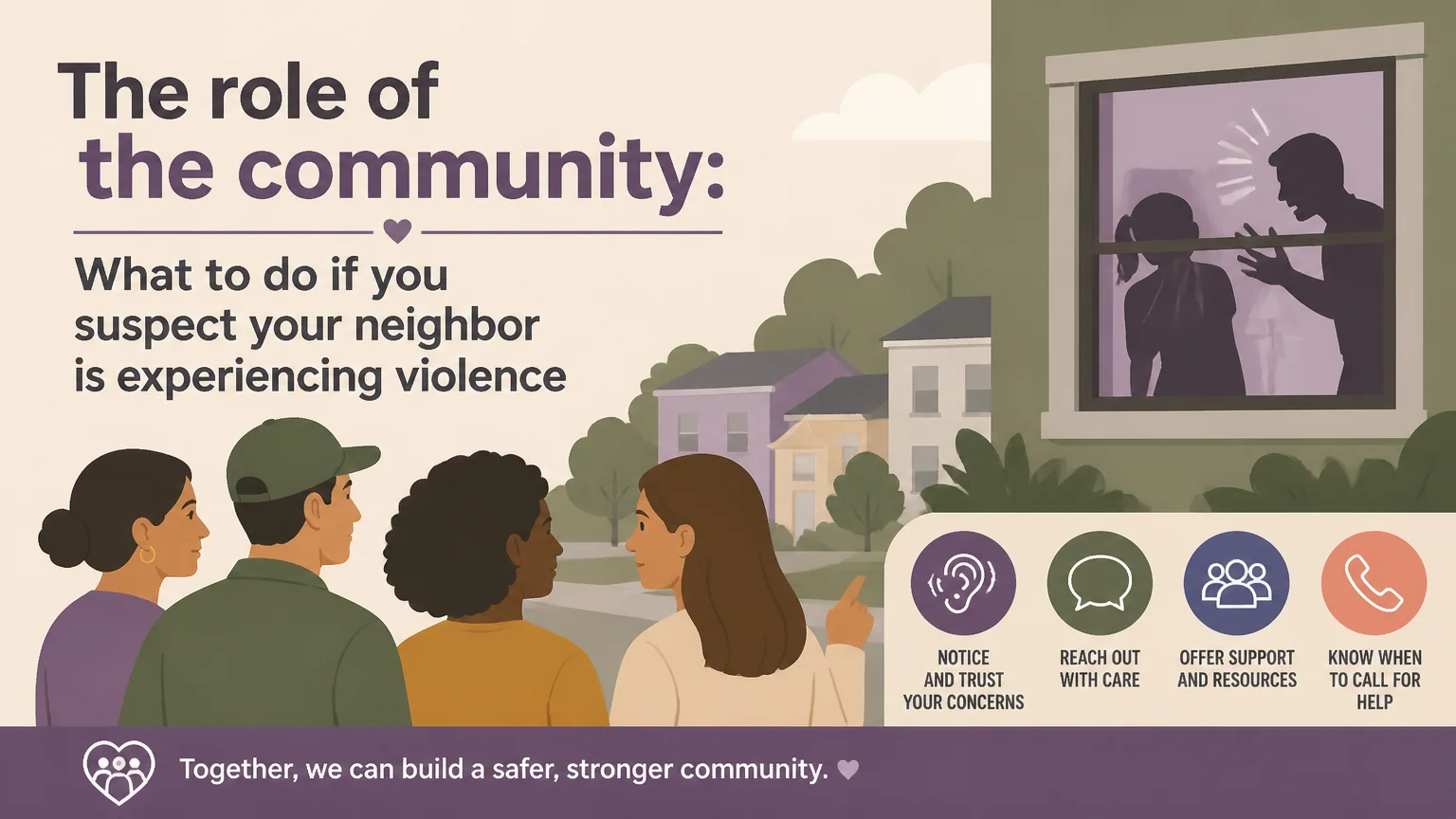
Domestic violence is a complex and devastating problem that affects millions of people around the world. It is not an isolated event, but a recurring pattern known as the cycle of violence. Understanding this cycle is crucial to recognizing warning signs, breaking the abusive relationship, and helping victims find safety and support.
The cycle of violence is not a straight line, but a repetitive pattern that consists of three main phases: the tension-building phase, the aggression phase, and the "honeymoon" (or reconciliation) phase. These phases repeat over and over, often intensifying over time.
In the tension building phase, the atmosphere becomes tense and unpredictable. The abuser appears irritable, controlling, and demanding. The victim feels like they are "walking on eggshells," desperately trying to avoid anything that might provoke the abuser's anger. This phase can last days, weeks, or even months. Warning signs include:
The victim, in an attempt to appease the abuser, often gives in to their demands, justifies their behavior, and assumes responsibility for the relationship's problems. However, no matter how much they try to please them, the tension continues to rise.
The aggression phase is the eruption of physical, emotional, sexual, or economic violence. It can include shouting, insults, humiliation, hitting, kicking, threats with weapons, or any other form of abuse. The duration and intensity of this phase vary, but it always leaves the victim feeling terrified, humiliated, and powerless. During this phase, the abuser seeks to exert control and dominance over the victim. Examples of aggression include:
After the incident, the victim may feel shame, guilt, fear, and confusion. They may try to minimize what happened or even blame themselves for provoking the aggression.
After the aggression, the abuser often enters a "honeymoon" or reconciliation phase. During this phase, the abuser may appear remorseful, affectionate, and promising. They may apologize profusely, buy gifts, make promises to change, and even blame external factors for their behavior. This phase is designed to manipulate the victim into staying in the relationship. Some common tactics include:
The victim, desperate to believe in the abuser's change, may cling to this "honeymoon" as proof that love still exists and that the relationship can be saved. However, this phase is illusory and temporary. Over time, the tension builds again and the cycle repeats.
The "honeymoon" phase is a crucial component of the cycle of violence because it keeps the victim trapped in the relationship. It gives false hopes that the abuser can change and that the relationship can return to how it was before. This hope, although illusory, is extremely powerful and makes it difficult for the victim to break the cycle. Additionally, the abuser, often aware of their behavior, uses this phase to manipulate and control the victim, reinforcing their emotional and financial dependence.
Psychological manipulation plays a fundamental role. The abuser alternates between abuse and remorse, confusing the victim and causing them to doubt their own perception of reality. This technique, known as *gaslighting*, is a form of emotional abuse that can have serious consequences for the victim's mental health.
Breaking the cycle of violence is a difficult but essential process for the victim's safety and well-being. It is not a process the victim can carry out alone. It requires the support of family, friends, mental health professionals, and organizations specialized in domestic violence. Here are some important steps:
There are numerous resources and organizations that offer support to victims of domestic violence. These resources can provide counseling, shelter, legal assistance, and other services. Some important resources include:
Remember: You are not alone. Help is available. Breaking the cycle of violence is possible. Your life and your safety are important.
Search
Popular searches