For Onlinecourses55
|
2025-12-22
For Onlinecourses55
|
2025-12-22
Do you feel exhausted after being with him? your body warns you about the abuse - violence psychology
Gaining insight into emotional or psychological abuse can be life-changing. If you want to better understand these subtle dynamics, explore this valuable course that elaborates on psychological violence and how to reclaim your energy and clarity.
Are you constantly exhausted after spending time with your partner? Do you feel your energy drained and your mood affected? If the answer is yes, your body could be sending you signals that you are experiencing some form of emotional or psychological abuse. This type of abuse, although it does not leave visible physical marks, can be devastating to your overall well-being. In this article, we will explore the signs of exhaustion that indicate possible emotional abuse and provide you with the tools necessary to protect yourself and recover your vital energy.
Emotional abuse, also known as psychological abuse, manifests through patterns of behavior designed to control, manipulate, and degrade the victim. Unlike physical abuse, emotional abuse is subtle and often insidious, making it difficult to recognize. This type of abuse can include:
The impact of emotional abuse on your energy is significant. The constant tension, stress, and feeling of walking on eggshells wear down your emotional and physical reserves. You feel exhausted, anxious, and depressed, even after seemingly "normal" interactions with your partner.
Pay attention to these signs of exhaustion that could indicate you are experiencing emotional abuse:
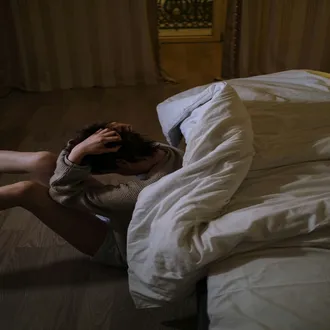
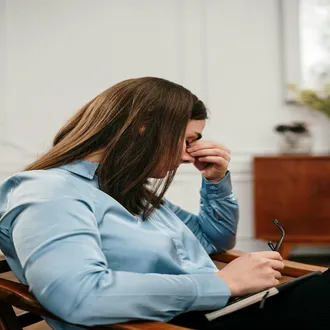
You feel constantly tired, even after getting enough sleep. Mental fatigue is just as intense: it's hard to concentrate, make decisions, and enjoy activities you used to like.
You experience high levels of anxiety, constant nervousness, and panic attacks without an apparent cause. Uncertainty about how your partner will react keeps you in a constant state of alert.
You notice significant changes in your eating patterns (overeating or loss of appetite) and sleep (insomnia or oversleeping). These changes are often a physical response to emotional stress.
You feel guilty and responsible for the problems in the relationship, even when it is not your fault. Your self-esteem gradually decreases, and you begin to doubt your worth and abilities.
You withdraw from friends and family because you feel ashamed of what is happening or because your partner prevents you from interacting with them. Isolation only intensifies the cycle of abuse.
You experience headaches, stomachaches, and other physical symptoms without a clear medical cause. These pains can be a physical manifestation of emotional stress.
Recognizing emotional abuse is the crucial first step. Once you identify the problem, you can take measures to protect yourself and recover your well-being.
Define your limits and communicate them clearly to your partner. Let them know which behaviors are unacceptable and what your consequences will be if those boundaries are crossed. Stand firm in your boundaries, even if your partner tries to manipulate you.
A therapist or counselor can help you process your emotions, develop healthy coping strategies, and rebuild your self-esteem. Therapy is a safe space to explore your experiences and obtain the support you need.
Reconnect with friends and family who offer support and understanding. Spending time with people who value and care for you can help you regain perspective and feel less alone.
Make time for activities that make you feel good and help reduce stress. Exercise, meditate, read, spend time in nature, or engage in any other activity that brings you joy and relaxation.
In some cases, the only way to protect yourself from emotional abuse is to end the relationship. If your partner refuses to change their behavior and the abuse continues, you must prioritize your safety and well-being. Leaving an abusive relationship can be difficult, but it is a necessary step to reclaim your life.
There are numerous resources available to help victims of emotional abuse:
Remember, you are not alone. Emotional abuse is not your fault, and you deserve to live a happy and healthy life. Seek help and take the necessary steps to protect yourself and recover your vital energy.