For Onlinecourses55
|
2026-05-29
For Onlinecourses55
|
2026-05-29
The myth of the monster: why abusers don't seem like 'bad people - violence psychology
The complexities of abusive behavior often remain hidden, making it crucial to gain a deeper understanding. Uncover the psychological strategies behind such behaviors through our course on the hidden dynamics of abuse and manipulation, equipping yourself to recognize and combat these issues.
The image we often have of the abuser is of a visibly aggressive, threatening individual who is easy to identify. However, the reality is much more complex and, unfortunately, more common: the abuser often hides behind a mask of normality, even charm.
This article delves into debunking the "monster" stereotype to understand why it is so difficult to recognize an abuser. We will explore the psychological and social mechanisms that allow domestic abuse to thrive in the shadows, and how this affects victims and society at large.
One of the most disconcerting aspects of abuse is that the perpetrator can be perceived as a charming, charismatic, and even generous person by those around them. This facade of normality allows them to keep their social circle intact and makes it difficult for others to suspect their abusive behavior. Manipulation is a key tool in their arsenal, used to control their victim and to shape how others perceive them.
This manipulation can manifest in various ways, from gaslighting (making the victim doubt their own sanity) to social isolation (driving them away from friends and family). The goal is to undermine the victim's self-esteem and autonomy to make them more dependent on the abuser.
Identifying abuse is a challenge because the warning signs are often subtle and can be easily minimized or justified. Some of the reasons we don’t always see the signs include:
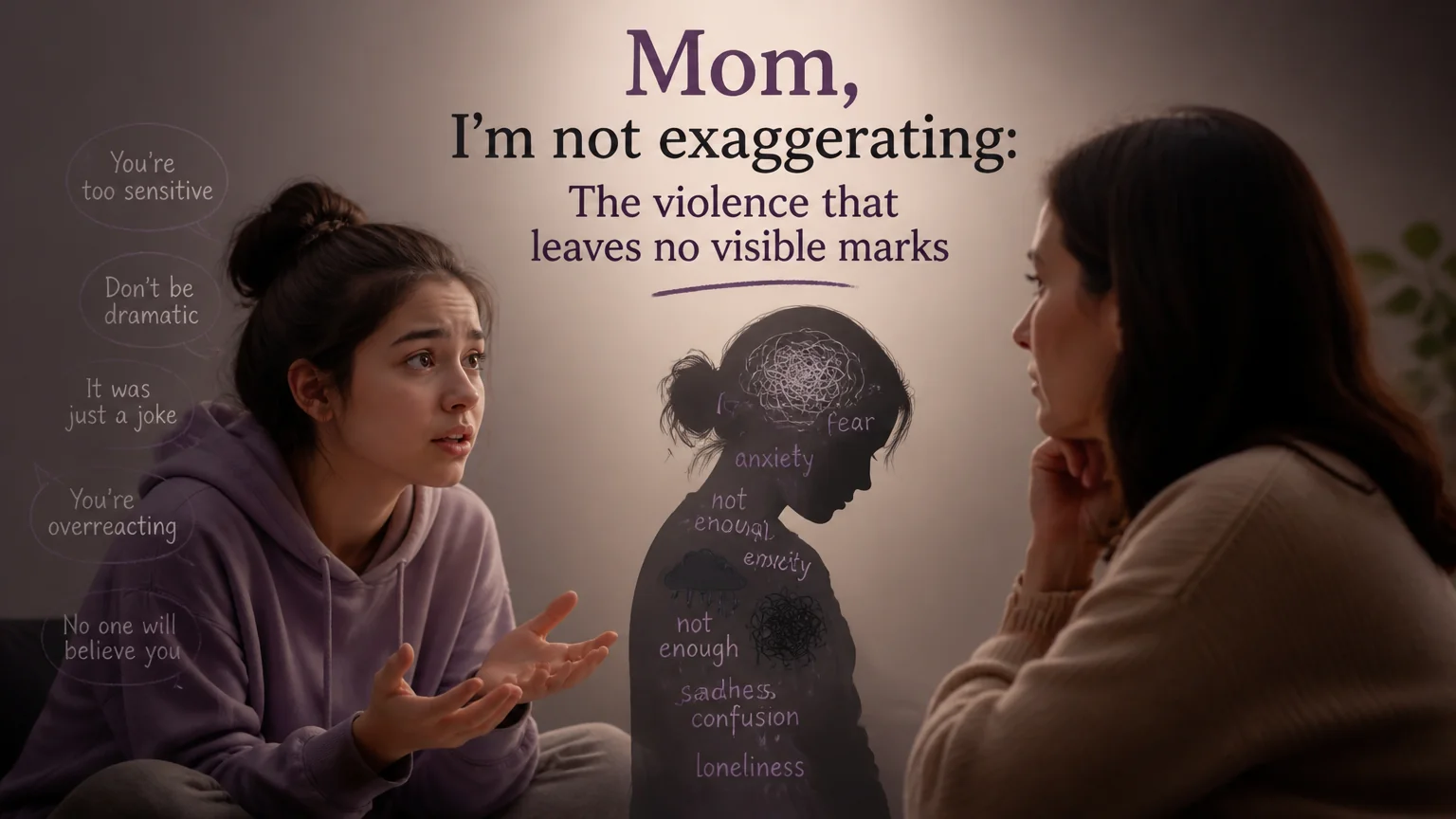
It is crucial to understand that abuse is not limited to physical violence. There are other forms of abuse that are equally harmful and often harder to detect, such as:
Abuse leaves deep and lasting scars on victims. These scars can manifest as:
One of the most powerful tools to combat abuse is breaking the silence. Talking about the abuse, whether with a friend, a family member, a mental health professional, or a helpline, can be the first step toward recovery. It is essential to remember that the victim is not alone and that resources are available to help.
We all have a role to play in preventing abuse. Some ways to help include:
Search
Popular searches