Toxic leadership: how to identify and manage it from hr - workplace harassment
Identifying toxic leadership is essential for employee well-being. This course offers valuable techniques on transforming leadership styles, so consider enrolling in our course dedicated to managing workplace harassment and evolving workplace dynamics.
Leadership is one of the cornerstones of any organization's success. However, when leadership becomes toxic, the work environment deteriorates, productivity decreases, and the company as a whole suffers. Identifying and managing toxic leadership is a crucial task for the Human Resources (HR) department. In this article, we will explore in depth what toxic leadership is, how to recognize it, its devastating impact, and the strategies HR can implement to build a healthy and productive work environment.
What Is Toxic Leadership and How Does It Manifest?
Toxic leadership is characterized by a set of behaviors and attitudes that harm employees' emotional and professional well-being. It is not simply a demanding leader or one with a different management style. Toxic leadership involves abuse of power, manipulation, lack of empathy, and unfair treatment of team members. Some of the most common manifestations include:
- Excessive Micromanagement: Constant and detailed control of employees' work, stifling initiative and autonomy.
- Destructive Criticism: Negative and humiliating comments that undermine employees' confidence and self-esteem.
- Lack of Recognition: Ignoring employees' achievements and contributions, generating demotivation and resentment.
- Authoritarian Behavior: Imposing decisions without taking into account the opinions or suggestions of the team.
- Manipulation and Deception: Using dishonest tactics to obtain personal or company benefits at the expense of employees' well-being.
- Favoritism and Discrimination: Preferential treatment toward certain employees based on subjective criteria, and discrimination against others due to race, gender, age, etc.
- Lack of Communication: Not providing clear and timely information to employees, generating confusion and uncertainty.
- Workplace Harassment (Mobbing): Hostile and systematic behavior directed at an employee with the aim of intimidating, humiliating, or excluding them.
The Negative Impact of Toxic Leadership on the Work Environment
Toxic leadership has devastating consequences for the work environment, affecting both employees and the organization as a whole. Some of the most significant impacts are:
- Decreased Productivity: Demotivation, stress, and fear generated by toxic leadership reduce employees' productivity and performance.
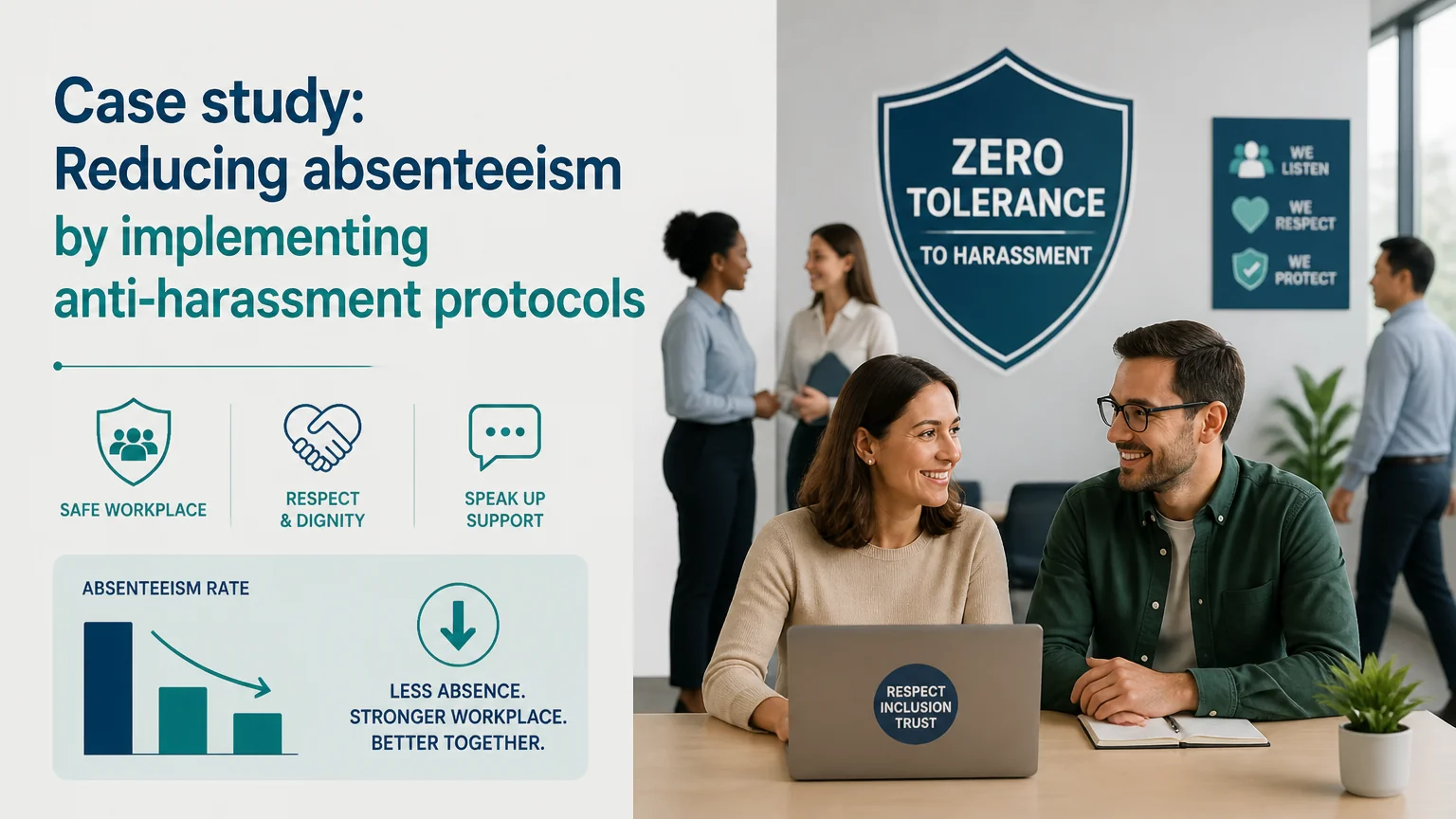
- Increased Absenteeism: Employees who suffer from toxic leadership are more likely to miss work due to physical and mental health problems.
- High Employee Turnover: A toxic work environment leads employees to seek better opportunities elsewhere, increasing recruitment and training costs.
- Deterioration of the Organizational Climate: Toxic leadership creates an environment of distrust, resentment, and fear, which negatively affects morale and collaboration among employees.
- Mental Health Problems: Chronic stress, anxiety, and depression are common among employees who suffer from toxic leadership, which can have serious consequences for their mental health.
- Damage to the Company's Reputation: A toxic work environment can harm the company's reputation, making it difficult to attract and retain talent.
- Legal Risks: Workplace harassment, discrimination, and other behaviors related to toxic leadership can lead to legal claims against the company.
Key Strategies for HR in Managing Toxic Leadership
The Human Resources department plays a fundamental role in preventing and managing toxic leadership. Here are some key strategies HR can implement:
- Implement a Clear and Concise Code of Conduct: Establish clear and concise behavioral standards that define what is considered acceptable and unacceptable in the workplace. This code should include specific policies against workplace harassment, discrimination, and other forms of toxic behavior.
- Training in Mindful Leadership: Offer training programs for leaders on mindful leadership, emotional intelligence, effective communication, and conflict management. These programs should help leaders develop skills to lead in a positive and respectful manner.
- Establish Confidential Communication Channels: Create secure and confidential communication channels so that employees can report toxic behaviors without fear of retaliation. These channels may include direct phone lines, anonymous suggestion boxes, or the appointment of an internal mediator.
- Conduct 360-Degree Performance Evaluations: Use 360-degree performance evaluations to obtain feedback from peers, subordinates, and supervisors about employees' behavior and leadership style. This feedback can help identify areas for improvement and prevent toxic leadership.
- Investigate Reports of Toxic Behavior Rigorously: Take all reports of toxic behavior seriously and thoroughly investigate each case. It is important to ensure confidentiality and protect whistleblowers from retaliation.
- Take Appropriate Disciplinary Measures: Implement appropriate disciplinary actions for leaders who display toxic behaviors. These measures may include warnings, suspensions, demotions, or even dismissal.
- Promote a Culture of Respect and Empathy: Foster a culture of respect, empathy, and collaboration throughout the organization. This involves promoting diversity and inclusion, encouraging open and honest communication, and recognizing and rewarding positive behavior.
- Continuously Monitor the Organizational Climate: Conduct regular organizational climate surveys to assess employee satisfaction, identify potential problems, and measure the impact of toxic leadership management strategies.
 For Onlinecourses55
|
2026-07-14
For Onlinecourses55
|
2026-07-14