For Onlinecourses55
|
2026-04-27
For Onlinecourses55
|
2026-04-27
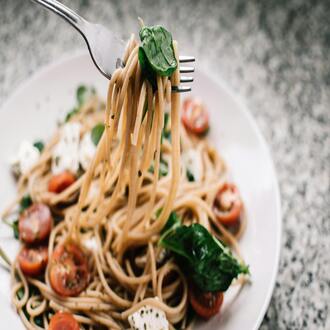
Allergen action protocol - allergens
Enhancing your knowledge about allergens is vital to create a safe space for everyone; thus, exploring this in-depth training course focused on allergen protocols can provide you with all the necessary information and strategies.
Hello everyone! Have you ever wondered what would happen if someone suffered a severe allergic reaction in your restaurant, school, or even your own home? Food allergies are a serious matter, and having a clear and effective protocol can make the difference between a minor scare and a medical emergency. In this article, we are going to break down everything you need to know about the allergen action protocol to create a safer environment for everyone.
Before diving into the protocol itself, let''s clarify some basic concepts. What exactly are allergens and why are they so important?
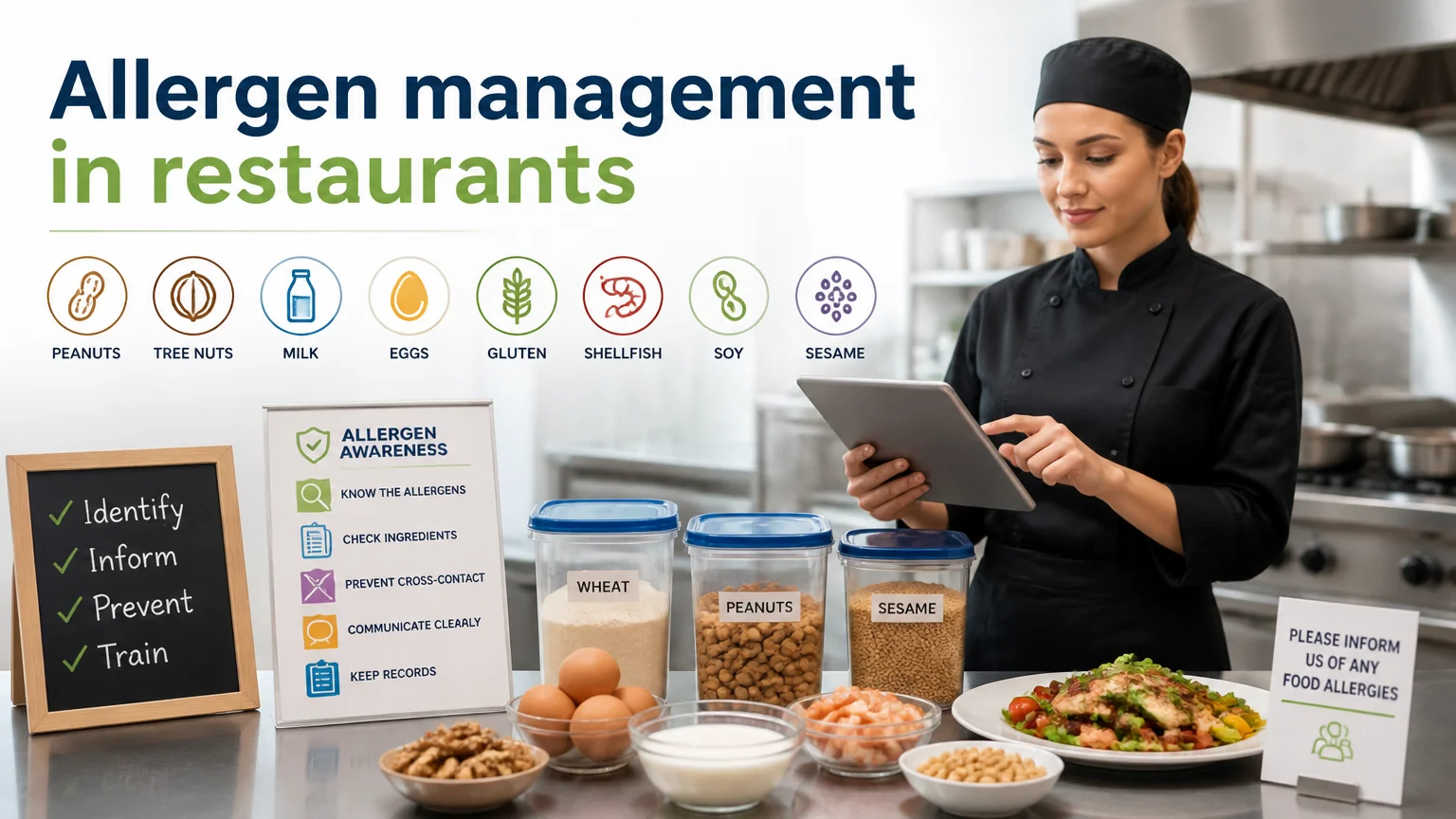
An allergen is a substance that causes an allergic reaction in susceptible people. Think of them as tiny "intruders" that some people''s immune systems mistakenly identify as dangerous. Some of the most common allergens include:
The answer is simple: to save lives and prevent complications. Imagine the following situation: a child eats a cookie containing nuts (to which they are allergic) and starts having difficulty breathing. If school staff knows exactly what to do (administer epinephrine, call emergency services, etc.), the situation can be managed quickly and successfully. Without a protocol, chaos and confusion could delay attention and endanger the child''s life.
Now, let''s get to the important part: how to create an allergen action protocol that actually works. Don''t worry, it''s not as complicated as it seems. Here is a step-by-step guide:
The first step is to identify where the risks are in your environment. What foods are served or handled? Are there areas where cross-contamination is more likely? For example, in a restaurant, the kitchen is obviously a high-risk area. In a school, the cafeteria and classrooms where children share food are also high-risk. Once you have identified the risks, evaluate their severity and the probability of an allergic reaction occurring.
A protocol is only as good as the people who implement it. It is crucial that all personnel (cooks, servers, teachers, cleaning staff, etc.) receive training on food allergies, symptom recognition, and emergency procedures. Training should include:
Cross-contamination occurs when an allergen is accidentally transferred to a food that does not contain it. This can happen in many ways, but here are some examples and how to prevent them:
Even with the best preventive measures, allergic reactions can occur. It is crucial to be prepared to act quickly and effectively.
Symptoms of an allergic reaction can range from mild to severe. Some of the most common symptoms include:
Anaphylaxis is a severe allergic reaction that can be life-threatening. Symptoms can appear quickly and worsen rapidly. If you suspect someone is suffering from anaphylaxis, follow these steps:
An allergen action protocol is not just a document; it is a living system that requires continuous communication and documentation.
Clear and accurate food labeling is essential to help people with food allergies make informed decisions. Labels must clearly indicate all ingredients and allergens present in the product. In the European Union, there is specific legislation regarding food allergen labeling (Regulation (EU) No 1169/2011).
Keeping detailed records of all food allergy-related incidents can help you identify patterns, improve your protocol, and demonstrate compliance with regulations. Records should include:
An allergen action protocol is a starting point, but the ideal is to create a culture of safety where everyone is aware of the risks and committed to preventing allergic reactions. This involves:
Ultimately, creating a safe environment for people with food allergies is a shared responsibility. With a well-designed protocol, adequate training, and a safety culture, we can make a difference and save lives. Let''s get to work!
1. How often should I review and update my allergen action protocol?
Ideally, you should review and update your protocol at least once a year, or more frequently if there are changes to your menu, staff, or regulations.
2. What should I do if a customer has a mild allergic reaction?
If a customer has a mild allergic reaction (for example, hives or itching), ensure they are comfortable, offer them water, and monitor their symptoms. If symptoms worsen, call emergency services.
3. Is it mandatory to have an epinephrine auto-injector (EpiPen) in my restaurant?
In many countries, it is not mandatory, but it is highly recommended, especially if you serve foods that contain common allergens. The availability of epinephrine can make the difference between an emergency and a tragedy.
4. How can I ensure that my suppliers comply with allergen labeling standards?
Communicate with your suppliers and request detailed information about the ingredients and allergens present in their products. Conduct periodic audits to verify compliance with standards.
5. What resources are available to help me develop my allergen action protocol?
Many resources are available, including food allergy organizations, government agencies, and specialized consultants. Consult with them for advice and support.
Search
Popular searches