For Onlinecourses55
|
2026-04-13
For Onlinecourses55
|
2026-04-13

Cross-contamination - allergens
Understanding the risks of cross-contamination is critical for home cooks and chefs alike, so dive into this essential course on allergy management to keep your kitchen safe for everyone.
Hello everyone! Have you ever wondered why you feel sick after eating something you prepared at home? It could be cross-contamination. It sounds like something out of a science fiction movie, but it is a very common reality in our kitchens (and beyond). Let''s unravel this mystery and learn how to protect yourself and your family.
Cross-contamination, in simple terms, is the transfer of harmful bacteria from one food to another. Imagine you are cutting raw chicken on a board and then, without washing it, you cut a salad. Boom! The chicken bacteria have jumped to the salad, and now you have a "contaminated" dish. It''s not as obvious as seeing a bug walking on your food, but the danger is just as real.
Cross-contamination is the leading cause of foodborne illnesses, also known as "food poisoning." Symptoms can range from mild stomach discomfort to serious problems requiring hospitalization. Some of the most common bacteria involved are Salmonella, E. coli, Campylobacter, and Listeria. Who wants to spend a weekend in the bathroom because of a bacterium? Nobody!
Although cross-contamination can affect anyone, some groups are more vulnerable:
This is where we take action. Preventing cross-contamination is easier than you think. Turn these tips into habits and you''ll be on your way to a safer kitchen!
Wash your hands! It sounds repetitive, but it is crucial. Wash your hands with warm water and soap for at least 20 seconds (the time it takes to sing "Happy Birthday" twice) before cooking, after touching raw food, after using the bathroom, after touching trash, after touching pets, and practically after doing anything!
Invest in several cutting boards and use them exclusively for different types of food.
A good idea is to use different colored cutting boards:
In this way, you avoid confusion and reduce the risk of contamination.
Proper storage is key to preventing contamination.
Cooking food to the proper temperature kills harmful bacteria. Use a food thermometer to ensure meat, poultry, and fish are thoroughly cooked.
Clean and disinfect kitchen surfaces, cutting boards, and utensils after each use.
Cross-contamination is not just a domestic problem. Restaurants and other food businesses must follow strict rules to protect their customers.
Specific regulations and standards exist for food handling in restaurants and other food businesses. These regulations include guidelines on the storage, preparation, and cooking of food, as well as the cleaning and disinfection of surfaces and utensils.
It is crucial that all food handlers receive adequate training on preventing cross-contamination. This training should include information on hand washing, using differentiated cutting boards, safe food storage, and complete cooking of food.
Cross-contamination can occur in places other than the kitchen.
Always use clean utensils to serve food. Do not use the same spoon to serve different dishes.
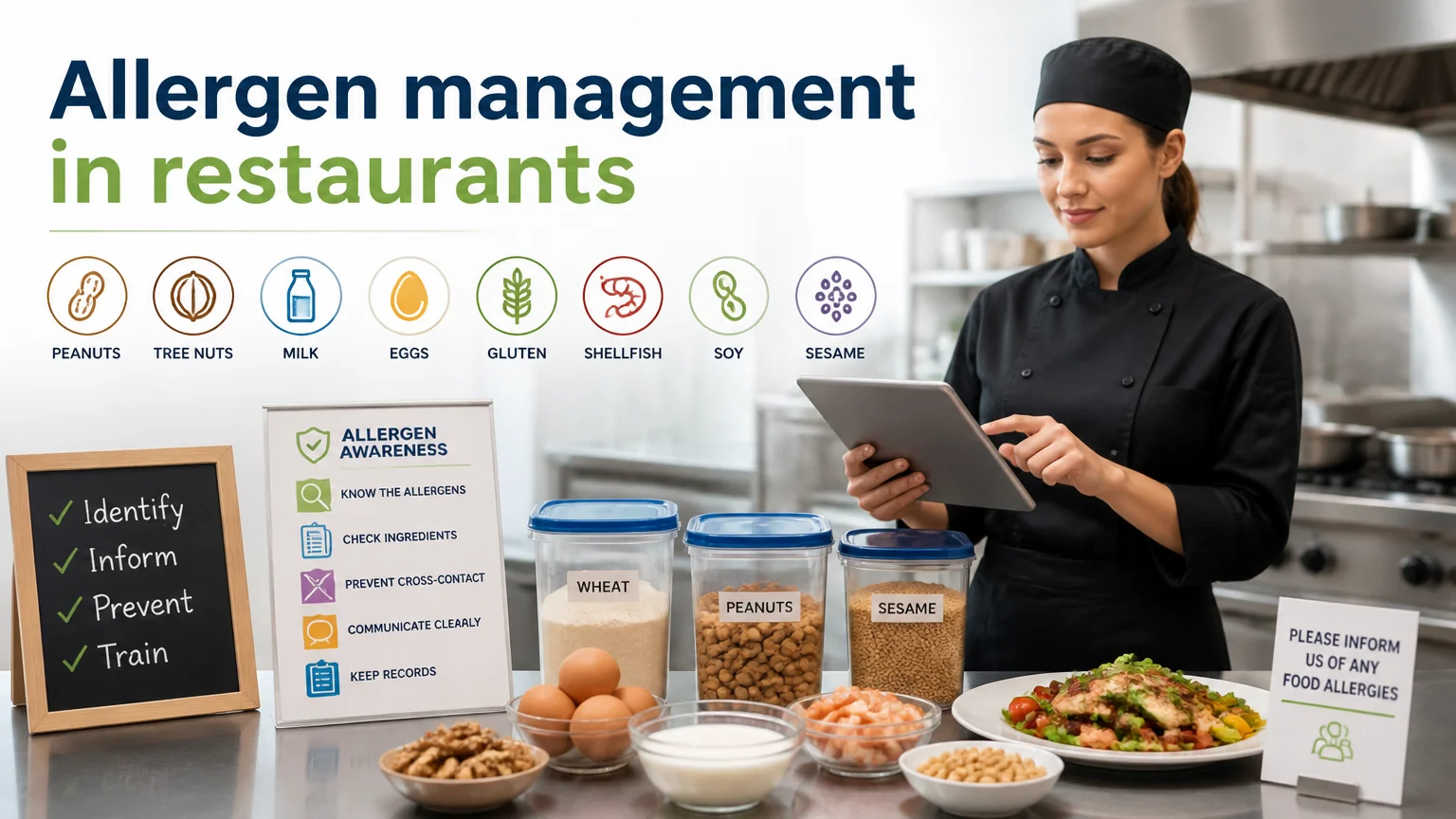
Pay special attention to food allergens. If you are cooking for someone with allergies, be sure to avoid cross-contamination with the relevant allergens. Use separate utensils and cutting boards to avoid any accidental contact.
Cross-contamination is an invisible threat, but with a little knowledge and caution, you can protect your health and that of your family. Turn these tips into daily habits and enjoy safe and delicious meals! Remember, prevention is the best medicine. Cook safely!
Raw foods, especially meat, poultry, fish, and seafood, are most likely to cause cross-contamination due to the presence of harmful bacteria.
Wash cutting boards with hot water and soap after each use. Then, disinfect them with a bleach solution (1 teaspoon of bleach per quart of water). Allow the solution to sit for a few minutes and then rinse with clean water.
Generally, cooked foods can be stored in the refrigerator for 3 to 4 days. Be sure to store them in airtight containers.
If you think you have suffered cross-contamination and have symptoms such as nausea, vomiting, or diarrhea, consult a doctor.
Yes, there are special products such as disinfectant kitchen wipes and disinfectant sprays that can help prevent cross-contamination. However, hand washing and regular cleaning and disinfection remain the most important measures.
Search
Popular searches