For Onlinecourses55
|
2026-05-25
For Onlinecourses55
|
2026-05-25
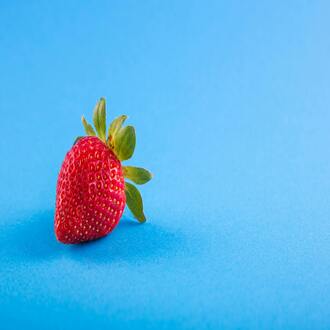
Foods suitable for celiacs - allergens
If you are exploring gluten-related issues, this tailored course on gluten and food allergies will equip you with valuable insights for a healthier lifestyle.
Hello everyone! Have you ever felt bloated, tired, or uncomfortable after eating bread, pasta, or pizza? You might be celiac, or have gluten sensitivity. Don''t worry, you are not alone! In this article, we will guide you through the world of celiac-friendly foods, so you can enjoy a delicious and healthy gluten-free diet. Get ready to discover a ton of tasty options and learn how to live gluten-free with joy and ease.
Celiac disease is an autoimmune reaction to gluten, a protein found in wheat, barley, and rye. Think of your immune system as an army protecting your body. In people with celiac disease, this "army" attacks the lining of the small intestine when it detects gluten, damaging it and hindering nutrient absorption. It''s as if your body confuses gluten with a dangerous invader.
It is important to distinguish between celiac disease and non-celiac gluten sensitivity. Although both involve a negative reaction to gluten, celiac disease is an autoimmune condition diagnosed with specific tests, while non-celiac gluten sensitivity causes similar symptoms but without the associated intestinal damage. Imagine that celiac disease is like having a severe allergy, while gluten sensitivity is like having a mild intolerance.
The symptoms of celiac disease vary greatly from person to person. Some people experience digestive symptoms such as diarrhea, bloating, and abdominal pain. Others may have non-digestive symptoms such as fatigue, anemia, skin rashes, headaches, and neurological problems. It is as if celiac disease were a chameleon, changing its appearance depending on the person. The only way to know for sure if you have celiac disease is to consult a doctor and undergo the relevant tests.
Good news! There are plenty of delicious foods that are naturally gluten-free. These foods should be the foundation of your gluten-free diet. Think of it this way: you will build a solid house on strong foundations.
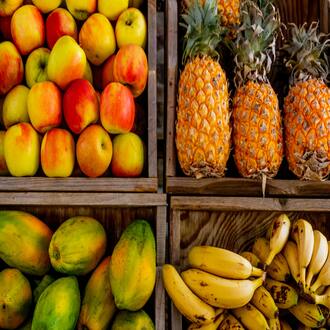
Nature offers us a great variety of delicious and nutritious fruits and vegetables that are naturally gluten-free! Apples, bananas, oranges, strawberries, broccoli, carrots, spinach... the list is endless! You can eat them fresh, cooked, in smoothies, or in salads. Imagine your plate is a canvas and fruits and vegetables are the colors that allow you to create culinary works of art.
Although wheat, barley, and rye are prohibited, there are many other delicious grains you can enjoy. Rice (in all its varieties), corn (in the form of tortillas, popcorn, etc.), quinoa, amaranth, millet, and buckwheat are excellent options. Note! Buckwheat, despite its name, has nothing to do with wheat and is completely safe. Think of these grains as the new protagonists of your dishes, replacing wheat with flavor and nutrition.
Meats, fish, eggs, and legumes are excellent sources of protein that are naturally gluten-free. You can enjoy chicken, beef, pork, fish, seafood, eggs, beans, lentils, chickpeas, and tofu without worrying about gluten. Make sure they are not breaded or marinated with sauces that contain gluten. Visualize these foods as the building blocks of your body, providing the energy and nutrients you need to stay strong and healthy.
This is where things get a bit more complicated. Many processed foods can contain hidden gluten. It is essential to learn to read food labels carefully to avoid unpleasant surprises.
Look for products that are certified as "gluten-free" by a recognized organization. This means they have been tested and meet safety standards for people with celiac disease. Look for reliable certification seals on the packaging. Think of these seals as a guarantee that assures you the product is safe for consumption.
Cross-contamination occurs when gluten-free foods come into contact with foods that contain gluten. This can happen in the kitchen if you use the same utensils, cutting boards, or surfaces to prepare foods with and without gluten. It is crucial to thoroughly clean all surfaces and utensils before preparing gluten-free food. Imagine that gluten is an invisible bacterium that can contaminate your food if you don''t take precautions.
The gluten-free diet doesn''t have to be boring! There are plenty of delicious and easy-to-prepare recipes that you can enjoy. Here are some ideas to inspire you:
Living gluten-free might seem like a challenge at first, but with a little planning and organization, you can adapt easily.
Planning your meals in advance will help you avoid the temptation of eating gluten-containing foods. Make a shopping list of gluten-free foods and plan your weekly menus. This way, you will always have healthy and delicious options on hand. Think of planning as a shield that protects you from poor dietary choices.
Eating out gluten-free requires a little research and preparation, but it is not impossible. Call the restaurant ahead of time to ask about their gluten-free options and be sure to communicate your needs to the waiter. Many restaurants are willing to adapt their dishes for people with celiac disease. Consider carrying a card with you that explains your dietary needs in the local language.
The gluten-free diet may seem restrictive at first, but it is actually an opportunity to discover new flavors and foods. With a little knowledge, planning, and creativity, you can enjoy a delicious and healthy gluten-free diet. Don''t give up! Remember that your health is the most important thing. Enjoy gluten-free living!
What foods should I completely avoid if I am celiac?
You must avoid all foods containing wheat, barley, and rye. This includes bread, pasta, cookies, cakes, cereals, beer, and many processed foods. Always read labels carefully.
How can I tell if a product is truly "gluten-free"?
Look for "gluten-free" certification from a recognized organization. Additionally, read the ingredient list carefully and avoid products containing wheat, barley, rye, or derivatives of these grains.
What happens if I accidentally eat gluten?
If you accidentally eat gluten, you may experience symptoms such as abdominal pain, diarrhea, bloating, and fatigue. Rest, hydrate, and follow a bland diet until you feel better. If symptoms persist, consult your doctor.
Is it necessary to take supplements if I follow a gluten-free diet?
You may need to take vitamin and mineral supplements, especially if you have nutritional deficiencies due to intestinal damage caused by celiac disease. Consult your doctor or a dietitian to determine if you need supplements.
Is the gluten-free diet only for celiacs?
The gluten-free diet is essential for people with celiac disease. However, some people with non-celiac gluten sensitivity may also benefit from a gluten-free diet to alleviate their symptoms.
Search
Popular searches