ForOnlinecourses55
Which foods contain gluten? - allergens
Hello everyone! If you are here, you are probably wondering what gluten is and in which foods it hides. Don''t worry! In this complete guide, I will explain everything you need to know about gluten, the foods that contain it, gluten-free alternatives, and how to successfully maintain a gluten-free diet. So, get ready to become a gluten expert!
Gluten is a protein found in certain cereals, such as wheat, barley, and rye. Imagine it is like the glue that gives elasticity and consistency to dough for bread, pizza, or pasta. Thanks to gluten, we can enjoy fluffy bread and pasta that doesn''t fall apart.
For most people, gluten does not pose any problem. However, for others, it can be the cause of discomfort and health issues. People with celiac disease, non-celiac gluten sensitivity, or wheat allergy need to avoid gluten to feel well. Therefore, it is crucial to know which foods contain it to make informed decisions about our diet.
Here is a detailed list of foods that contain gluten. Take note!
Wheat is the cereal that contains the most gluten. We find it in many forms: wheat flour, wheat semolina, wheat bran, etc. It is present in bread, pasta, cookies, cakes, and many other baked goods.
Barley is used in the production of beer, malt, and some breakfast cereals. It can also be found in soups and stews.
Rye has a characteristic flavor and is used to make bread, crackers, and some types of whiskey.
Most breads, rolls, croissants, and other bakery products are made with wheat flour and, therefore, contain gluten.
Traditional pasta is made with wheat semolina, which means it contains gluten. This includes spaghetti, macaroni, lasagna, ravioli, and many other types of pasta.
Some sauces, such as soy sauce, teriyaki sauce, and some salad dressings, may contain gluten as a thickener or stabilizer.
Not all is lost! Fortunately, there are many delicious foods that are naturally gluten-free.
Rice: Rice is a versatile and gluten-free grain. It can be used to prepare white rice, brown rice, basmati rice, jasmine rice, and many other dishes.
Corn: Corn is another gluten-free grain used to make tortillas, popcorn, corn flour, and other products.
Other gluten-free grains: Quinoa, amaranth, millet, sorghum, and certified gluten-free oats.
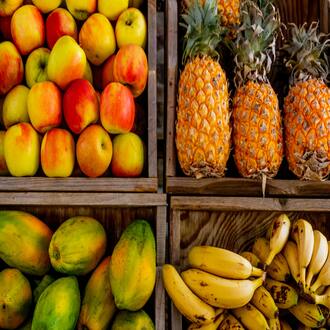
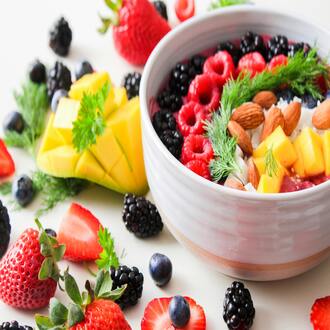
All fresh fruits and vegetables are naturally gluten-free. Enjoy a wide variety of colors and flavors!
Fresh meats and fish, without breading or marinating in sauces that contain gluten, are gluten-free.
Gluten-free certification seals are a good guide, but they are not always infallible. Make sure the seal is from a recognized organization and verify that the product meets the certification standards.
Planning your meals in advance will help you avoid the temptation to eat foods with gluten. Make a shopping list and make sure you have gluten-free ingredients handy.
There are many gluten substitutes available on the market. You can find gluten-free bread, gluten-free pasta, gluten-free flour, and many other products.
Cross-contamination occurs when a gluten-free food comes into contact with a food that contains gluten. To avoid cross-contamination, use clean kitchen utensils and surfaces, wash food thoroughly, and separate gluten-containing foods from gluten-free foods.
Celiac disease is an autoimmune disease in which gluten damages the lining of the small intestine. People with celiac disease must avoid gluten completely.
Non-celiac gluten sensitivity is a condition in which gluten causes symptoms similar to those of celiac disease, but without intestinal damage. People with non-celiac gluten sensitivity may feel better by avoiding gluten.
Wheat allergy is an allergic reaction to wheat proteins, including gluten. People with wheat allergy must avoid all products that contain wheat.
Congratulations! Now you know much more about gluten and how to identify it in foods. Whether you have celiac disease, gluten sensitivity, or simply want to reduce your gluten consumption, I hope this guide has been useful to you. Remember, following a gluten-free diet can be easy and delicious if you have the correct information and organize yourself well. Enjoy gluten-free food!
What is certified gluten-free oatmeal/oats? Certified gluten-free oats are oats that have been grown and processed in such a way that cross-contamination with other gluten-containing cereals is avoided.
Can I eat gluten-free soy sauce? Yes, there are gluten-free soy sauce brands. Look for the gluten-free certification on the label or verify that it is made without wheat.
Does corn starch contain gluten? No, pure corn starch is naturally gluten-free.
Is being celiac the same as having gluten sensitivity? No, they are different conditions. Celiac disease is an autoimmune disease, while non-celiac gluten sensitivity is not.
Where can I find gluten-free products? Most supermarkets have a gluten-free products section. You can also find gluten-free products in natural food stores and online.