For Onlinecourses55
|
2026-03-31
For Onlinecourses55
|
2026-03-31

Lifestyle for endomorphs - diets endomorphs
If you feel misunderstood with your body type, embrace a deeper understanding through our informative course designed for endomorphs that guides you toward a healthier lifestyle.
Hello everyone! Have you ever wondered why it seems like you gain weight just by looking at a cake? Or maybe you feel that building muscle is an uphill battle. If you identify with this, you might be an endomorph. Don't worry! Being an endomorph is not a sentence, but an invitation to understand your body and adapt a lifestyle that allows you to feel and look great. This guide will provide you with the keys to achieving this.
Before diving into the tips, let's define what an endomorph is. Simply put, it is one of the three basic somatotypes (the others being ectomorph and mesomorph) that describe body shape and composition.
Endomorphs usually have a more robust constitution, with a greater tendency to accumulate body fat, especially around the abdomen. They also tend to have a larger bone structure and wider shoulders. Does this sound familiar?
One of the distinctive characteristics of endomorphs is their metabolism, which tends to be slower compared to the other somatotypes. This means the body burns calories at a slower rate, which facilitates fat accumulation if adequate habits are not adopted.
If you are an endomorph, nutrition is your best friend. It's not about doing restrictive and torturous diets, but about adopting a balanced and conscious approach.
Proteins are fundamental for building and maintaining muscle mass, which in turn accelerates metabolism. Think lean meats, fish, eggs, legumes, and low-fat dairy products. Healthy fats, such as those found in avocado, nuts, and olive oil, are also important for hormonal health and satiety.
Here comes the part that can be a bit challenging. Carbohydrates are quickly converted into glucose, which, if not used as energy, is stored as fat. It is not about eliminating them completely, but about choosing the right carbohydrates and consuming them in adequate amounts. Opt for complex carbohydrates, such as vegetables, fruits in moderation, and whole grains, and consume them preferably before or after training.
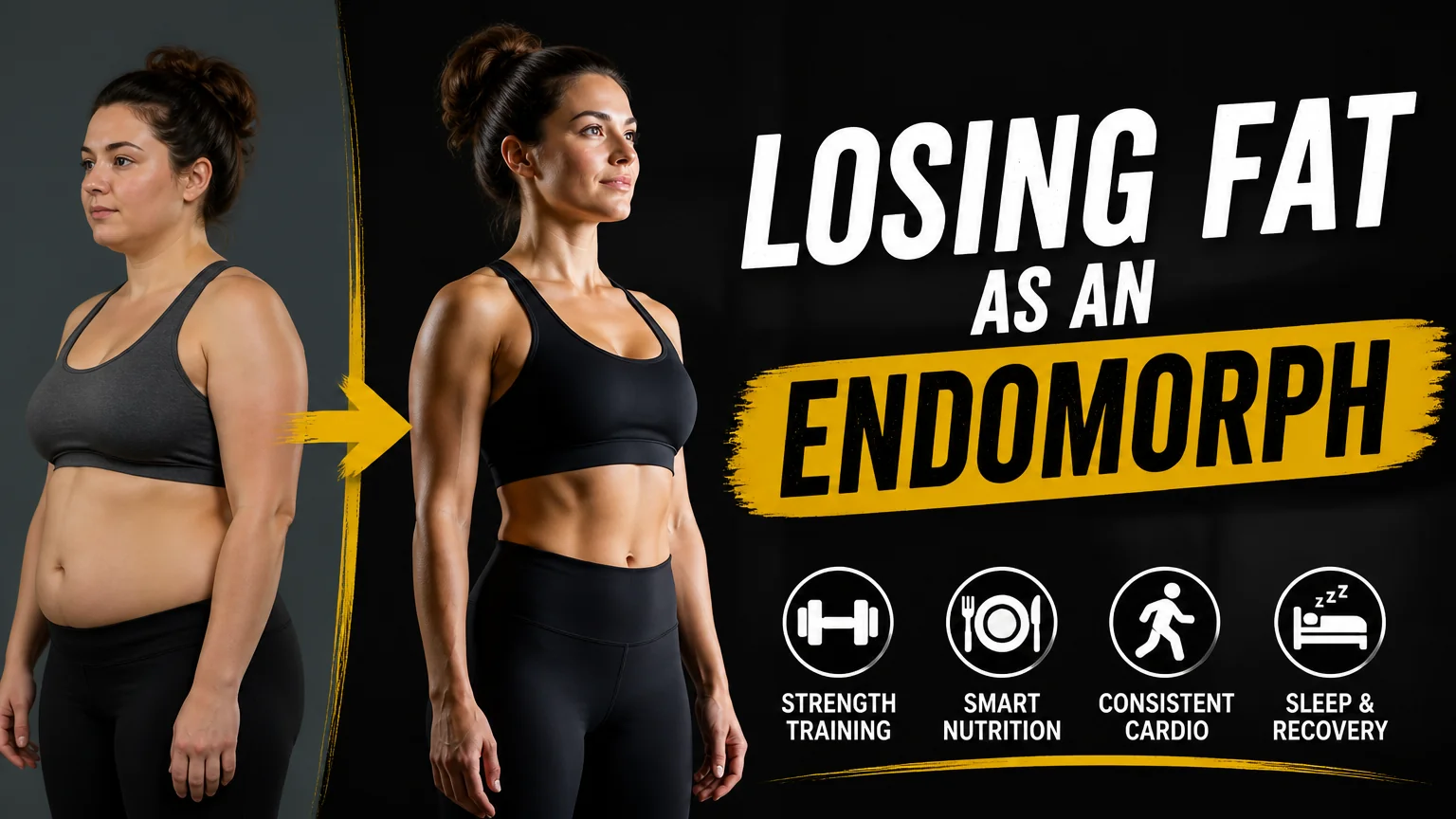
Training is the perfect complement to good nutrition. The goal is to burn fat, build muscle, and accelerate metabolism.
Cardio is excellent for burning calories, but not all types of cardio are equal. High-Intensity Interval Training (HIIT) is especially effective for endomorphs, as it boosts metabolism during and after the workout. Alternate short bursts of intense exercise with recovery periods.
Strength training is crucial for building muscle mass, which in turn increases basal metabolism (the amount of calories you burn at rest). Don't be afraid of weights—they are your allies!
A healthy lifestyle goes beyond what you eat and how you move.
Getting enough sleep (7-8 hours per night) is crucial for muscle recovery, hormonal regulation, and appetite control. Lack of sleep can increase cortisol levels (the stress hormone), which can lead to abdominal fat accumulation.
Chronic stress is a silent enemy. It raises cortisol levels, which can sabotage your weight loss efforts.
Remember that every body is unique. What works for one person may not work for another.
Pay attention to how you feel after eating certain foods or performing certain exercises. Adjust your diet and training routine according to your own needs and preferences.
Don't punish yourself for mistakes. The important thing is to be consistent and maintain a healthy lifestyle long-term.
Being an endomorph is not a disadvantage, but a unique characteristic. With smart nutrition, proper training, and healthy habits, you can transform your body and feel incredible. Remember that consistency and adapting to your own needs are key! Keep going!
Is it possible to lose weight as an endomorph? Absolutely! With the right diet and exercise, you can lose weight and keep it off long-term.
What type of cardio is best for endomorphs? HIIT (High-Intensity Interval Training) is highly recommended.
Should I avoid carbohydrates completely? No, it is not necessary to eliminate them entirely. Opt for complex carbohydrates and consume them in moderation.
How much exercise should I do per week? Aim for at least 150 minutes of moderate to vigorous exercise per week, combining cardio and strength training.
How long does it take to see results? Consistency is key. You can start seeing results in a few weeks, but real transformation takes time and dedication.