For Onlinecourses55
|
2026-07-28
For Onlinecourses55
|
2026-07-28

Does genetics influence the endomorph body type? - diets endomorphs
Learn the secrets of diet and genetics with our informative nutrition course specifically crafted for endomorphs and design your path to healthier living.
Hello! Have you ever wondered why some people seem to gain weight just by looking at a pizza, while others can eat whatever they want without gaining an ounce? The answer, as is often the case in life, is complex, but genetics plays a crucial role, especially when we talk about the endomorph body type. Let's explore!
Before diving into the core of genetics, it's important to understand the different body types. Imagine we are sculptors, and each of us starts with a different raw material.
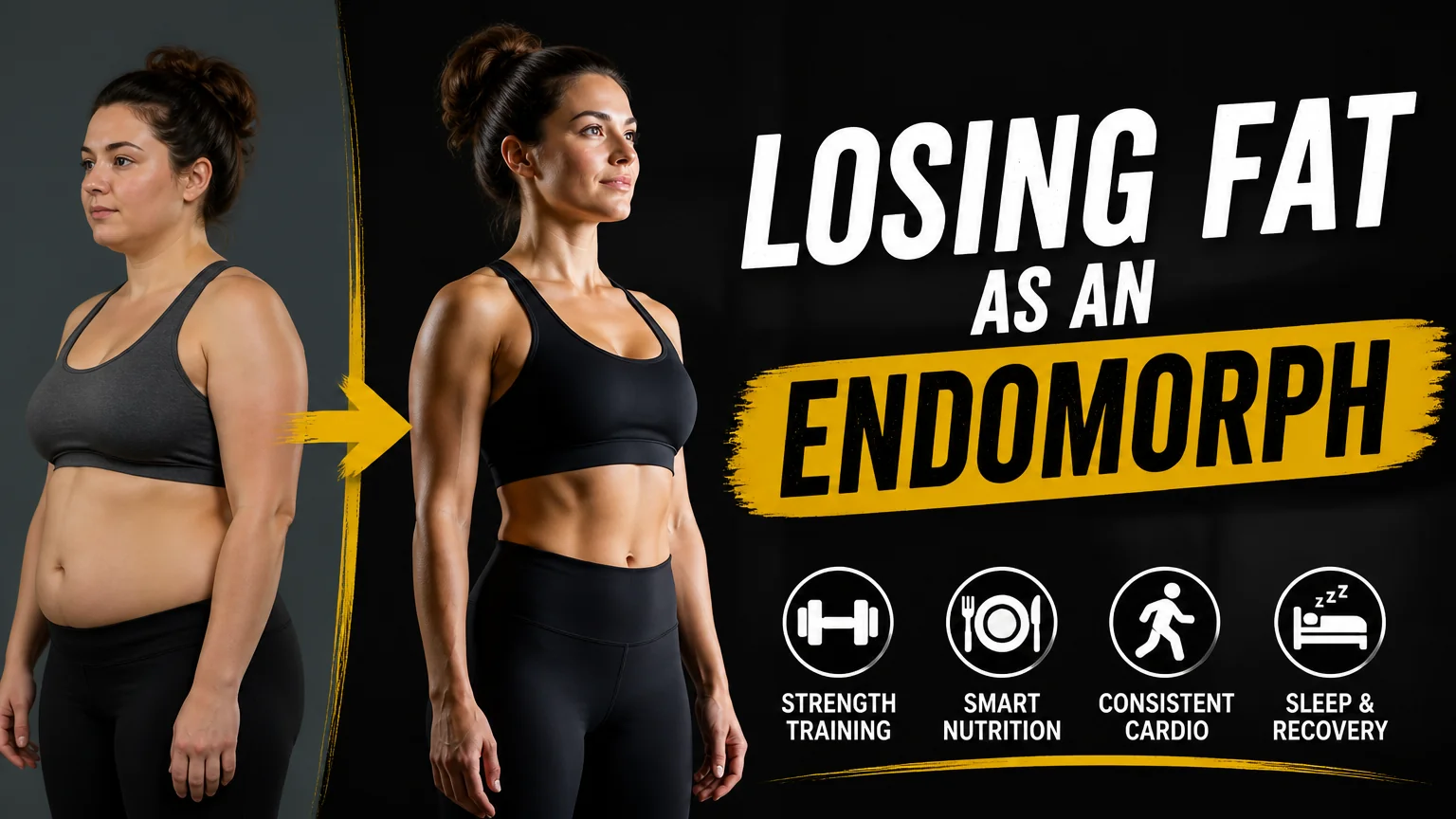
An endomorph tends to have a more rounded build, with a higher proportion of body fat and a tendency to gain weight easily. Their metabolism may be slower, and they often have a larger bone structure. Don't worry, it's not a life sentence! It simply means you should pay a little extra attention to your diet and exercise.
This is where the science gets interesting. Genetics is like your body's original blueprint. It determines many things, from the speed of your metabolism to the way your body stores fat.
Some genes influence the efficiency with which your body burns calories. If you have genes that make your metabolism slower, you are likely more prone to being an endomorph. But don't despair! This doesn't mean you are condemned, just that you have to work a little harder.
Have you ever wondered why some people accumulate fat in their abdomen and others in their hips? Guess what! It also depends on your genes. Certain genes influence where fat is stored in your body. In endomorphs, it is usually in the abdomen, hips, and thighs.
Not everyone is born with the same capacity to develop muscle. Some genes facilitate muscle growth, while others make it difficult. Endomorphs may have more difficulty gaining muscle mass than mesomorphs, but with the right training, it is entirely possible!
Good news! Genetics is not the only determining factor. Your lifestyle plays a crucial role. Diet, exercise, and stress management can significantly influence your body type.
For an endomorph, diet is key. Consuming too many calories, especially from processed and sugary foods, can lead to weight gain. Opting for a diet rich in protein, fiber, and healthy fats can help control weight and improve body composition.
Exercise is fundamental for everyone, but especially for endomorphs. Not only does it help burn calories, but it also improves insulin sensitivity, which facilitates fat loss and muscle development.
Have you noticed that when you are stressed, you tend to eat more? Stress can increase cortisol levels, a hormone that can promote fat storage, especially in the abdomen. Learning to manage stress is crucial for maintaining a healthy weight.
Now that you understand how genetics and lifestyle influence your body, it's time to take control!
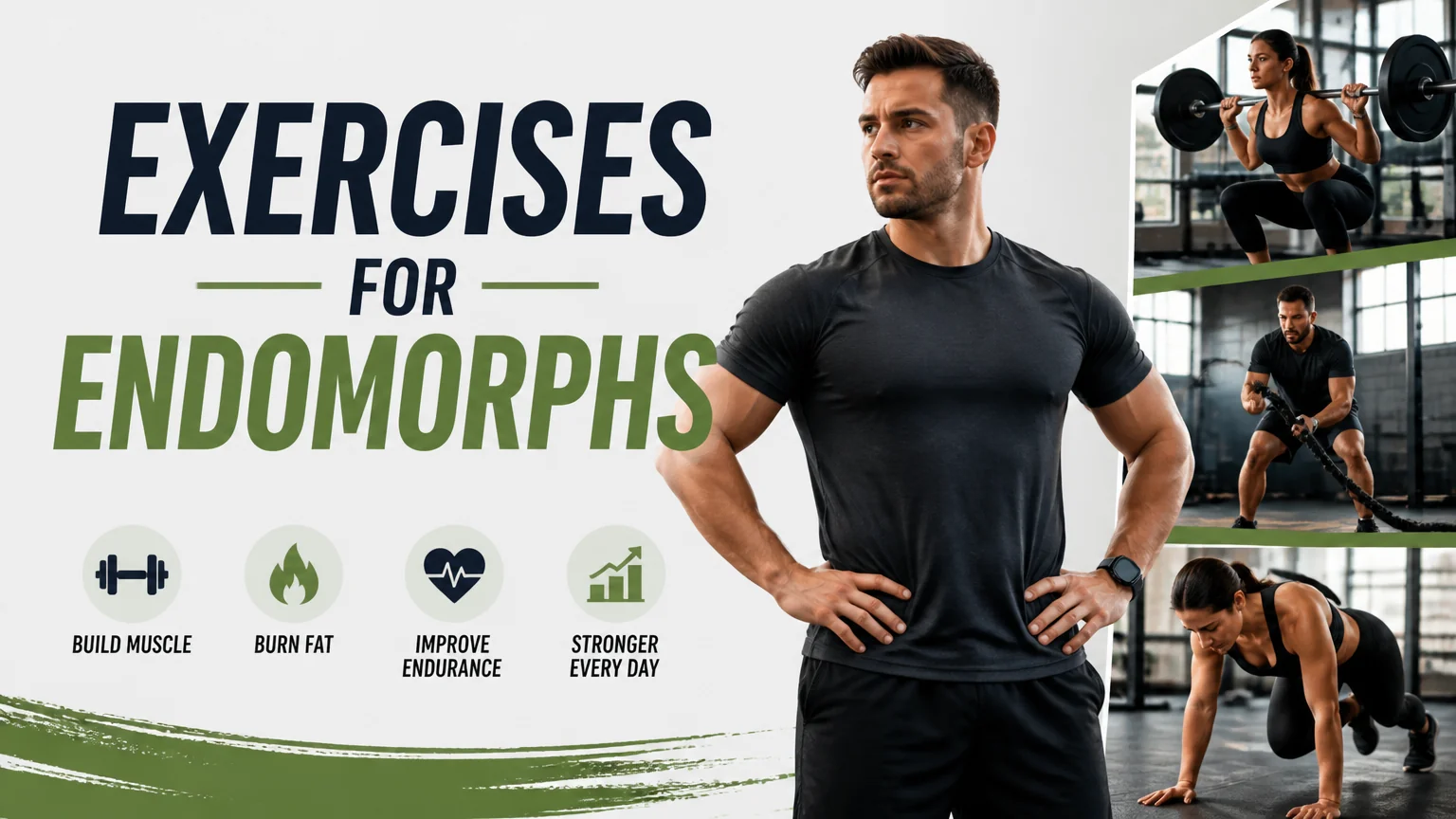
Cardio is excellent for burning calories. Try running, swimming, cycling, or doing HIIT (High-Intensity Interval Training).
Strength training is crucial for building muscle. Lifting weights, doing bodyweight exercises, or using resistance bands will help you increase your muscle mass and speed up your metabolism. Don't be afraid of the weights!
In summary, genetics plays a role in the endomorph body type, but it is not the only factor. Adopting a healthy lifestyle, including a balanced diet, regular exercise, and stress management, can help you optimize your health and feel better about yourself. Remember, the important thing is to accept yourself and work with what you have to achieve your goals! It's not about changing who you are, but about being the best version of yourself.
Search
Popular searches