For Onlinecourses55
|
2026-08-25
For Onlinecourses55
|
2026-08-25

Meal planning for endomorphs - diets endomorphs
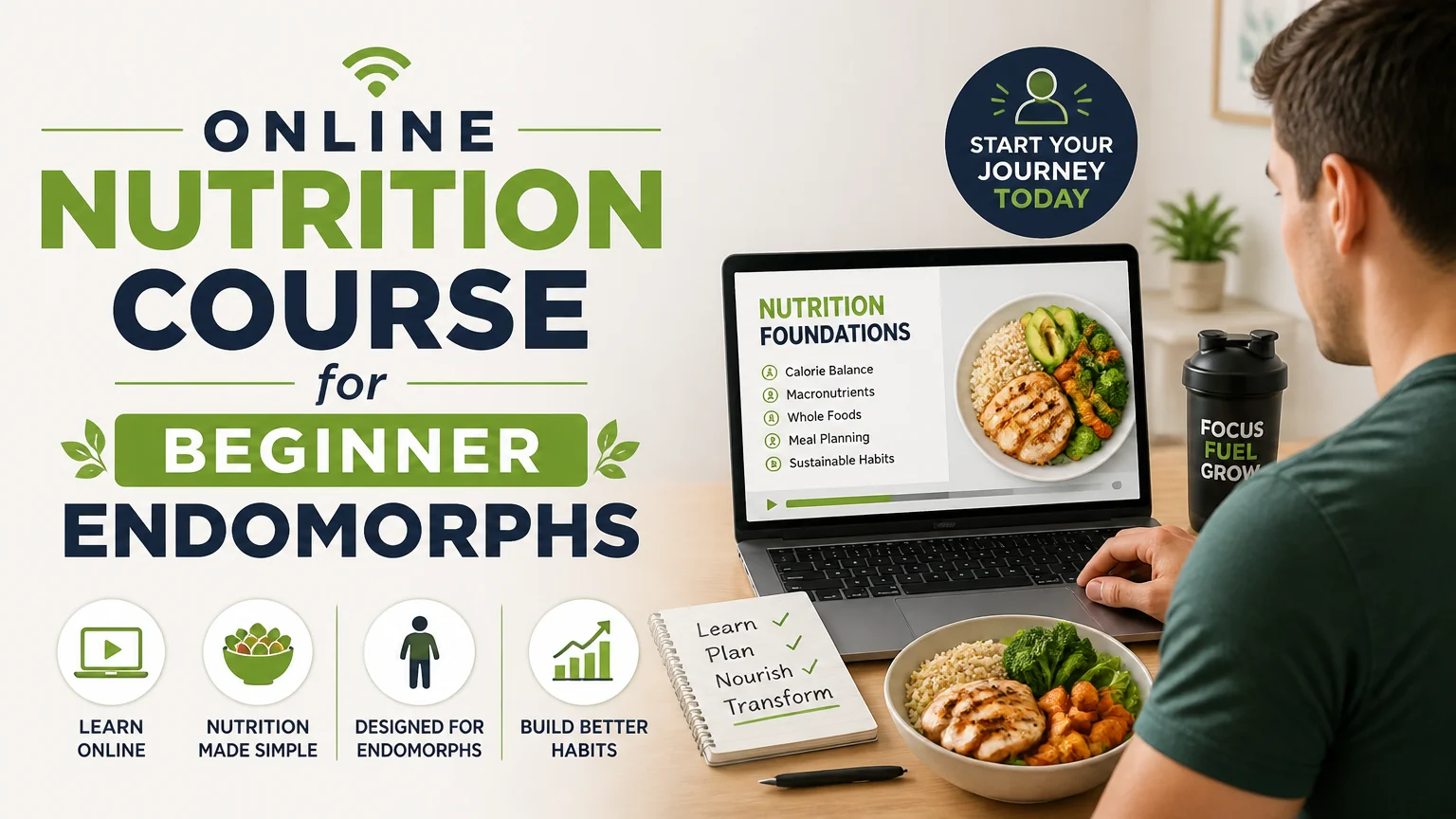
For endomorphs wanting to take control of their meal planning, our in-depth nutrition course offers valuable insights to help you navigate your dietary challenges.
Hello! Are you an endomorph and struggle to lose weight? Don't worry, you are not alone! Many of us have this body type, which is characterized by a greater ease in gaining muscle mass and fat. But watch out, this doesn't mean you are condemned to a life of frustrating diets. With good meal planning, you can achieve your goals effectively and healthily. In this complete guide, I will give you all the tools you need to succeed. Let's get started!
Before diving into meal planning, it is important to understand what it means to be an endomorph. We are different, right? Well, body types (somatotypes) are a way of categorizing people's physical constitution. The three main ones are: ectomorph (slender and struggling to gain muscle mass), mesomorph (athletic and easily gaining muscle mass and losing fat), and endomorph (with a tendency to accumulate fat and gain muscle more easily).
Endomorphs typically have:
Having a slower metabolism may seem like a disadvantage, but it is not necessarily! It means you need to be more mindful of your diet and physical activity to maintain a healthy weight. The good news is that, with proper planning, you can optimize your metabolism and use it to your advantage.
Why should you take the time to plan your meals? For many reasons!
Planning allows you to control the calories and macronutrients (proteins, carbohydrates, and fats) you consume. This is fundamental for losing fat and maintaining muscle mass.
Eating the right foods at the right time provides you with the energy you need for your daily activities and workouts. Say goodbye to fatigue and lack of motivation!
Planning your meals eliminates the need to make impulsive and unhealthy decisions when you are hungry. Say goodbye to cravings and fast food!
Now, let's get down to business. What are the key principles for planning your meals as an endomorph?
Protein is essential for building and maintaining muscle mass, and it also helps you feel satisfied for longer. Include lean protein sources in every meal, such as chicken, turkey, fish, eggs, legumes, and tofu.
Carbohydrates are not the enemy, but you must consume them in moderation and at the right time! Prioritize complex carbohydrates, such as vegetables, fruits, whole grains (quinoa, oats, brown rice), and tubers (potatoes, sweet potatoes). Consume most of your carbohydrates around your workouts to get energy and replenish glycogen levels.
Healthy fats are fundamental for hormonal health, vitamin absorption, and the feeling of satiety. Include sources of healthy fats such as avocado, olive oil, nuts, seeds, and fatty fish (salmon, tuna, sardines).
Fiber helps you feel full longer, regulates blood sugar, and improves digestion. It's a real wonder! Include sources of fiber in every meal, such as vegetables, fruits, legumes, and whole grains.
Here is an example meal plan to give you an idea. Remember that you can adjust it to your preferences and needs!
Do you want your planning to be a success? Follow these tips!
Dedicate a few hours each week to plan your meals, shop, and prepare some food in advance. This will save you time and prevent you from resorting to unhealthy options when you are hungry.
Don't be afraid to experiment and adjust your meal plan to your tastes and needs. The key is to find a plan that you can follow long-term.
Keep track of your progress and make adjustments to your meal plan as needed. Pay attention to how you feel and the results you are obtaining.
For a quick guide, here is a list of recommended and not-so-recommended foods.
Nutrition is fundamental, but exercise is the perfect complement.
Eat a meal rich in complex carbohydrates and protein a few hours before your workout for energy. After training, consume a meal rich in protein and simple carbohydrates to replenish glycogen levels and promote muscle recovery.
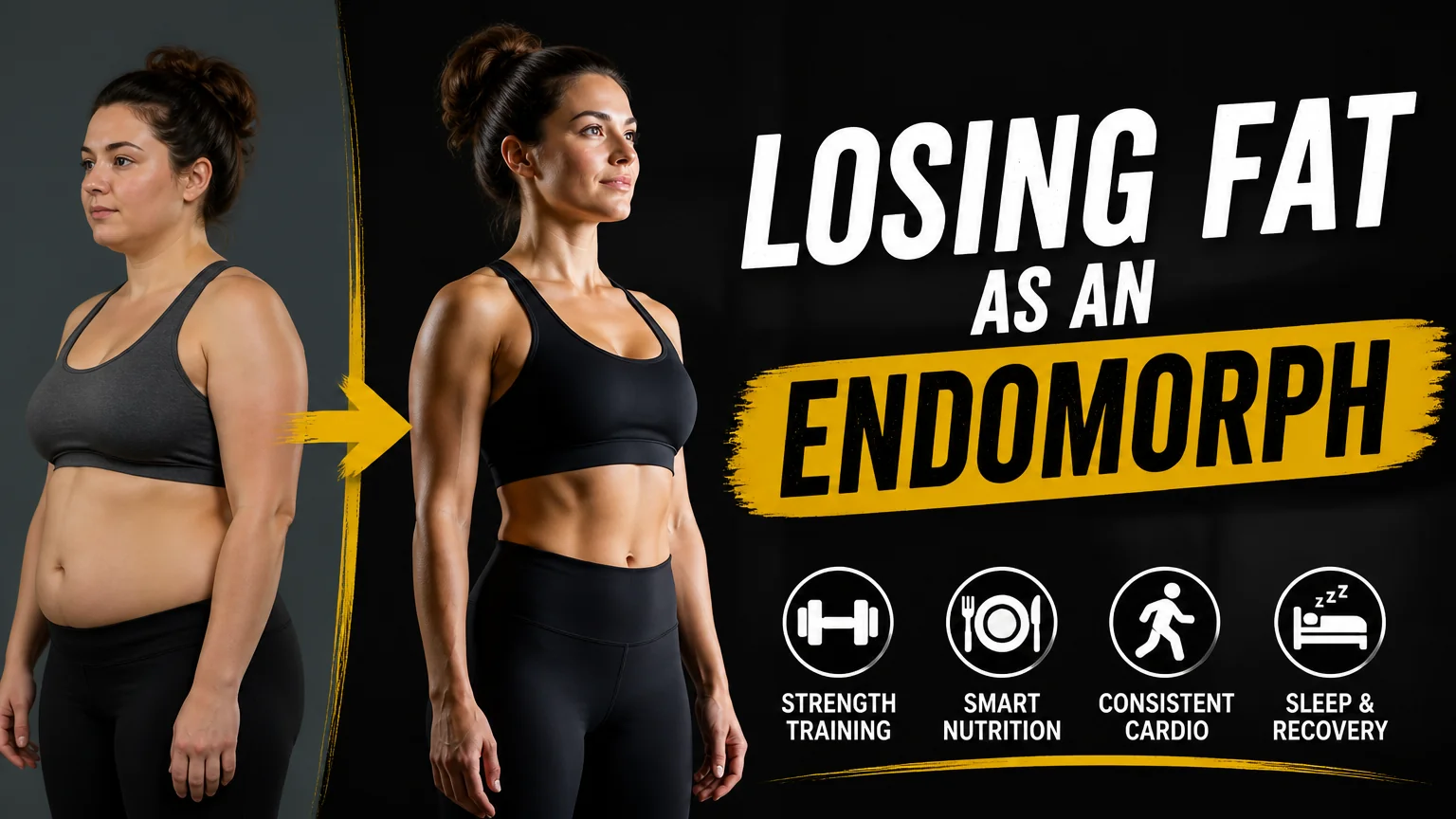
Cardiovascular exercise helps you burn calories and improve your cardiovascular health. Strength training helps you build muscle mass, which in turn boosts your metabolism. Combine both for the best results!
There are many myths about dieting for endomorphs. Let's debunk them!
False! Endomorphs can lose weight by following a balanced diet and exercising regularly.
False! Carbohydrates are an important energy source. You just need to consume them in moderation and choose the correct options.
Some supplements may be useful for endomorphs, but it is important to use them with caution and under professional supervision.
Protein powder can be useful for increasing protein intake, especially after training.
Creatine can improve athletic performance and help build muscle mass.
Omega-3 fatty acids are beneficial for cardiovascular health, brain function, and reducing inflammation.
Being an endomorph is not a sentence. With smart meal planning, regular exercise, and a positive attitude, you can achieve your health and fitness goals. Don't give up! Take control of your health and start building the body you desire. You can do it!
It depends on your activity level, age, sex, and goals. A nutritionist can help you determine your individual caloric needs.
Eating every 3-4 hours can help you keep blood sugar stable and control hunger.
Of course! The key is moderation. Don't deprive yourself of your favorite foods, but enjoy them in moderation.
Results vary from person to person, but with consistency and dedication, you can start seeing changes in a few weeks.
It is not necessary, but a nutritionist can help you create a personalized meal plan and ensure you are getting all the nutrients you need.
Search
Popular searches