For Onlinecourses55
|
2026-09-15

Food to gain muscle mass for endomorphs - diets endomorphs
If you're dreaming of a muscular build as an endomorph, our tailored online course provides the strategies necessary for muscle gain while addressing your unique dietary needs.
Hello! If you’re an endomorph and dream of building a muscular physique, you’re in the right place! We know it’s not the easiest path, but with proper nutrition, the right training, and a little patience, you can achieve your goals. Let’s break down everything you need to know to fuel your body properly and build the muscle mass you want so much, one healthy habit at a time.
Being an endomorph means you have a genetic predisposition to store fat more easily and gain muscle as well, but you may find it harder to maintain muscle definition. Endomorphs generally have a rounder build, with wider hips and narrower shoulders. These are broad tendencies, and individual body shapes and responses to training can vary considerably.
Some common characteristics of endomorphs include:
Nutrition is the essential piece of the puzzle. You can’t build a house without bricks, right? Well, you can’t build muscle without the right nutrients. Here are the foundations of a diet for an endomorph looking to build muscle. Consistency with balanced meals can also make it easier to support your training and recovery over time.
Protein is the building block of muscle. It’s essential for muscle repair and growth after training. Aim to consume around 1.6 to 2.2 grams of protein per kilogram of body weight per day. Spreading your protein across meals can be a practical way to reach your daily target.
Excellent sources of protein:
Carbohydrates are your main source of energy, but not all carbohydrates are the same. Endomorphs should prioritize complex, fiber-rich carbohydrates and eat most of their carbs around their workouts. Choosing minimally processed foods can also help make meals more satisfying.
Recommended complex carbohydrates:
When should you eat them? Prioritize carbohydrates before and after your workout to provide energy and replenish muscle glycogen. The amount and timing can be adjusted to suit your schedule and personal needs.
Healthy fats are crucial for hormonal health, vitamin absorption, and brain function. Don’t avoid them! Just choose the right ones and keep your portions in check. Including a moderate amount as part of balanced meals can help you feel satisfied.
Recommended healthy fats:
Here’s a sample meal plan to give you an idea of how to structure your diet. You can adjust the portions and ingredients to fit your preferences and daily routine:
Supplements can be useful for complementing your diet, but they aren’t essential. It depends on your individual needs and preferences. Focus first on a balanced diet, regular training, and adequate rest.
Creatine is one of the most researched and effective supplements for increasing strength and muscle size.
Protein powder is a convenient way to meet your daily protein needs, especially after a workout. It can also be useful when a regular meal isn’t practical.
BCAAs (branched-chain amino acids) may help reduce muscle fatigue and improve recovery.
Watch out for these pitfalls! Avoiding these common mistakes will help you stay on track. Making small, manageable changes is often more sustainable than trying to change everything at once.
Endomorphs tend to gain weight easily, so it’s crucial to monitor your calorie intake.
Solution: Calculate your calorie needs and track your meals. Review your habits regularly and make gradual adjustments when needed.
Lack of planning can lead to unhealthy food choices.
Solution: Prepare your meals in advance and keep healthy snacks on hand. A little preparation can make it easier to stick with your goals on busy days.
Diet is important, but training is just as crucial for building muscle and burning fat.
Solution: Combine a healthy diet with an effective training program. Give your body enough time to recover between challenging workouts.
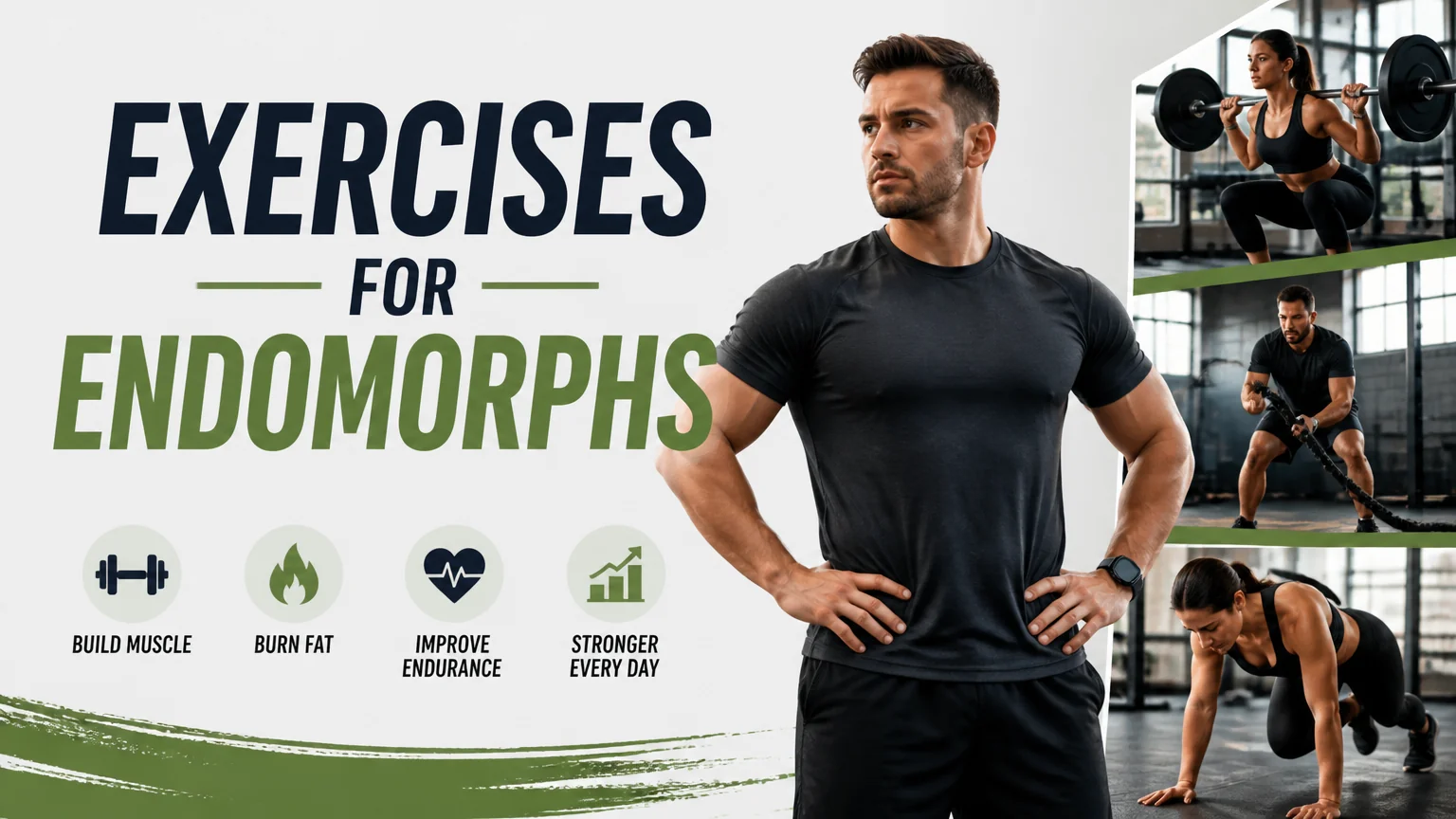
A combination of cardio and strength training is ideal for endomorphs. Strength training helps you build muscle, while cardio helps you burn fat. Choose activities you enjoy so you can maintain a regular routine.
HIIT (high-intensity interval training) is an excellent option for burning fat and improving cardiovascular fitness. Start at a level that feels manageable and allow yourself enough recovery between sessions.
Healthy food doesn’t have to be boring! These simple meal ideas combine satisfying ingredients and can be adapted to suit your tastes.
Recording your meals helps you become more aware of what you’re eating and monitor your calorie intake. It can also help you notice patterns and decide where small changes may be useful.
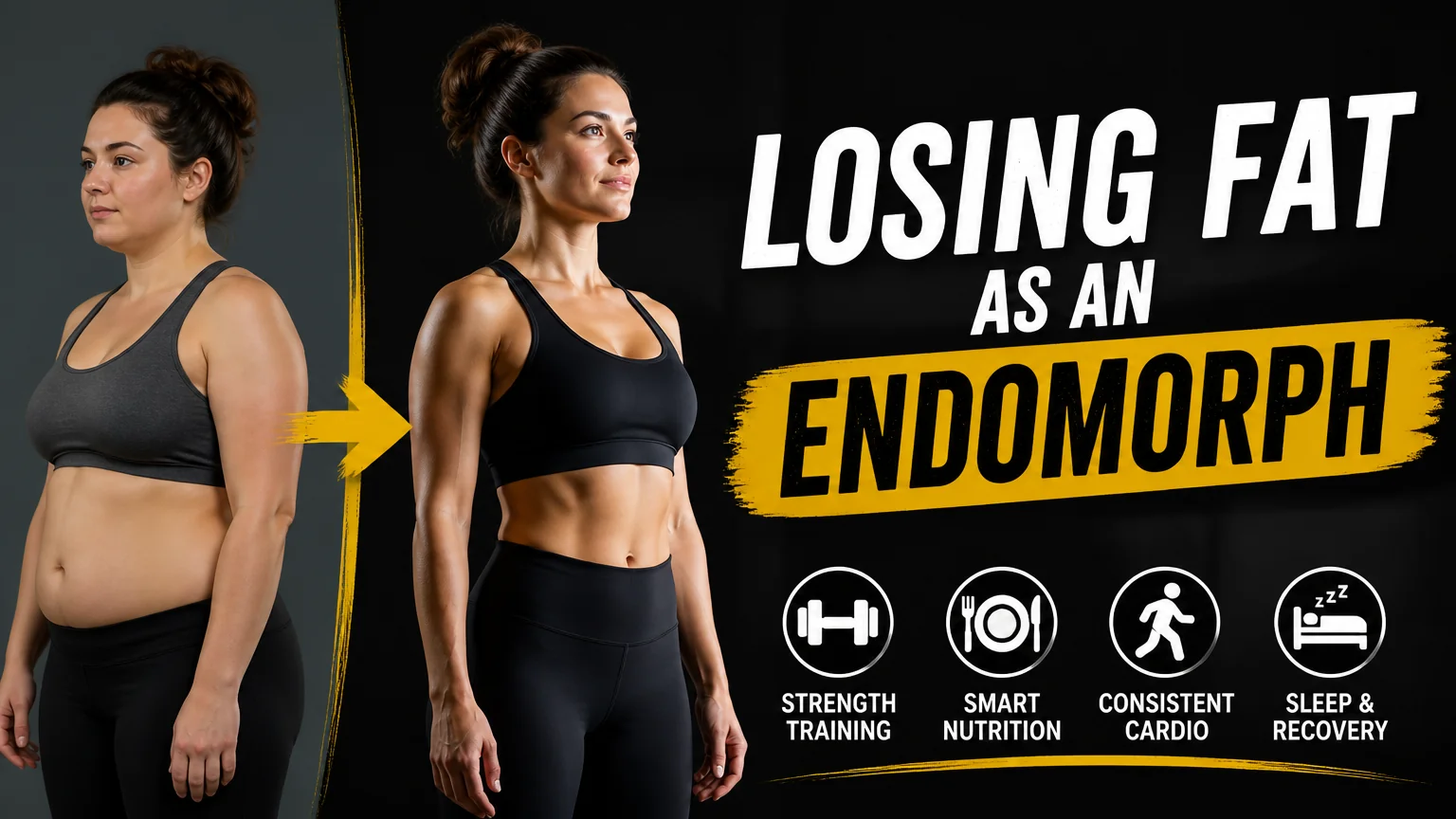
Photos and measurements are an excellent way to track your progress and stay motivated. Consider checking them at regular intervals rather than focusing on daily changes.
Every body is different, so listen to yours and adjust your diet as needed. Your energy, hunger, and training performance can help guide those adjustments.
Remember, building muscle as an endomorph takes patience, discipline, and consistency. Don’t get discouraged if you don’t see results right away. Keep working hard, fuel your body with the right nutrients, and celebrate every small achievement! You can do it!
1. How much protein should I consume each day if I’m an endomorph and want to build muscle?
You should aim to consume between 1.6 and 2.2 grams of protein per kilogram of body weight per day.
2. What types of carbohydrates should I avoid as an endomorph?
You should avoid simple and processed carbohydrates, such as white bread, white pasta, sweets, and soft drinks.
3. Do I need to take supplements to build muscle as an endomorph?
Supplements can be useful, but they aren’t essential. Creatine and protein powder are good options to consider.
4. How many times a week should I exercise if I’m an endomorph?
You should aim to do strength training at least 3 times a week and combine it with cardio 2 to 3 times a week.
5. How can I monitor my calorie intake as an endomorph?
You can monitor your calorie intake by keeping a food diary and using an app to track your calories.
I hope this article helps you on your journey toward a more muscular and healthier body! Best of luck!
Search
Popular searches