For Onlinecourses55
|
2026-10-10
For Onlinecourses55
|
2026-10-10
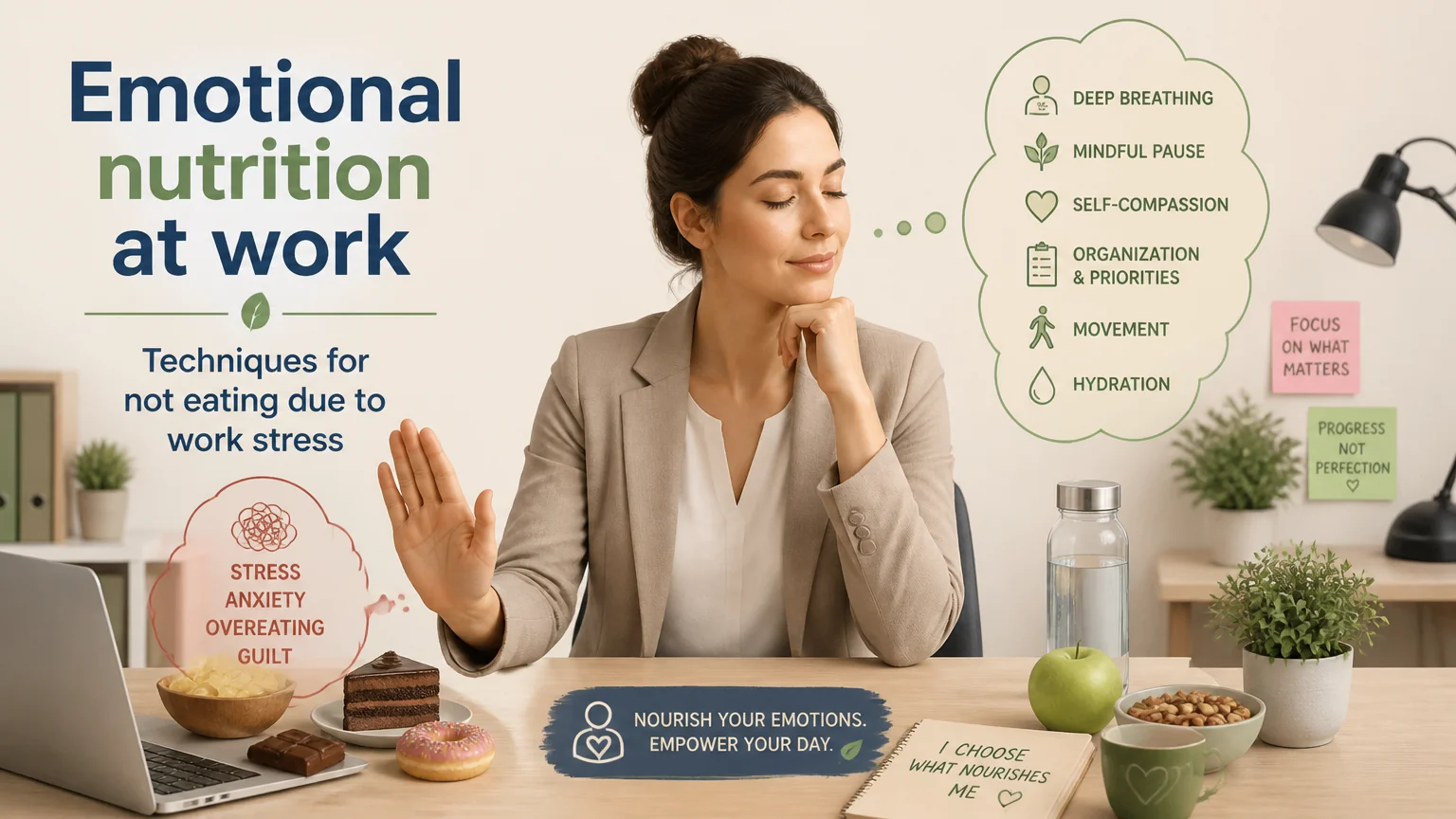
Emotional nutrition at work techniques for not eating due to work stress - emotional nutrition
The influence of daily emotions on our eating habits can easily lead to unhealthy patterns. To tackle this and regain control, consider the course on navigating emotional triggers in your eating journey, which equips you with essential skills to make thoughtful choices.
In the day-to-day work environment, it is easy for emotions to influence what we eat. The pace, demands and pressure can lead to automatic food consumption, seeking comfort or a quick distraction. Recognizing that eating is not always a response to physical hunger is the first step to regaining control and taking care of both body and mind.
Physical hunger comes on gradually, allows you to wait, and any food usually satisfies it. Emotional hunger, on the other hand, comes on suddenly, demands specific foods (usually high in sugar or fat), and is often accompanied by emotions such as anxiety, boredom or frustration. Identifying these signals helps to respond more consciously.
The work environment offers multiple triggers: long working hours, tight deadlines, continuous meetings, lack of breaks or even the culture of "rewards" with food in the office. In addition, remote work has blurred schedules and boundaries, facilitating constant snacking. Identifying these factors is key to designing realistic strategies.
The following techniques can be incorporated gradually. They are not a magical solution, but practices that help break the automatic cycle and promote healthier and more conscious decisions.
Before eating, pause for three to five minutes. Sit down, take a deep breath and ask yourself if you are physically hungry, what emotion you are feeling and how long you have not eaten. This minimal interruption reduces impulsivity and allows you to make better choices.
Keep a small record (it can be in your cell phone) where you write down when you eat out of schedule and what emotion you felt. With a few days of monitoring you will discover patterns: meetings that trigger snacking, evenings of greater stress, etc.. With this information it is easier to anticipate and prepare alternatives.
Having nutritious options on hand reduces the likelihood of choosing processed foods. Prepare portion-controlled snacks of nuts, plain yogurt, fresh fruit or veggie sticks with hummus. Packing portions prevents overeating and makes it easier to make conscious choices.
Setting approximate meal times and a short break routine helps regulate hunger and energy. Setting alarms to get up, stretch or drink water keeps the body in balance and decreases the need to "patch" with food.
Some simple dietary changes can influence emotional stability and impulse control. These are not radical diets, but rather food choices that stabilize glucose and promote well-being.
High-sugar and processed foods generate ups and downs that increase the feeling of emotional hunger. Reducing their consumption and combining them with protein or fiber when consumed lessens the impact.
Talking with colleagues or the team about the need for breaks and meals can change the dynamic. Suggesting healthy practices in meetings (e.g., stand-up meetings or break times) and sharing ideas about healthy snacks creates a more supportive environment.
If stress eating is frequent and generates guilt, discomfort or affects health, consider seeking help from a professional (nutritionist, psychologist or coach). They can offer specific tools to manage emotions and modify habits in a sustainable way.
Self-care outside of work hours directly influences how you cope with stress at work. Getting good sleep, exercising regularly, and spending time on rewarding activities reduces emotional reactivity and the need for comfort food.
To transform intention into habit, try this simple and realistic plan:
Stopping stress eating at work is a process that requires attention and patience. By knowing the differences between physical and emotional hunger, identifying triggers, having non-food alternatives, planning healthy snacks and strengthening self-care, you can regain control. Small, consistent changes are often more effective than extreme measures. Start with one or two strategies and adjust as it works for you; over time your relationship with food can become more mindful and kind.
Search
Popular searches