Hello everyone! Are you ready to dive into the fascinating world of ketogenic nutrition? If you have ever heard about the keto diet and wondered what it is and how it works, you have come to the right place! This complete guide will provide you with all the information you need to understand, start, and successfully maintain a keto diet. From basic fundamentals to delicious recipes, we will cover it all! So, buckle up and let's explore this exciting journey together!
What is the Ketogenic Diet and Why is it Trending?
The ketogenic diet, or keto diet, is a diet low in carbohydrates, moderate in protein, and high in fats. But why is it so trendy? Well, the answer lies in its potential health benefits, including weight loss, blood sugar control, and improved brain function. But before jumping to fame, let's understand a little more about what it actually involves.
The Fundamentals of Ketosis
The main goal of the keto diet is to induce a metabolic state called ketosis. Normally, the body uses glucose (sugar) from carbohydrates as its primary energy source. However, when carbohydrates are restricted, the body begins to break down fat into molecules called ketones, which are used as an alternative fuel. Think of it as your body switching from gasoline to diesel!
Why People Love (or Hate) the Keto Diet?
The keto diet has its advocates and detractors. Some people love the keto diet because it helps them lose weight quickly, feel more energized, and better control their appetite. Others hate it because it can be restrictive, difficult to maintain long-term, and can cause unpleasant side effects, such as the "keto flu." The key is to find a balance and adapt the diet to your individual needs.
Allowed and Forbidden Foods on the Keto Diet
One of the most important parts of succeeding on the keto diet is knowing which foods you can eat and which ones you should avoid. Here is a quick guide:
The Green List: Keto-Friendly Foods
- Healthy Fats: Olive oil, coconut oil, avocado, butter, ghee.
- Proteins: Beef, chicken, fish, eggs.
- Low-Carb Vegetables: Spinach, kale, broccoli, cauliflower, asparagus.
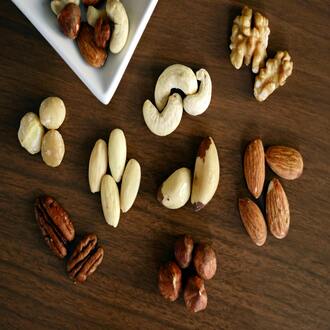
- Nuts and Seeds: Almonds, walnuts, chia seeds, flax seeds.
- High-Fat Dairy Products: Cheese, heavy cream, butter.
The Red List: Foods to Avoid
- Sugars: Sodas, juices, sweets, desserts.
- Grains: Bread, pasta, rice, cereals.
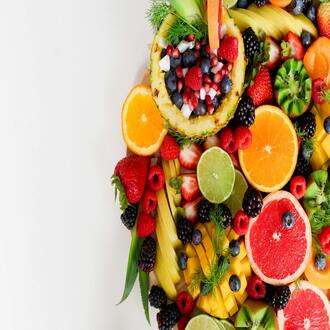
- High-Carb Fruits: Bananas, grapes, mangoes.
- Legumes: Beans, lentils, peas.
- Processed Foods: Fast food, packaged snacks.
Keto Meal Plan for Beginners
Are you ready to start? Here is an example keto meal plan to help you begin:
Keto Breakfast: Delicious and Easy Ideas
- Scrambled eggs with avocado and cheese: A quick, easy, and delicious option.
- Keto smoothie: Blend almond milk, protein powder, spinach, and peanut butter.
- Mushroom and cheese omelet: A tasty way to get protein and vegetables.
Keto Lunch: Staying Satiated at Midday
- Keto chicken salad: Mix cooked chicken with mayonnaise, celery, onion, and avocado.
- Broccoli and cheese soup: A comforting and nutritious option.
- Lettuce wrap with ground beef and avocado: A low-carb alternative to the traditional taco.
Keto Dinner: Hearty and Satisfying Dishes
- Baked salmon with asparagus: An elegant and healthy dish.
- Steak with cauliflower mash: A classic meal with a keto twist.
- Curry chicken with cauliflower rice: An exotic and delicious option.
Keto Snacks: Options to Curb Your Cravings
- Cheese: A quick and easy snack.
- Nuts: A source of healthy fats and fiber.
- Avocado: A creamy and nutritious option.
- Hard-boiled eggs: A protein-rich snack.
- Pork rinds: A crunchy and keto-friendly snack!
Common Mistakes and How to Avoid Them on the Keto Diet
Even with the best planning, it is easy to make mistakes when following the keto diet. Here are some of the most common mistakes and how to avoid them:
The Keto Flu: What It Is and How to Combat It?
The "keto flu" is a set of unpleasant symptoms that can occur at the beginning of the keto diet, such as fatigue, headache, nausea, and constipation. This is because the body is adapting to using ketones for fuel. To combat it, make sure to drink plenty of water, consume electrolytes, and get enough rest.
Common Myths About the Keto Diet
- Myth: The keto diet is unhealthy. Reality: If planned correctly, the keto diet can be a healthy way to lose weight and improve metabolic health.
- Myth: The keto diet is only for weight loss. Reality: The keto diet can also have benefits for brain function, blood sugar control, and the prevention of chronic diseases.
- Myth: The keto diet is very restrictive. Reality: While the keto diet requires avoiding certain foods, it also allows for a wide variety of delicious and nutritious options.
Benefits and Risks of the Ketogenic Diet
As with any diet, it is important to consider both the potential benefits and risks of the keto diet.
Proven Benefits of the Keto Diet
- Weight Loss: The keto diet can be very effective for losing weight, especially in the short term.
- Blood Sugar Control: The keto diet can help improve blood sugar control in people with type 2 diabetes.
- Improved Brain Function: Some research suggests that the keto diet can enhance brain function and protect against neurodegenerative diseases.
- Seizure Reduction: The keto diet has been used for decades to treat epilepsy in children.
Possible Side Effects and How to Minimize Risks
- Constipation: Increase fiber intake and drink plenty of water.
- Nutritional Deficiencies: Make sure to consume a variety of nutritious foods and consider taking supplements.
- Kidney Stones: Consult with your doctor if you have a history of kidney stones.
- Increased Cholesterol: Monitor your cholesterol levels and adjust your diet as needed.
Additional Tips for Keto Success
Here are some additional tips to help you succeed on the keto diet:
Monitoring Your Progress: Ketosis in Action
- Urine Ketone Strips: An easy and inexpensive way to measure ketone levels.
- Blood Ketone Meters: A more precise option, but also more expensive.
- Symptom Monitoring: Pay attention to how you feel and adjust your diet as needed.
Adapting the Keto Diet to Your Individual Needs
The keto diet is not one-size-fits-all. It is important to adapt it to your individual needs, preferences, and goals. Consider working with a dietitian or nutritionist to create a personalized plan.
Keto Supplements: Are They Necessary?
While not necessary, some supplements can be useful to support the keto diet. These include:
- Electrolytes: To replenish electrolytes lost through urine.
- Magnesium: To help prevent constipation and muscle cramps.
- Omega-3: To improve cardiovascular health and reduce inflammation.
- Vitamin D: To support bone health and the immune system.
Easy and Delicious Keto Recipes
Here are some easy and delicious keto recipes to inspire you:
Breakfast: Scrambled Eggs with Avocado and Cheese
- Ingredients: 2 eggs, 1/4 avocado, 1/4 cup shredded cheese, salt and pepper to taste.
- Instructions: Beat the eggs with salt and pepper. Cook in a skillet with a little oil. Add the avocado and shredded cheese. Serve warm.
Lunch: Keto Chicken Salad
- Ingredients: 1 cup shredded cooked chicken, 1/4 cup mayonnaise, 1/4 cup chopped celery, 1/4 cup chopped onion, 1/4 avocado cubed, salt and pepper to taste.
- Instructions: Mix all ingredients in a bowl. Serve on lettuce leaves or eat alone.
Dinner: Baked Salmon with Asparagus
- Ingredients: 1 salmon fillet, 1 bunch of asparagus, 2 tablespoons of olive oil, lemon juice, salt and pepper to taste.
- Instructions: Preheat the oven to 200°C. Place the salmon and asparagus on a baking sheet. Drizzle with olive oil and lemon juice. Season with salt and pepper. Bake for 15-20 minutes, or until the salmon is cooked.
Conclusion: The Keto Diet, Is It for You?
The ketogenic diet can be a powerful tool for weight loss, blood sugar control, and overall health improvement. However, it is not for everyone. It is important to consider your individual needs, goals, and preferences before starting the keto diet. Consult with your doctor or a healthcare professional to determine if the keto diet is right for you. And remember, the key to success is planning, patience, and perseverance! Good luck on your keto journey!
Frequently Asked Questions (FAQs)
- Is the keto diet safe for everyone?: No, the keto diet is not safe for people with certain medical conditions, such as kidney, liver, or pancreatic diseases. Consult with your doctor before starting the keto diet.
- How much weight can I lose on the keto diet?: The amount of weight you can lose on the keto diet varies from person to person. Some people lose weight quickly at first, while others lose it more gradually.
- Can I eat fruit on the keto diet?: Only certain low-carb fruits, such as berries (strawberries, raspberries, blueberries) are allowed in limited quantities.
- How long should I follow the keto diet?: The duration of the keto diet depends on your goals and preferences. Some people follow it for a few months to lose weight, while others follow it long-term to maintain health.
- What should I do if I get the keto flu?: Drink plenty of water, consume electrolytes, and get enough rest. If symptoms persist, consult with your doctor.
I hope this guide has been useful to you! Good luck with your ketogenic adventure!