For Onlinecourses55
|
2026-04-10
For Onlinecourses55
|
2026-04-10

Online course on the keto diet to improve hormonal health - ketogenic nutrition
Discover the incredible link between diet and hormone balance with our focused course on keto practices that empower your health journey.
Hello everyone! Have you ever wondered if your diet could be the key to unlocking better hormonal health? If so, you are in the right place. Today we are going to dive into the fascinating world of the keto diet and how an online course can help you maximize its benefits to balance your hormones. Prepare for a journey of discovery and transformation.
The ketogenic diet, or keto, has become very popular in recent years, but what exactly is it and why is it related to hormonal health? In short, the keto diet is a meal plan very low in carbohydrates, moderate in protein, and high in fats. The main goal is to drive your body into a metabolic state called ketosis, where it uses fat as its primary energy source instead of carbohydrates.
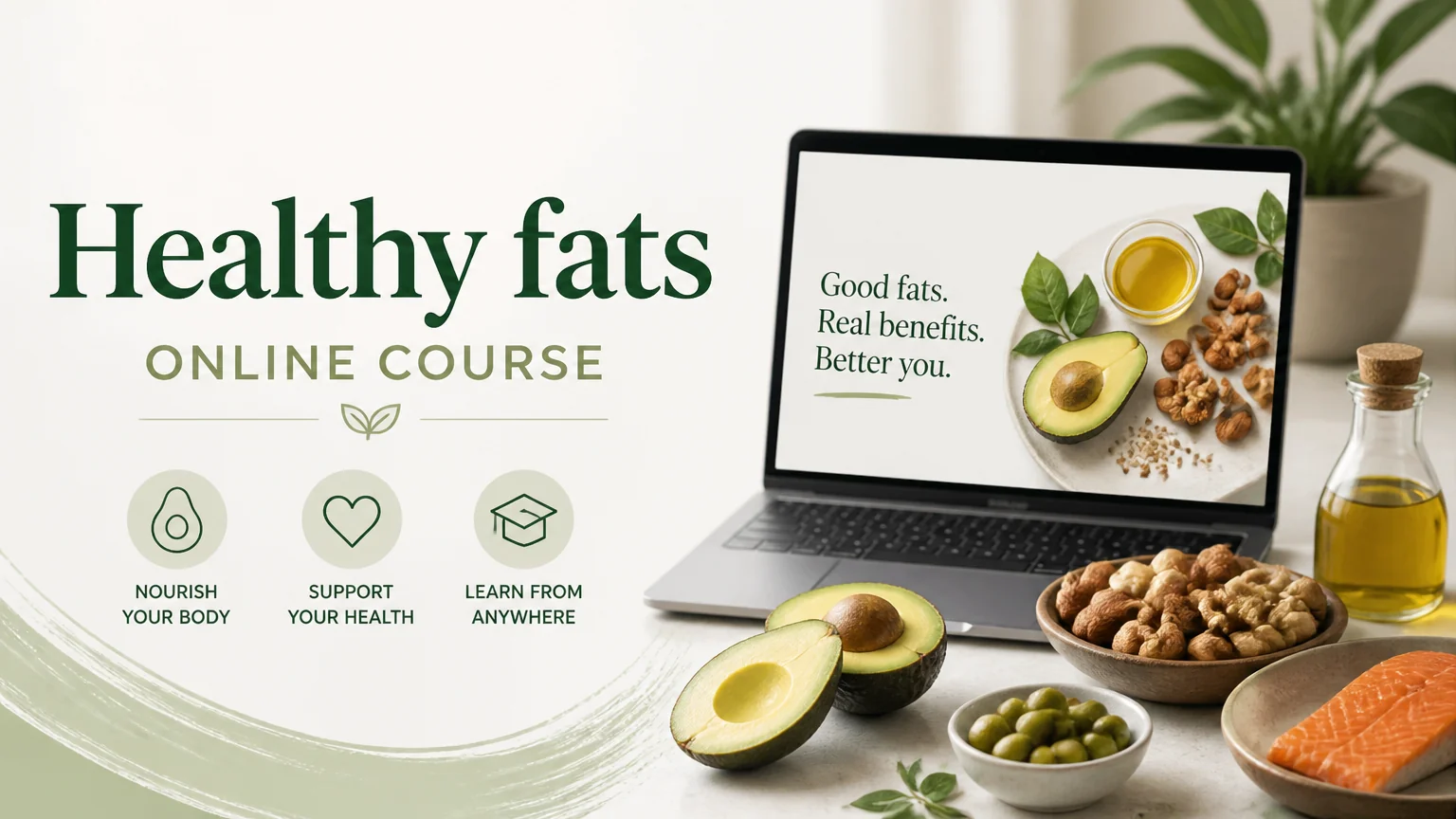
Fundamentals: Imagine your body as a hybrid car. Normally, it runs on gasoline (carbohydrates), but with the keto diet, you switch the fuel to electricity (fats). To achieve this, you drastically reduce your carbohydrate intake (think less than 50 grams per day) and increase the intake of healthy fats, such as avocado, olive oil, and nuts. This forces the liver to produce ketones, which are molecules that serve as an alternative fuel for the brain and body.
Effect on Insulin: This is where hormones come into play. Insulin, a hormone produced by the pancreas, is responsible for regulating blood sugar levels. A high-carbohydrate diet can lead to insulin resistance, where cells become less sensitive to insulin and blood sugar remains elevated. The keto diet, being very low in carbohydrates, helps stabilize blood sugar levels and reduces the need for insulin. This can have a positive impact on other hormones that are influenced by insulin, such as sex hormones.
Women's Health: For women, hormonal balance is crucial for reproductive health, the menstrual cycle, mood, and energy. Polycystic Ovary Syndrome (PCOS), for example, is closely linked to insulin resistance. The keto diet can help improve insulin sensitivity, which in turn can regulate menstrual cycles, reduce PCOS symptoms, and improve fertility in some women. Can you imagine the peace of mind this could bring?
Men's Health: Men also benefit from the keto diet. Insulin resistance can affect the production of testosterone, the key male sex hormone. By improving insulin sensitivity, the keto diet can help increase testosterone levels, which can improve energy, libido, muscle mass, and overall health.
Flexible learning: An online course allows you to learn at your own pace, from the comfort of your home and at the time that suits you best. You can access the course material 24 hours a day, 7 days a week, adapting it to your lifestyle.
Expert support: A good online course gives you access to experts in the keto diet and hormonal health. You can ask questions, get personalized feedback, and receive support from a community of people who are following the same path as you. This can be invaluable for staying motivated and overcoming obstacles that may arise.
Pace control: An online course allows you to review the material as many times as necessary and focus on the areas that you find most challenging. You can pause, rewind, and re-watch lessons until you feel comfortable with the content.
Menu design: You will learn to create keto meal plans that are delicious, nutritious, and tailored to your individual needs and preferences. You will receive recipes, shopping lists, and tips to ensure you are getting all the nutrients you need.
Symptom control: When starting the keto diet, some people experience what is known as the "keto flu," which can include symptoms such as fatigue, headache, and nausea. The course will teach you how to minimize these side effects through hydration, supplementation, and gradual adjustment of your diet.
Medical knowledge: You will learn to understand your blood tests and how the keto diet is affecting your hormone levels. This will allow you to make informed adjustments to your diet and work closely with your doctor to optimize your health.
Dietary sustainability: You will learn how to maintain it long-term in a healthy and sustainable way, incorporating flexibility and allowing you to enjoy social life without sabotaging your goals.
Medical warning: If you have any preexisting medical conditions, such as diabetes, kidney disease, or liver disease, it is crucial that you consult with your doctor before starting the keto diet. The keto diet can interact with certain medications and may not be suitable for everyone.
Goal definition: Are you looking to balance your hormones, lose weight, improve your energy, or manage a specific medical condition? Make sure the keto diet is an appropriate strategy to achieve your goals.
Testimonials: This is where real examples of inspirational stories from people who have found new vitality and hormonal balance thanks to the keto diet would go.
The keto diet is a powerful tool, but it is not the only piece of the puzzle.
Vital balance: Getting enough sleep and managing stress are fundamental to hormonal health. Chronic stress can elevate cortisol levels, a hormone that can negatively affect other hormones, such as insulin and sex hormones. Try to sleep at least 7-8 hours per night and find stress management techniques that work for you, such as meditation, yoga, or spending time in nature.
Magnesium function: It is crucial for hundreds of bodily functions, including hormonal regulation. It is found in foods such as leafy green vegetables, nuts, and seeds.
Sources of Vitamin D: It is essential for bone health, immune function, and hormonal regulation. You can obtain it through sun exposure, fortified foods, and supplements.
Importance of Omega-3: Omega-3 fatty acids are important for brain health, cardiovascular health, and hormonal regulation. They are found in fatty fish, chia seeds, and flax seeds.
Other options: In addition to the online course, many other resources are available to deepen your knowledge of the keto diet and hormonal health. Look for books, blogs, podcasts, and online communities that inspire you and provide valuable information. Remember that continuous education is key to long-term success.
Final reflection: The keto diet can be a powerful tool for improving hormonal health, but it is important to approach it in an informed and personalized way. An online course can provide you with the structure, support, and knowledge you need to achieve your health goals. Don't forget to consult with your doctor before starting any new diet and remember that hormonal balance is a continuous journey, not a destination. Good luck on your path to optimal hormonal health!
Search
Popular searches