For Onlinecourses55
|
2026-05-29
For Onlinecourses55
|
2026-05-29

What is the difference between the keto diet and the paleo diet online course? - ketogenic nutrition
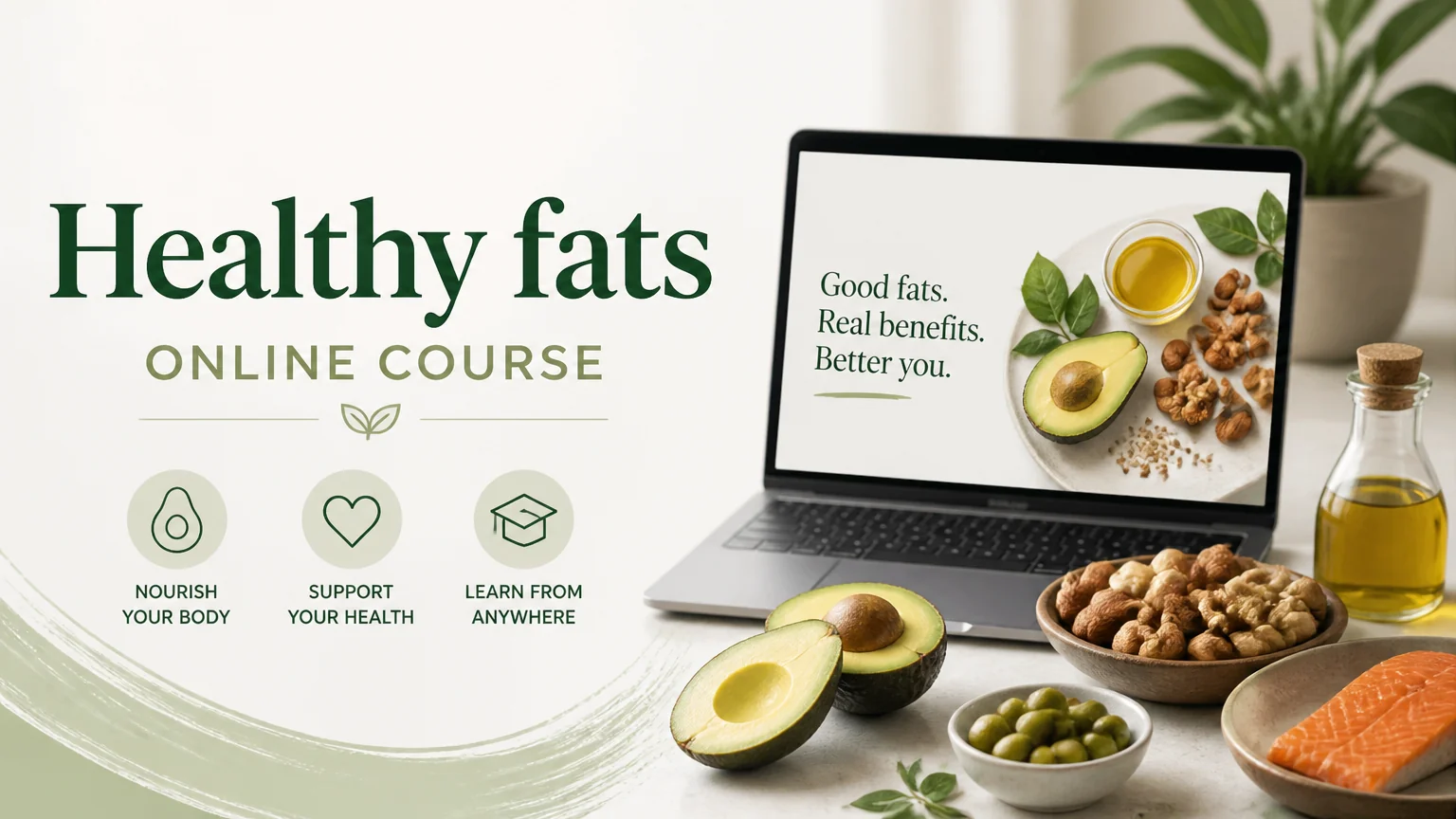
Ramp up your nutrition knowledge and make informed choices by taking part in our course comparing keto and paleo diets, ensuring you find the right fit for you.
Hello everyone! Today we will delve into a culinary debate that has sparked social media and table conversations: which is better, the keto diet or the paleo diet? If you feel lost in a sea of nutritional information, don't worry! We are going to break it all down simply and pleasantly, so you can make an informed decision about which of these diets might be most suitable for you.
In the world of nutrition, there are a large number of diets that promise spectacular results. Two of the most popular are the ketogenic diet (keto) and the paleolithic diet (paleo). Both have fervent followers and staunch critics. But what makes them so different? And which one is best for you? Get ready for an exhaustive analysis. Imagine they are two fighters in a ring, ready to give it their all. Let the combat begin!
The ketogenic diet, or keto for short, is based on a simple principle: forcing your body to burn fat instead of carbohydrates for energy. Sounds good, huh? But how exactly does it work?
In the keto diet, the goal is to reach a metabolic state called ketosis. When you drastically reduce your carbohydrate intake (usually to less than 50 grams per day), your body begins to break down fat into molecules called ketones, which it uses as fuel. It's like changing your energy source from gasoline to diesel.
The Paleolithic diet, or paleo, is based on the idea that we should eat like our hunter-gatherer ancestors from the Paleolithic era. That is, foods that were supposedly available before agriculture and animal husbandry.
The paleo diet focuses on whole, unprocessed, and natural foods. Everything considered "modern" in food, such as grains, legumes, dairy, and processed foods, is avoided. Think of it as a return to nature.
Now that we know the fundamentals of both diets, let's analyze the key differences that distinguish them.
Keto: Focuses on a high consumption of fats (70-80% of calories), a moderate consumption of protein (20-25%), and a very low consumption of carbohydrates (5-10%).
Paleo: Focuses on a moderate consumption of protein and fats, and a moderate consumption of carbohydrates, primarily from fruits and vegetables.
The main difference is the amount of carbohydrates. While the keto diet drastically restricts them to induce ketosis, the paleo diet allows moderate consumption.
Keto: Allows some low-carb processed foods, such as artificial sweeteners and specific keto products.
Paleo: Prohibits all processed foods and added sugars.
In this regard, the paleo diet is stricter and focuses on natural, unprocessed foods.
Keto: Can be difficult to maintain long-term due to its carbohydrate restriction. The "keto flu" and food monotony can be a challenge.
Paleo: Can be more sustainable long-term, as it allows for a greater variety of foods and is not as restrictive regarding carbohydrates.
Adherence is key to the success of any diet. If you cannot maintain it, it will not work.
If you are interested in delving deeper into any of these diets, an online course can be an excellent option. Look for courses that offer:
Remember to research and compare before enrolling in a course!
In summary, both the keto diet and the paleo diet have their pros and cons. The keto diet can be effective for rapid weight loss and blood sugar control, but it can be difficult to maintain long-term and may have side effects. The paleo diet can be more sustainable long-term and promote more natural and unprocessed eating, but it can be restrictive regarding certain foods and may require careful planning to avoid nutritional deficiencies.
The best diet for you is the one that adapts to your needs, preferences, and lifestyle. There is no single answer! Experiment, listen to your body, and seek guidance from a health professional if necessary. Good luck on your journey toward healthier eating!
1. Can I combine the keto diet and the paleo diet? Yes, it is possible to combine elements of both diets, but it requires careful planning to ensure you get all the necessary nutrients. Essentially, this would be a keto diet based on paleo foods.
2. Is it necessary to take supplements on the keto or paleo diet? On the keto diet, it may be helpful to take electrolyte supplements to avoid the "keto flu." On the paleo diet, it may be necessary to take calcium and vitamin D supplements, especially if you do not consume dairy.
3. Is the keto diet safe for people with diabetes? The keto diet can be effective for controlling blood sugar in people with diabetes, but it is important to consult with a doctor before starting, as medication adjustment may be necessary.
4. Is the paleo diet suitable for vegetarians or vegans? Adapting the paleo diet for vegetarians or vegans is possible, but it requires careful planning to ensure sufficient protein and other essential nutrients are obtained. The exclusion of legumes makes it particularly difficult.
5. How long does it take to see results with the keto or paleo diet? With the keto diet, results can be seen in the first week, mainly due to water loss. With the paleo diet, results may take longer to become visible, but they are usually more sustainable long-term.
Search
Popular searches