Have you ever felt trapped in a routine, longing for something more, something different? Has the idea of a life change been on your mind, but you don’‘t know where to start? You are not alone. Many of us reach a point where we feel we need a reset, an opportunity to redefine ourselves and live more authentically and fulfillingly.
But what does a life change really mean? And, more importantly, how can you achieve it successfully? In this article, we will explore in depth the concept of a life change, the reasons why you might be considering one, the key steps to plan and implement it, and how to overcome the challenges that may arise along the way.
What Do We Mean by a Life Change?
A life change is not just a change of job or city. It is a profound transformation that affects multiple areas of your life, from your career and relationships to your values and purpose. It’‘s about making a conscious decision to break old patterns, habits that no longer serve you, and embrace new experiences and opportunities that allow you to grow and evolve.
A life change can be driven by different factors:
- Dissatisfaction: Feeling stuck, bored, or unhappy with your current situation.
- Major events: A divorce, the loss of a loved one, a job change, or an illness can be catalysts for profound change.
- Search for purpose: Feeling the need to find deeper meaning in your life and contribute meaningfully to the world.
- Desire for personal growth: Longing to learn, explore new passions, and become the best version of yourself.
Signs You Need a Life Change
Sometimes, it’‘s hard to admit we need a change. We can feel comfortable in our routine, even if it doesn’‘t make us happy. However, there are certain signs that may indicate it’‘s time to consider a life change:
- You constantly feel stressed or anxious.
- You lose interest in activities you used to enjoy.
- You feel disconnected from your friends and family.
- You have recurring dreams about escaping or starting over.
- You feel like you’‘re living someone else’‘s life, not your own.
- You find yourself constantly complaining about your life.
- You have the feeling that you are wasting your potential.
If you identify with any of these signs, a life change may be what you need to regain happiness and a sense of purpose.
Types of Life Changes You Can Consider
A life change can take many different forms. Here are some examples of life changes you can consider:
- Career change: Moving from one profession to another that you are more passionate about or that offers you better opportunities.
- Location change: Moving to a new city, country, or even continent to experience a different culture or seek new opportunities.
- Lifestyle change: Adopting healthier habits, simplifying your life, reducing consumption, or dedicating more time to activities that energize you.
- Relationship change: Ending toxic relationships or cultivating more meaningful and authentic ones.
- Mindset change: Adopting a more positive perspective, developing gratitude, and learning to manage stress and anxiety.
- Spiritual change: Exploring new beliefs or spiritual practices that help you connect with yourself and the universe.
Planning Your Life Change: The Roadmap to Success
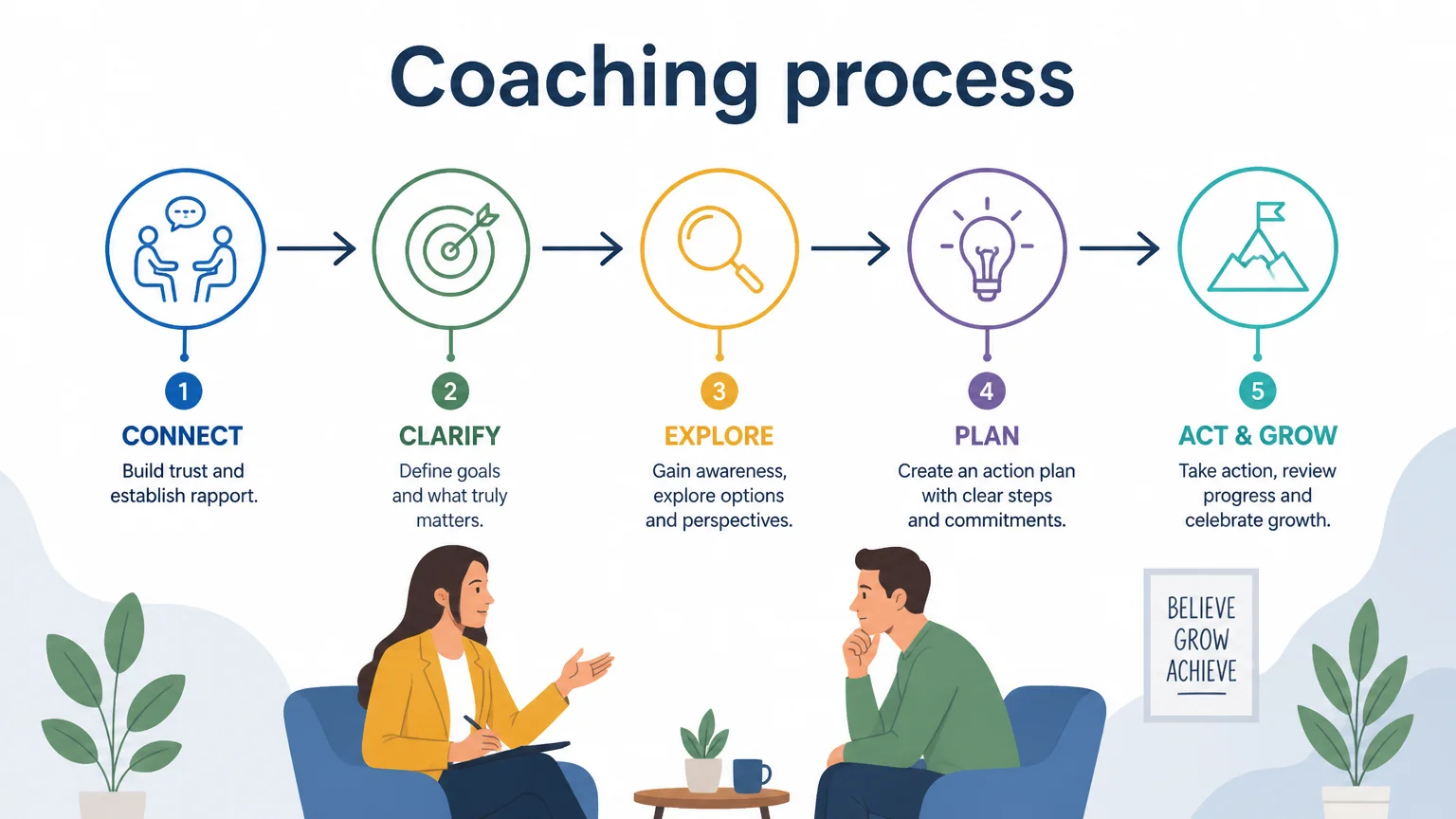
A successful life change requires planning and preparation. It’‘s not about making impulsive decisions or burning all your bridges. It’‘s about setting clear goals, creating an action plan, and taking consistent steps to achieve your objectives.
Here are some key steps to plan your life change:
- Define your values: What really matters to you in life? What principles guide your decisions?
- Identify your passions: What activities make you feel alive and full of energy? What do you love to do in your free time?
- Set SMART goals: Specific, Measurable, Achievable, Relevant, and Time-bound.
- Create an action plan: Break down your goals into smaller, manageable steps. Set deadlines for each step and track your progress.
- Seek support: Talk to friends, family, or a therapist for emotional support and guidance.
- Prepare for challenges: Anticipate obstacles that might arise and develop strategies to overcome them.
- Be flexible: Life is unpredictable. Be prepared to adjust your plan as needed.
Overcoming Fear and Resistance to Change
Fear is one of the biggest barriers to a life change. We can fear the unknown, failure, rejection, or losing what we have. We can also experience resistance to change from our friends, family, or even ourselves.
To overcome fear and resistance to change, it is important to:
- Acknowledge and accept your fears: Don’‘t try to ignore or suppress them. Allow yourself to feel your fears and then challenge your negative thoughts.
- Focus on the benefits: Instead of focusing on what you might lose, concentrate on what you could gain by making a life change.
- Start small: You don’‘t have to change everything overnight. Start with small steps and build from there.
- Celebrate your successes: Acknowledge and celebrate your achievements, no matter how small. This will help you stay motivated and focused on your goals.
- Surround yourself with positive people: Seek out people who support you and encourage you to keep going.
The Importance of Self-Care During the Change Process
A life change can be a stressful and exhausting process. It is important to take care of yourself physically, mentally, and emotionally during this time.
Here are some ways to practice self-care:
- Get enough sleep: Try to sleep at least 7-8 hours per night.
- Eat healthily: Eat a balanced diet rich in fruits, vegetables, and proteins.
- Exercise regularly: Find an activity you enjoy and do it for at least 30 minutes a day.
- Practice relaxation: Meditate, practice yoga, or simply spend time in nature.
- Connect with your loved ones: Spend time with friends and family who support you and make you feel good.
- Do something you enjoy every day: Make time for activities that make you happy and help you relax.
Finances and Life Change: Planning for Your Stability
A crucial aspect of any life change is financial planning. Before taking the leap, evaluate your current financial situation, create a realistic budget, and consider how your change will affect your income and expenses.
- Savings: Having an emergency fund is essential to cover unexpected expenses during the transition.
- Income: Explore alternative sources of income, such as freelance or passive jobs, to supplement your savings.
- Expenses: Reduce unnecessary expenses and prioritize those that will help you achieve your goals.
- Debts: If you have debts, create a plan to pay them off as soon as possible.
The Power of Resilience and Adaptability
Life is full of ups and downs, and a life change is no exception. There will be moments of doubt, frustration, and disappointment. It is important to develop resilience and adaptability to overcome these challenges and move forward.
- Learn from your mistakes: Don’‘t beat yourself up for making mistakes. Instead, learn from them and use them as an opportunity to grow.
- Maintain a positive attitude: Focus on what you can control and look for the bright side of every situation.
- Be flexible: Be prepared to adjust your plans as needed. Life is unpredictable.
- Never give up: Believe in yourself and your ability to achieve your goals.
Redefining Success: Beyond the Material
A life change often involves a reevaluation of what success means to you. You may realize that material things are not as important as happiness, health, relationships, and purpose.
- Define your own success: Don’‘t compare yourself to others. Define success on your own terms.
- Prioritize your values: Live according to your values and do what matters to you.
- Find meaning in what you do: Look for a job or activity that you are passionate about and that makes you feel fulfilled.
- Cultivate meaningful relationships: Invest time and energy in the people who support you and make you happy.
- Be grateful: Appreciate what you have and focus on the positive in your life.
Celebrating the Transformation: Enjoy the Journey
A life change is a journey, not a destination. Enjoy the process of transformation, celebrate your successes, and learn from your failures. Don’‘t take life too seriously. Laugh, love, and live fully.
Conclusion: A New Chapter Awaits You
A life change can be one of the most important and rewarding decisions you make in your life. It requires courage, planning, and perseverance, but the results are worth it. A life change can help you live a more authentic, meaningful, and fulfilling life.
So, are you ready to take the leap? The new chapter of your life awaits! Remember that you are not alone on this path. Seek support, be kind to yourself, and enjoy the journey. The future is yours!
 For Onlinecourses55
|
2026-08-16
For Onlinecourses55
|
2026-08-16