For Onlinecourses55
|
2026-06-13
For Onlinecourses55
|
2026-06-13

Neuromarketing and storytelling create stories that persuade - neuromarketing
Crafting compelling narratives can significantly improve brand engagement; explore the art of storytelling in this in-depth course on emotional narrative construction that enhances the way your messages connect with audiences.
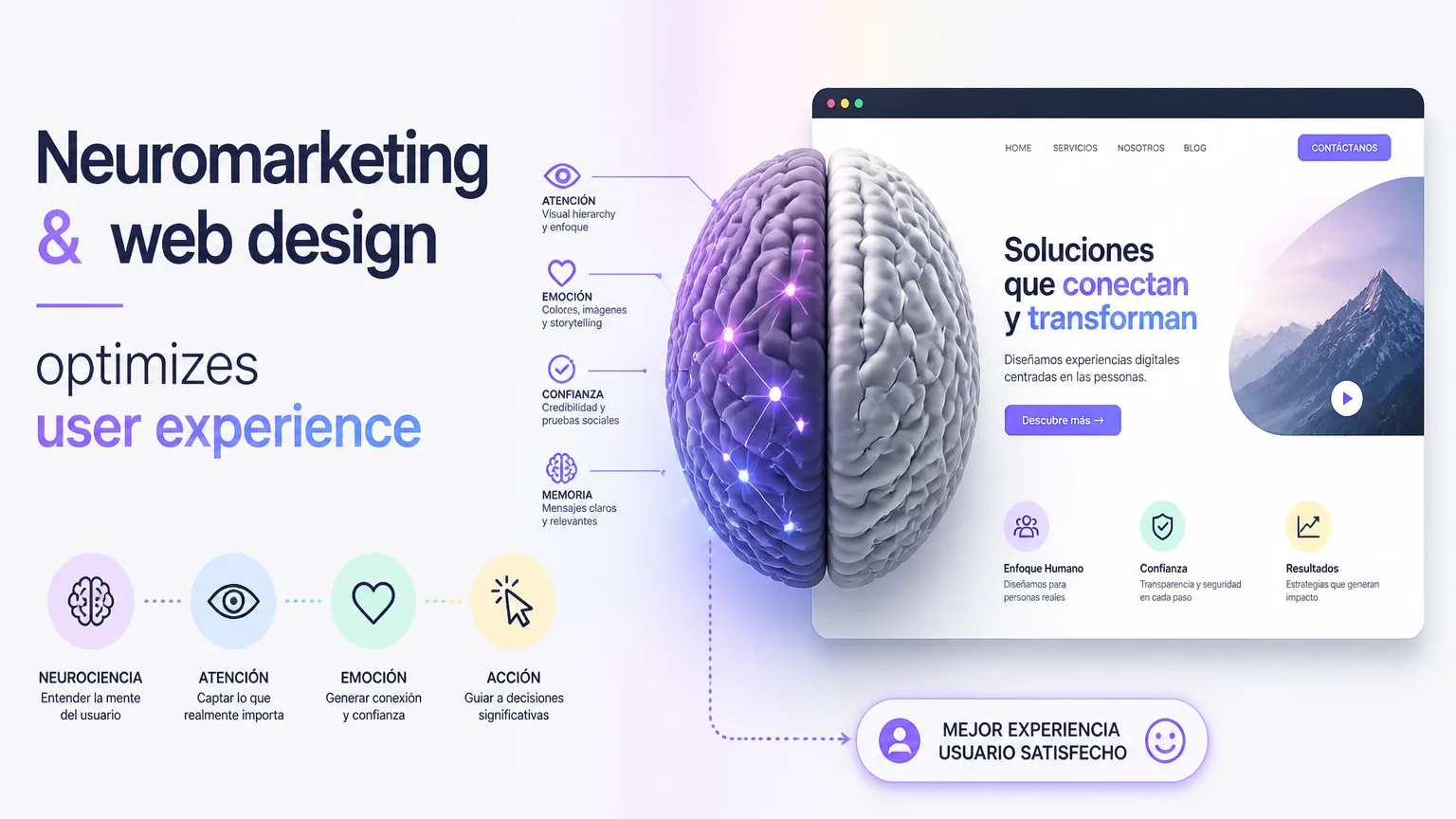
Understanding how the brain responds to a story and applying that knowledge to the design of commercial messages can transform the way a brand connects with its audience. This article explores the cognitive and emotional underpinnings that make certain stories memorable and effective, and offers concrete steps for designing narratives that influence buying behavior without resorting to rigid formulas.
Decisions are not made solely in the rational part of the brain. Emotions accelerate decision making and give meaning to information. When a story elicits an emotional response-surprise, empathy, outrage or relief-attention is focused and memory better encodes details. Thus, a well-formulated narrative not only captures the eye, but makes it easier for the message to linger in the mind and translate into subsequent action.
Attention is limited, so stories that break expectations or contain sensory elements stand out. The use of concrete details and visual scenes helps the audience stop scrolling and focus on the message.
Emotions act as hallmarks that reinforce the consolidation of memories. A story that elicits empathy or positive emotion will be more likely to be remembered and associated with the brand, increasing the likelihood of recommendation and repeat purchase.
Not all stories generate the same impact. There are recurring elements in storytelling that work best to move people:
The conflict does not necessarily have to be dramatic; it can be a daily need, a frustration or an aspiration. The important thing is that it establishes a before and after, allowing the solution proposed by the brand to make emotional and functional sense.
Connecting science with practice involves turning findings about attention, emotion and memory into creative decisions. Here are practical steps to design the narrative:
Beginning: daily scene that awakens identification. Development: appearance of the problem and slight escalation. Climax: failed attempt or discovery. Resolution: practical solution that improves the protagonist's life.
Beyond structure, certain stylistic devices increase effectiveness:
A well-chosen metaphor synthesizes a complex experience and creates a cognitive shortcut for the audience. For example, comparing a service to a "trusted guide" conveys reassurance without lengthy explanations.
Combining creative intuition with measurement allows you to optimize narratives. Some ways to test what works:
It's not enough to know which piece performed best; you need to understand why. Cross-reference quantitative data with qualitative feedback to identify which narrative elements were decisive: tone, protagonist, conflict or closure.
Manipulating emotions for commercial purposes has limits. Responsible persuasion implies:
The most sustainable long-term outcome is trust. A narrative that misleads may generate immediate conversions, but it erodes customer relationships and brand reputation.
Applying cognitive principles to story creation does not guarantee magical results, but it does significantly increase the likelihood of capturing attention, creating recall and motivating action. By combining a basic understanding of brain functioning with proven storytelling techniques and an ethical mindset, brands can build stories that connect deeply and generate sustained value for audiences.
Search
Popular searches