For Onlinecourses55
|
2026-07-28
For Onlinecourses55
|
2026-07-28

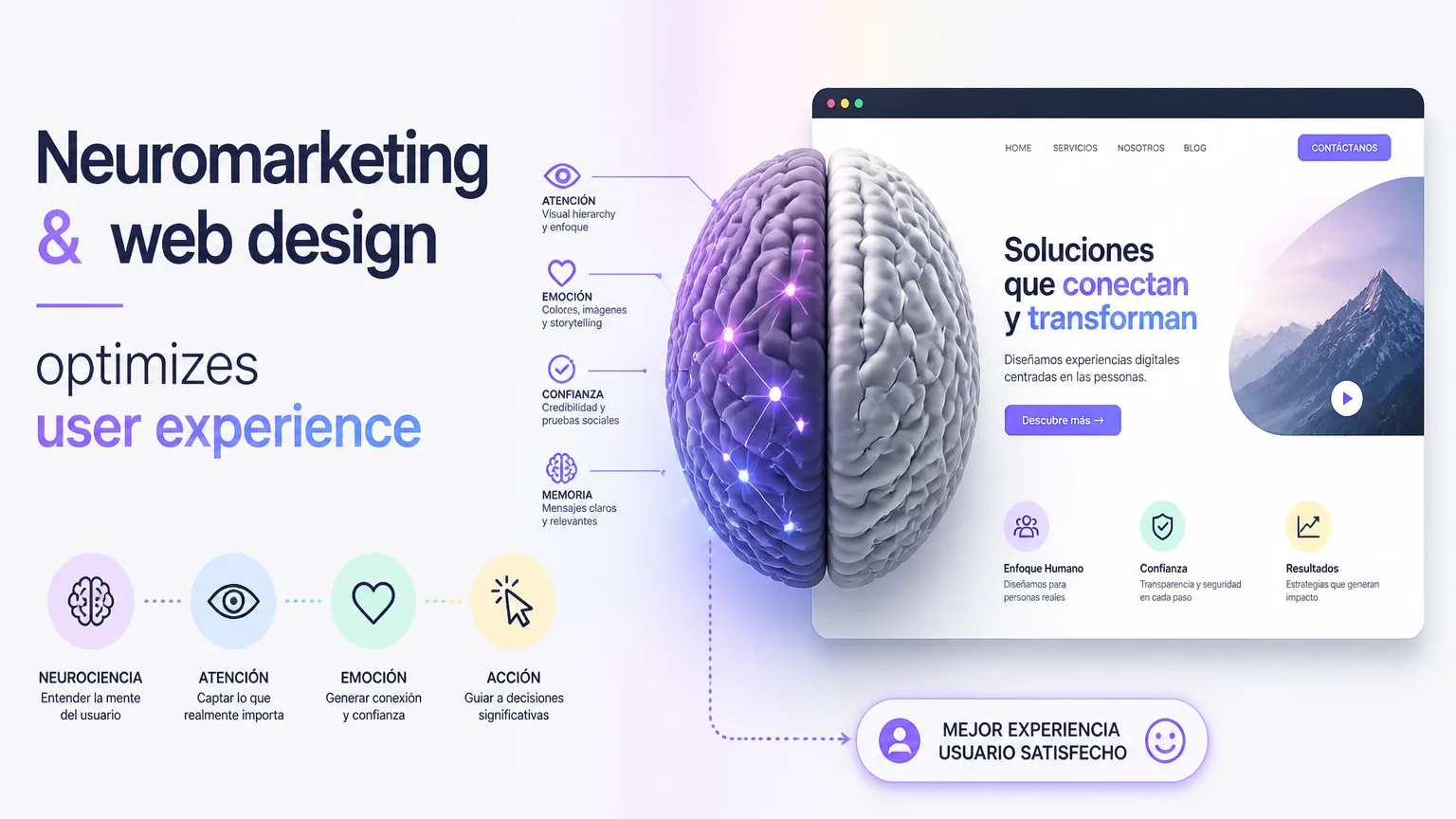
Ethical neuromarketing how to influence without manipulating the consumer - neuromarketing
To ethically improve your marketing communication practices, learn about respecting consumer autonomy in this insightful training focused on emotional intelligence, which offers useful strategies for creating meaningful messages.
In the daily practice of communication and sales, it is common to look for signals and answers that allow us to improve the impact of our messages. Applying knowledge about how people perceive, remember and decide is not in itself problematic; the challenge lies in doing so with respect, transparency and accountability. Here we explore criteria and tools to work on a scientific basis without crossing ethical boundaries, taking care of the dignity and autonomy of the audience.
Treating those who consume products or services as beings with needs and rights means prioritizing their well-being. This means listening, validating experiences and offering clear choices rather than withholding information or pushing decisions. Research and persuasion should seek to facilitate informed decisions, not replace them.
Collecting information about behaviors, emotions, or preferences is ethically justified only if there is a framework of transparency: explaining what is collected, for what purpose, and how it is protected, and obtaining consent where appropriate. Trust is built by showing how and why the data is used.
Mutual benefit: design experiences that bring real value to people, not just to the company.
Autonomy: respect the decision-making capacity of each person, avoiding tactics that limit options or generate coercion.
Fairness: ensure that practices do not exploit vulnerabilities of specific groups (e.g., people with cognitive or economic difficulties).
Privacy: minimize the collection of sensitive data and ensure its protection.
Accountability: document methodological decisions and assume the ethical consequences of campaigns.
Simple messages, accessible information architecture and purchase processes with clear steps help the individual understand the options and their implications. Using straightforward language and avoiding confusing jargon reduces the likelihood of hasty decisions.
Conducting A/B tests, usability studies and qualitative interviews to improve experiences is legitimate as long as participants know what the tests are about and are not induced to behave against their interest. Incorporating exit mechanisms and feedback protects their well-being.
Gentle reminders, summaries of benefits, and tools to aid choice (such as transparent comparators) are ways to influence that facilitate decision making without restricting freedom. The goal should be to inform and support, not manipulate.
Withhold relevant material information (final price, terms, conditions, limitations).
Exploiting fears or anxiety to push for an immediate purchase.
Dark patterns that make it difficult to cancel services or understand options.
Segmentation that deliberately targets vulnerable populations with inappropriate offers.
Non-consensual use of biometric or emotional data to manipulate preferences.
Define a clear policy: set explicit boundaries on which practices are prohibited and which require ethical reviews.
Ongoing training: train the entire team on ethical principles, privacy and responsible design.
Review committees: create a small interdisciplinary group to evaluate particularly sensitive campaigns.
Include user voice: incorporate real feedback throughout development and testing with representative groups.
Documentation and auditing: record decisions, metrics and results so that problematic practices can be reviewed and corrected.
Metrics should reflect both business results and customer welfare indicators: satisfaction, understanding, ease of use, and regret rate. Monitoring risk signals - complaints, increased cancellations, recurring negative comments - allows you to adjust campaigns before they cause harm.
Clearly informing about the methods used to improve the experience and about the use of data strengthens the relationship with customers. Simple messages about privacy, options to control personal information and open channels to clarify doubts turn ethical practices into competitive advantages.
An online store that simplifies pricing information and offers a final summary before payment, reducing returns and complaints.
A health app that asks for explicit consent to monitor physiological data and allows disabling sensitive functions at any time.
An educational campaign that uses insights about care to present brief and relevant content, helping decision making without time pressure.
Influencing effectively and ethically is not a contradiction: it is a more sustainable and respected practice. Designing with empathy, transparency and accountability builds loyalty, reduces reputational risk and contributes to better decisions for all. By putting people at the center, business strategies become more human and, in the long run, more profitable.
Search
Popular searches