For Onlinecourses55
|
2026-01-15
For Onlinecourses55
|
2026-01-15

Carnivore diet and athletic performance - nutrition carnivore
Curious if this meat-based approach can boost your athletic prowess? Don't miss the chance to learn more through our in-depth course on the carnivore diet, tailored for athletes eager to optimize their performance.
Are you an athlete looking for the ultimate edge? Have you heard of the carnivore diet and wonder if it could be the answer to your performance prayers? Well, you've come to the right place! We're going to dive into the world of the carnivore diet, exploring its potential benefits (and risks) for athletic performance. Get ready to discover if this radical nutritional approach could be the missing link on your path to athletic success.
Simply put, the carnivore diet is a way of eating that relies almost exclusively on animal products. Yes, you read that right! Practically just meat, fish, eggs, and some dairy products. The idea is to completely eliminate carbohydrates, plants, and all processed foods. Does that sound extreme? Well, it is!
The carnivore diet has its roots in the idea that our ancestors were primarily hunter-gatherers and that meat was a main component of their diet. Although this idea is debated by anthropologists, the carnivore diet has gained popularity in recent years, driven by advocates who claim it can improve health, energy, and athletic performance. Some of the best-known promoters include Dr. Shawn Baker, an orthopedic surgeon who advocates for this way of eating.
If you are an athlete, you are probably interested in knowing how the carnivore diet could improve your performance. Here are some potential benefits that proponents of this diet usually mention:
Meat is an excellent source of protein, which is essential for building and repairing muscle tissue. A protein-rich diet, such as the carnivore diet, could help athletes increase their muscle mass, especially when combined with strength training.
After an intense workout, your muscles need to recover. The protein in meat also plays an important role in this process. Additionally, some proponents of the carnivore diet claim it can reduce inflammation, which could speed up muscle recovery.
The carnivore diet is believed to reduce inflammation due to the elimination of processed foods, sugars, and other foods that can contribute to chronic inflammation. Chronic inflammation can negatively affect athletic performance, so reducing it could be beneficial.
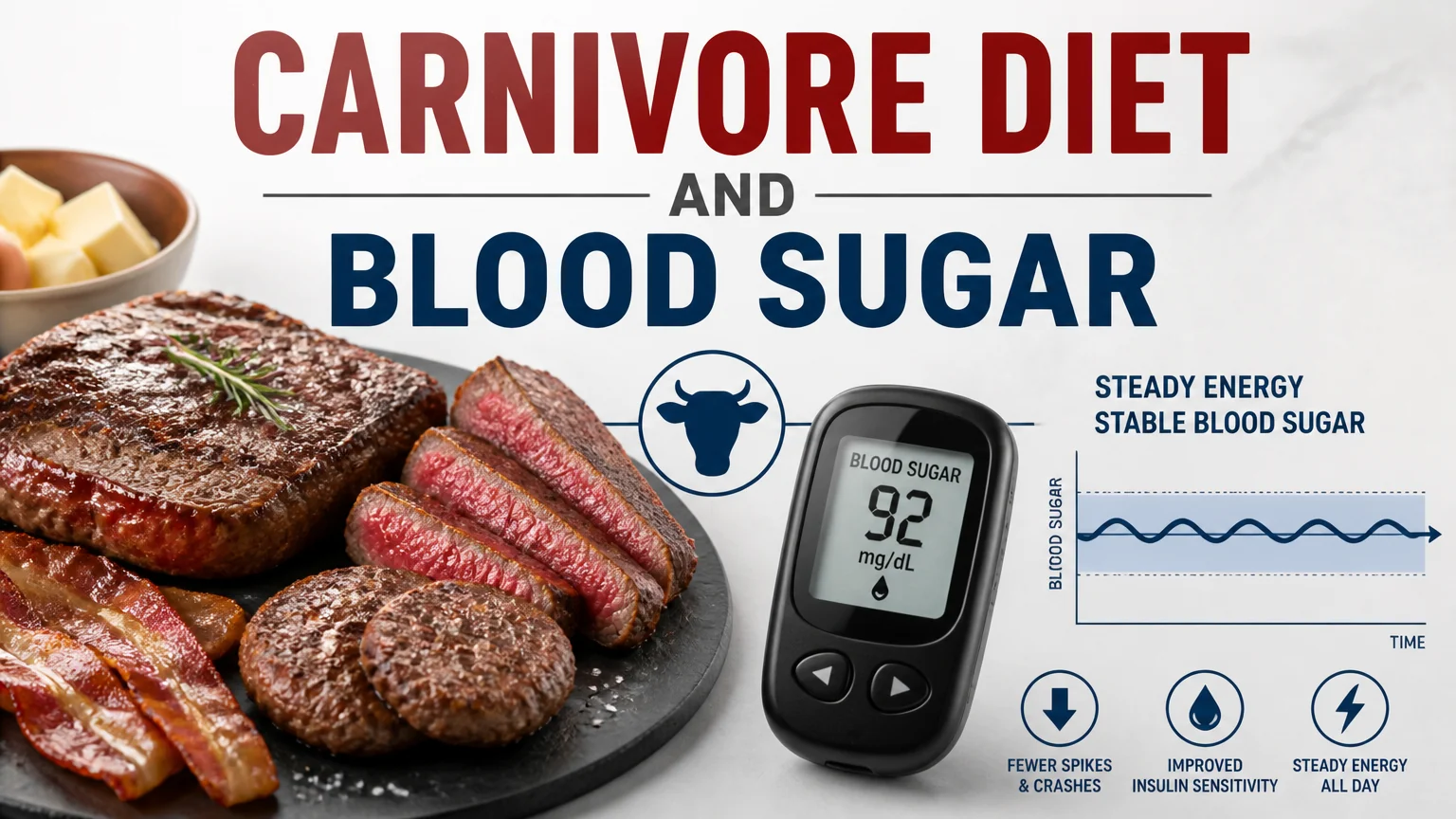
Some athletes who follow the carnivore diet claim they experience improved mental clarity and concentration. This could be due to the elimination of carbohydrates, which can cause fluctuations in blood sugar levels and affect brain function. Furthermore, the healthy fats present in meat can provide constant fuel for the brain.
Before diving headfirst into the carnivore diet, it is crucial that you are aware of the risks and important considerations. This diet is not for everyone, and it is essential to approach it with caution.
The carnivore diet is extremely restrictive and can lead to nutritional deficiencies if not planned carefully. You may not get enough essential vitamins and minerals, such as vitamin C, fiber, and potassium. These deficiencies can negatively affect your health and athletic performance.
The carnivore diet is rich in saturated fats and cholesterol, which has raised concerns about its possible impact on cardiovascular health. Some studies have shown that a high intake of saturated fats can increase the risk of heart disease. However, other studies suggest that the impact of saturated fats on cardiovascular health may be more complex than previously thought.
Initially, adapting to the carnivore diet can be difficult. You may experience side effects such as fatigue, headaches, constipation, and changes in energy levels. These side effects are usually temporary and disappear as your body adjusts to the new way of eating.
There are many popular diets that athletes use to improve their performance. How does the carnivore diet compare to these other diets?
The ketogenic diet, like the carnivore diet, is a low-carbohydrate, high-fat diet. However, the ketogenic diet allows some plant foods, such as low-carb vegetables. Both the ketogenic diet and the carnivore diet can help athletes burn fat for fuel and improve endurance.
The paleo diet is based on the idea that we should eat like our Paleolithic ancestors. This diet allows meat, fish, fruits, vegetables, nuts, and seeds, but excludes grains, legumes, and processed foods. The paleo diet is less restrictive than the carnivore diet and may be easier to follow long-term.
If you are interested in trying the carnivore diet to improve your athletic performance, here are some tips for implementing it safely and effectively:
Before making any major changes to your diet, it is crucial to consult with a healthcare professional, such as a doctor or nutritionist. They can assess your health status and help you determine if the carnivore diet is right for you.
Don't dive headfirst into the carnivore diet overnight. Start by gradually reducing your carbohydrate intake and increasing your intake of meat and other animal products. This will give your body time to adapt and reduce the risk of side effects.
While following the carnivore diet, closely monitor your athletic performance and how you feel. If you experience negative side effects or if your performance decreases, you may need to adjust your diet.
Scientific research on the carnivore diet is limited. Most of the evidence is anecdotal, based on personal experiences of people who follow the diet. More studies are needed to determine the long-term effects of the carnivore diet on health and athletic performance. However, some studies have shown that low-carbohydrate, high-fat diets can be beneficial for some athletes, especially those participating in endurance sports.
The carnivore diet is a controversial eating approach that may offer some potential benefits for athletes, such as increased muscle mass, improved muscle recovery, and reduced inflammation. However, it also carries significant risks, such as nutritional deficiencies and possible negative effects on cardiovascular health.
If you are considering trying the carnivore diet, it is crucial that you consult with a healthcare professional and do so safely and gradually. Remember that there is no one-size-fits-all diet, and what works for one person may not work for another. Listen to your body and make informed decisions about your nutrition!
Search
Popular searches