For Onlinecourses55
|
2026-08-27
For Onlinecourses55
|
2026-08-27

Pork in the carnivore diet - nutrition carnivore
Curious about the role of pork in your carnivore journey? Dive into our detailed course that explores nutritional insights on meat choices within a carnivorous diet.
Hello, carnivores! If you're reading this, you've probably already dipped into the world of the Carnivore Diet, or at least you're considering it. And perhaps you're wondering: where does pork fit into all of this? Is it a nutritional ally or a potential enemy? Don't worry! We are going to thoroughly explore this topic, from the nutritional profile of pork to the best ways to incorporate it into your carnivorous diet. Get ready to discover if pork can be your new best carnivorous friend.
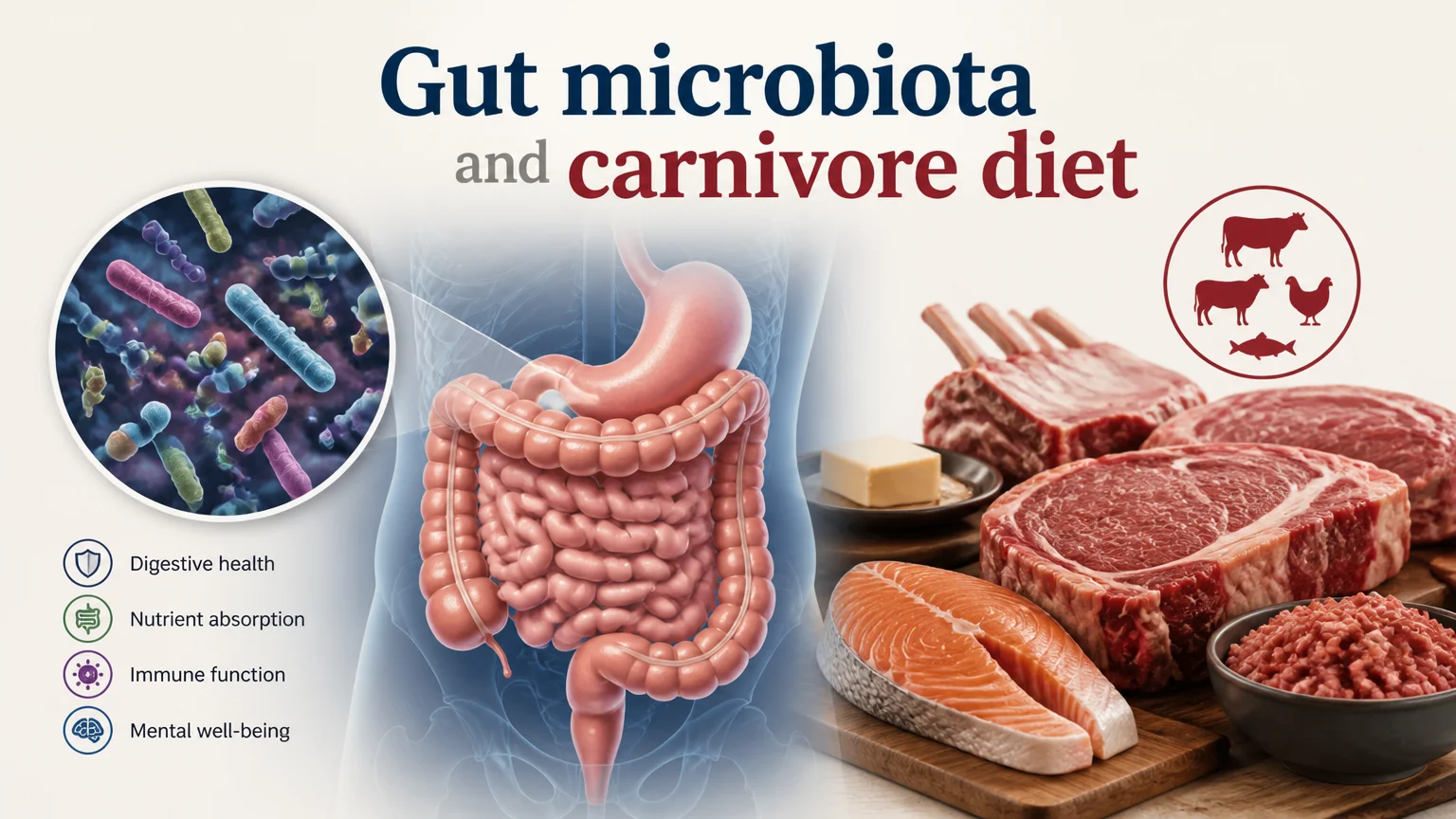
Before diving into the world of pork, let's briefly review the Carnivore Diet. Basically, it is a diet based almost exclusively on animal products. What does this mean? Mainly meat, fish, eggs, and some dairy products (depending on your tolerance). The goal is to eliminate carbohydrates and focus on animal-based proteins and fats. Proponents of this diet claim it can improve health, reduce inflammation, and promote weight loss. But where does pork fit into this whole picture?
Pork is much more than bacon and chops. It is a rich and diverse source of nutrients that can be incredibly beneficial on a carnivorous diet. Let's break it down!
Pork is known for its fat content, and although fat can be a controversial topic, it is essential in the carnivorous diet. Pork fat provides energy, aids in the absorption of fat-soluble vitamins, and is crucial for hormone production. However, not all fats are the same. Pork contains both saturated and unsaturated fats. The key is to choose high-quality cuts of pork and vary your consumption to achieve a healthy balance.
Proteins are the building blocks of our body, and pork is an excellent source. A serving of pork can provide a significant amount of essential amino acids that your body needs to build and repair tissues. In a carnivorous diet, where carbohydrates are limited, pork protein becomes a crucial component.
Beyond fats and proteins, pork is also packed with essential vitamins and minerals. It contains B vitamins, such as B12, which is fundamental for nerve function and red blood cell production. It is also a good source of minerals like zinc, iron, and phosphorus, which play a vital role in immune health, energy, and bone health.
Now that we know the nutritional profile of pork, let's explore the potential benefits of incorporating it into your carnivorous diet.
Thanks to its high protein and fat content, pork can help you feel full longer. Have you ever noticed how you feel after eating a hearty meat meal? That feeling of satiety can be a powerful tool for controlling appetite and preventing cravings, especially on a restrictive diet like the carnivore diet.
The proteins and minerals present in pork, such as phosphorus, are essential for maintaining strong bones and healthy muscles. On a carnivorous diet, where dairy may be limited, pork can be a valuable source of these nutrients.
B vitamins, especially B12, are crucial for energy production and cognitive function. If you feel sluggish or have trouble concentrating, adding pork to your carnivorous diet could be a natural solution.
Not everything is rosy. Before rushing to eat pork without control, it is important to take some precautions into account.
As with any food, quality matters. Opt for pork from naturally raised and grass-fed animals. These animals tend to produce meat with a healthier nutritional profile and fewer toxins. Look for labels like "free-range" or "grass-fed" when purchasing pork.
Trichinosis is a disease caused by a parasite that can be found in raw or undercooked pork. However, thanks to modern farming and processing practices, trichinosis is much less common than it used to be. To minimize the risk, be sure to cook pork to a safe internal temperature (around 70°C or 160°F).
Some people may be sensitive to histamine, a compound found in fermented foods and some types of meat, including pork. If you experience symptoms such as itching, redness, or digestive issues after eating pork, you may be histamine sensitive. In this case, choose fresh cuts of pork and avoid processed or cured products.
Now that you know the benefits and precautions, it's time to get creative in the kitchen! Here are some ideas for incorporating pork into your carnivorous diet:
Here are some simple and delicious recipes to inspire you!
In summary, pork can be a valuable ally in your carnivorous diet, as long as you consume it with knowledge and moderation. Its nutritional profile, rich in fats, proteins, vitamins, and minerals, can offer a number of health benefits, from appetite control to improved bone and muscle health. However, it is crucial to choose high-quality pork, cook it to a safe temperature, and be aware of possible individual sensitivities. So go ahead, enjoy a good piece of pork, and keep exploring the benefits of the carnivore diet!
Search
Popular searches