For Onlinecourses55
|
2026-10-08
For Onlinecourses55
|
2026-10-08
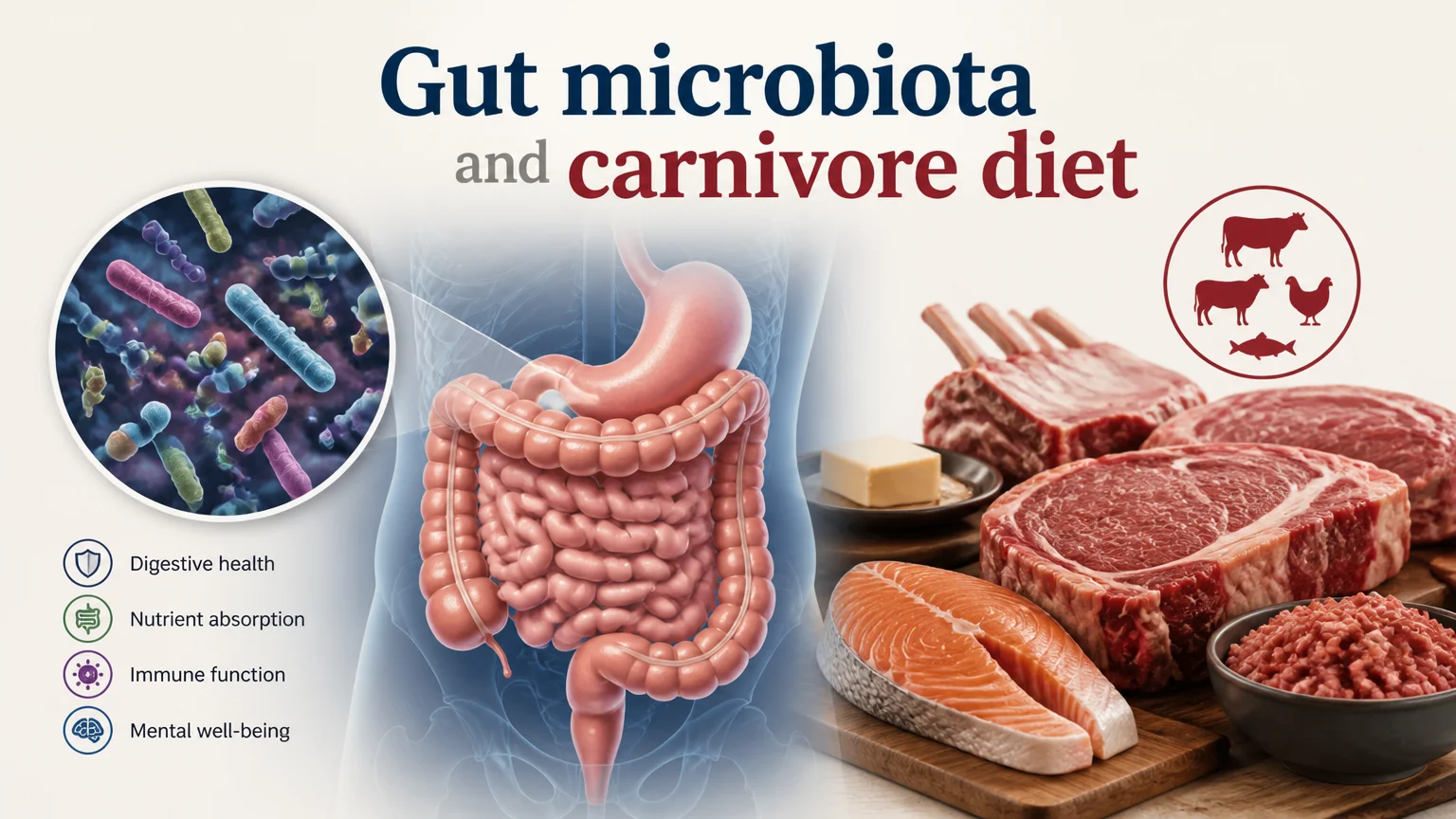
Gut microbiota and carnivore diet - nutrition carnivore
Curious how your gut microbiota interacts with meat-based eating? Gain a deeper understanding by participating in our well-rounded course on the carnivore diet that uncovers the science.
Have you ever wondered what happens inside you when you follow a carnivorous diet? I'm not just referring to digestion, but to the microscopic world residing in your intestines: the gut microbiota. This community of bacteria, viruses, fungi, and other microorganisms plays a crucial role in our health, and what we eat has a direct impact on its composition. In this article, we will explore the relationship between the carnivorous diet and the gut microbiota, analyzing whether they are allies or adversaries. Get ready for a fascinating journey inside your body!
Imagine your intestine is a complex ecosystem, inhabited by billions of microorganisms. That is the gut microbiota, also known as gut flora. This diverse and dynamic community is essential for our health and well-being. Think of it as an internal garden, where different species interact with each other and with us.
In general, a diverse gut microbiota is considered a sign of good health. The more different species of bacteria there are in your gut, the better equipped your body will be to perform its functions correctly. Bacterial diversity can be affected by factors such as diet, lifestyle, antibiotic use, and stress.
The gut microbiota not only lives inside us but also works tirelessly to keep us healthy. Some of its key functions include:
Now, let's change the topic and talk about the carnivore diet. This diet, as its name suggests, is based on the exclusive consumption of animal products. This means meat, fish, eggs, and some dairy products. The idea behind the carnivore diet is that our human ancestors were primarily carnivores and that this way of eating is the most natural and healthy for us.
To be clear, here is a list of allowed and forbidden foods in the carnivore diet:
Proponents of the carnivore diet claim that it can offer several benefits, such as:
However, it is important to note that scientific research on the carnivore diet is limited and that these benefits are largely anecdotal.
This is where things get interesting. How does the carnivore diet affect our gut microbiota? The answer, as is often the case in biology, is complex and multifactorial.
One of the main consequences of the carnivore diet is a reduction in bacterial diversity. By eliminating fiber and other complex carbohydrates from the diet, many beneficial bacteria that feed on these compounds are deprived of food. This can lead to a decrease in the number of different bacterial species inhabiting the gut.
On the other hand, the carnivore diet can favor the growth of bacteria that are better adapted to metabolize proteins and fats. These bacteria can produce compounds like hydrogen sulfide, which in high concentrations can be harmful to gut health.
The alteration of the gut microbiota can affect the digestion and absorption of nutrients. For example, the lack of bacteria that break down fiber can lead to constipation and other digestive problems.
The impact of the carnivore diet on inflammation is controversial. While some claim it reduces inflammation by eliminating inflammatory foods, others argue that it can increase it due to the production of inflammatory compounds by certain bacteria.
It is crucial to understand that the gut microbiota is a dynamic and adaptable ecosystem. It constantly changes in response to our diet, lifestyle, and other factors. If you decide to follow a carnivore diet, your gut microbiota will gradually adapt to this new way of eating. However, this adaptation is not always beneficial and can have negative long-term health consequences.
If you are considering trying the carnivore diet, it is essential to keep some important considerations in mind:
Before making drastic changes to your diet, it is crucial to consult with a doctor, nutritionist, or dietitian. They can assess your general health status and help you determine if the carnivore diet is suitable for you. Additionally, they can monitor your progress and help you prevent possible complications.
It is important that you pay attention to how you feel while following the carnivore diet. If you experience symptoms such as constipation, diarrhea, fatigue, or nutritional deficiencies, you may need to adjust your diet or consider other options. Not everyone responds in the same way to the carnivore diet, and it is important to find what works best for you.
In summary, the relationship between the gut microbiota and the carnivore diet is complex and requires a deep understanding of both concepts. While the carnivore diet may offer some potential benefits, it can also have negative consequences for gut health by reducing bacterial diversity and altering the microbiota composition. Maintaining a healthy balance in the gut microbiota is crucial for overall well-being. Before embarking on a carnivore diet, it is essential to consult with a health professional and carefully monitor your progress and symptoms. Remember, every body is different, and what works for one person may not work for another. The key is to find a balance that promotes your long-term health and well-being.
No: the carnivore diet is not healthy for everyone. Some people may experience benefits, while others may experience negative effects. It is crucial to consult with a health professional before starting this diet.
It is possible to get most of the necessary nutrients from a well-planned carnivore diet, but it can be difficult to get enough fiber, vitamin C, and other nutrients present in plant-based foods. Supplementation: may be necessary.
The time it takes for the gut microbiota to adapt to the carnivore diet varies from person to person. It can take anywhere from a few days to several weeks or months.
If you follow a carnivore diet, you can improve your gut health by consuming bone broth: bone marrow, and fermented animal products (such as milk kefir).
The long-term sustainability of the carnivore diet is a subject of debate. Some argue that it is sustainable if animals are raised sustainably, while others point out that the environmental impact of meat production is significant.
Search
Popular searches