For Onlinecourses55
|
2026-06-10
For Onlinecourses55
|
2026-06-10

Foods allowed for celiacs - nutrition celiac
Ready to demystify celiac disease and its dietary management? Our comprehensive nutrition course focused on gluten-free living will provide the knowledge you need for a wholesome lifestyle.
Hello everyone! If you are reading this, you or someone you know is likely dealing with celiac disease. Don't worry! You are in the right place. This complete guide will show you that living gluten-free can be delicious, nutritious, and full of options. Let's demystify the celiac diet and discover a world of possibilities together.
Celiac disease is an autoimmune reaction to gluten, a protein found in wheat, barley, rye, and sometimes oats. When a person with celiac disease consumes gluten, their immune system attacks the lining of the small intestine, hindering the absorption of nutrients. This can lead to a variety of symptoms, from digestive problems to fatigue, anemia, and skin issues.
The good news is that celiac disease can be effectively managed by following a strict gluten-free diet. It's that simple! By eliminating gluten from your diet, you allow your small intestine to recover and function properly. But what can you eat? This is where this guide comes in!
The foundation of a successful gluten-free diet is foods that are naturally free of this protein. These include fruits, vegetables, meat, fish, eggs, legumes, rice, corn, and many others. Nature offers us a wide variety of delicious and nutritious options!
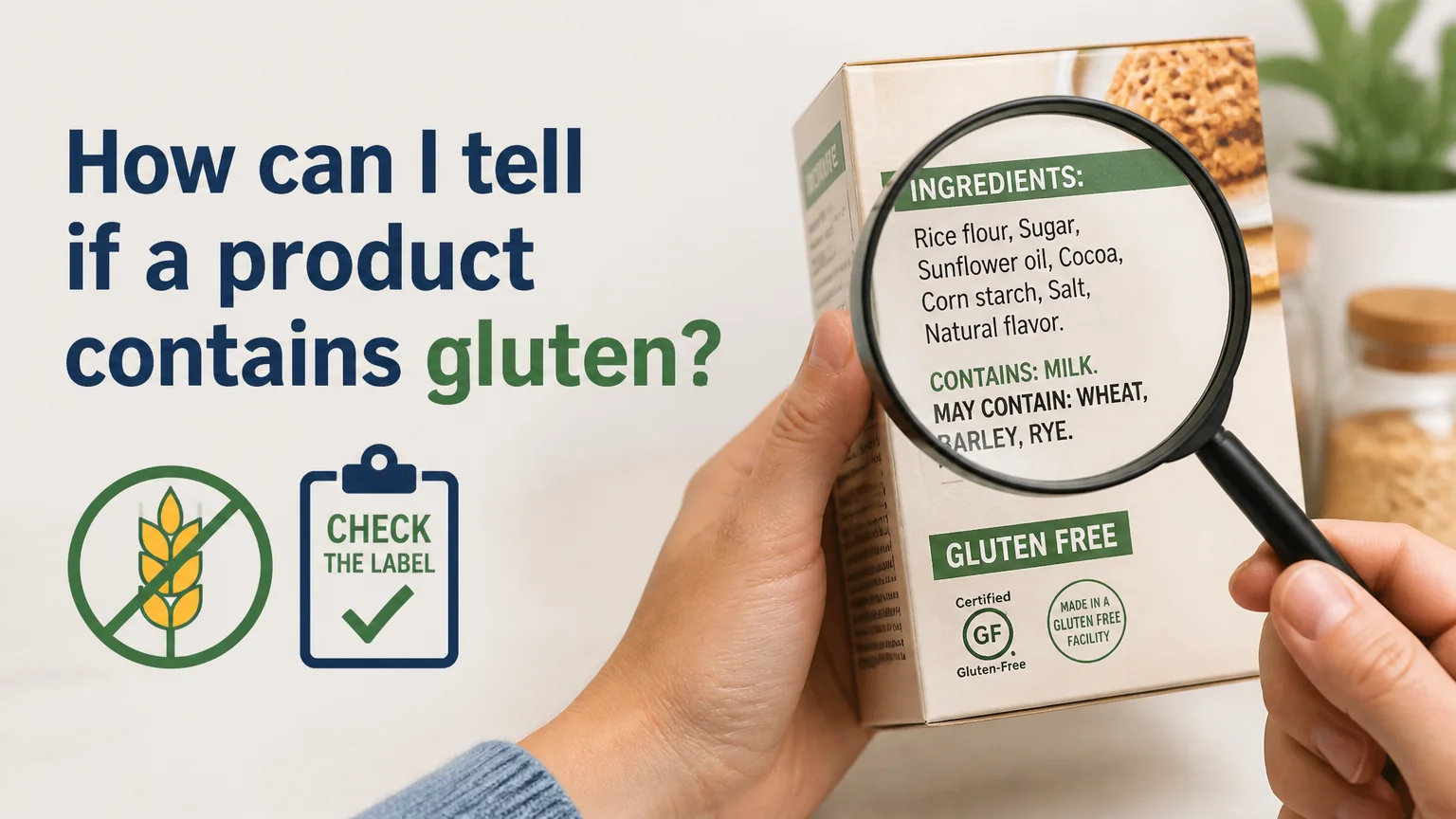
Gluten can hide in unexpected places. Sauces, dressings, canned soups, processed meats, and even some medications may contain gluten. Therefore, it is crucial to always read labels and be vigilant about ingredients.
Here is the list you were waiting for! Remember that it is always best to confirm the absence of gluten on labels, as cross-contamination is a possibility.
Rice is a safe and versatile staple food. You can enjoy white rice, brown rice, basmati, jasmine, wild... the options are endless! Rice flour is also an excellent alternative for baking.
Corn is another safe and delicious grain. You can eat popcorn (without gluten additives), corn tortillas, polenta, and corn flour.
These pseudocereals are rich in nutrients and completely gluten-free. They are excellent for salads, soups, and as substitutes for rice or pasta.
All fresh fruits and vegetables are safe for celiacs! Enjoy apples, bananas, berries, broccoli, carrots, spinach... whatever you crave!
Fresh meat, fish, and eggs are naturally gluten-free. Legumes, such as beans, lentils, and chickpeas, are also an excellent source of gluten-free protein. Make sure they are not breaded or marinated with ingredients containing gluten!
Most natural dairy products, such as milk, cheese, and yogurt, are safe. However, some processed dairy products may contain gluten. Always read the labels! Plant-based alternatives like almond milk, coconut milk, and soy yogurt are also excellent options.
I repeat! Reading labels is the key to avoiding hidden gluten. Look for the "gluten-free" label or check the ingredient list to detect wheat, barley, rye, malt, or any other gluten derivative.
Cross-contamination occurs when gluten-free foods come into contact with foods containing gluten. To avoid it, use separate kitchen utensils, different cutting boards, and keep gluten-free foods stored in airtight containers.
Cooking at home gives you total control over the ingredients you use. This way, you can be sure that your food is gluten-free. Plus, it's a great way to experiment with new recipes and flavors!
Some medications and supplements may contain gluten as an excipient. Consult your doctor or pharmacist to ensure they are safe for you.
Incredible but true! Some personal hygiene and beauty products, such as shampoos, lotions, and lipsticks, may contain gluten. If you are sensitive, look for products labeled "gluten-free."
Gluten-free food doesn't have to be boring! Here are some ideas to inspire you:
Celiac disease does not have to be a limitation. With the right information and a little planning, you can enjoy a full and healthy life. Remember to always read labels, avoid cross-contamination, and experiment with new gluten-free recipes. Discover a world of flavors and enjoy food without worry! Go for it! You can do it!
The only way to know for sure if you have celiac disease is through medical tests, which include blood tests and a small intestine biopsy. If you suspect you may be celiac, consult your doctor.
If you accidentally consume gluten, you may experience symptoms such as abdominal pain, diarrhea, nausea, or fatigue. Rest, hydrate, and avoid consuming more gluten. If symptoms persist, consult your doctor.
Most large supermarkets have a section dedicated to gluten-free products. You can also find products in health food stores and online. Look for recognized brands certified as "gluten-free."
In some cases, people with celiac disease may need vitamin and mineral supplements, especially if they have nutritional deficiencies. Consult with your doctor or nutritionist to determine if you need to take supplements.
Oats themselves do not contain gluten, but they are often contaminated with gluten during processing. Look for oats certified as "gluten-free" to ensure they are safe to consume.
I hope this guide is very helpful to you! Enjoy your meal!
Search
Popular searches