For Onlinecourses55
|
2026-03-04
For Onlinecourses55
|
2026-03-04
Gluten-free product certification - nutrition celiac
Want to understand gluten-free certifications for food products better? Enroll in our detailed course on gluten-free product labeling to make informed choices.
Hello everyone! Have you ever wondered what that "gluten-free" label on your food really means? Or why some brands have a special seal and others don't? If you suffer from celiac disease, non-celiac gluten sensitivity, or are simply interested in reducing your gluten intake, this guide is for you. We are going to break down everything you need to know about gluten-free certification for products—from what it is to how to choose the best ones!
"Gluten-free" is not just a buzzword; for many people, it is a medical necessity. Gluten is a protein found in wheat, barley, rye, and, in some cases, oats (if contaminated). For people with celiac disease, consuming gluten can trigger an autoimmune reaction that damages the small intestine. For others, it can cause symptoms like bloating, fatigue, and headaches.
So, what does "gluten-free" mean in a product? According to international (and most national) regulations, a product can be labeled "gluten-free" if it contains less than 20 parts per million (ppm) of gluten. This is a very small amount, but safe enough for most people with celiac disease.
This is where certification comes into play. Although regulations define what "gluten-free" means, not all companies are required to subject their products to rigorous testing. Gluten-free certification is a voluntary process that guarantees a product has been tested and meets the standards established by an independent body.
Think of it this way: it's like having a background check for your food. Certification gives you the peace of mind knowing that the product has undergone additional scrutiny and is truly "gluten-free."
Practically everyone! Of course, people with celiac disease benefit the most, as they can trust that certified products are safe for consumption. But the following also benefit:
How is a product certified as "gluten-free"? The process may vary slightly depending on the certification body, but generally involves the following steps:
The company wishing to certify its products must submit an application to the certifying body. They must also provide detailed documentation regarding their ingredients, production processes, and quality controls.
Imagine you are applying for a bank loan; you need to present all your financial documents to prove you are a good candidate. It's the same here.
An independent auditor visits the production plant to inspect the facilities and processes. They look for possible sources of gluten contamination, such as shared equipment, inadequate ingredient storage, or lack of cleaning procedures.
Think of it as a health inspection at a restaurant; the auditor ensures everything is clean and safe.
Samples of the products are taken and sent to an independent laboratory for analysis. The laboratory measures the amount of gluten present in the samples using precise scientific methods.
It’s like a DNA test for your food; it confirms if they are truly "gluten-free."
The certifying body reviews all documents, audit results, and laboratory test results. If everything is in order, they approve the certification and grant the company the right to use their certification seal on their products.
It’s like getting an expert's seal of approval; it tells you the product has passed all tests.
Certification is not a one-time event; it requires ongoing maintenance. Companies must undergo regular audits and tests to ensure they continue to meet the standards.
It’s like maintaining your car; you need to get periodic check-ups to make sure it is still running correctly.
There are several gluten-free certification bodies worldwide. Some of the most recognized are:
GFCO is one of the oldest and most respected certification bodies. Their seal is widely recognized and reliable. They have very strict standards and require regular testing.
NFCA also offers a gluten-free certification program. Their seal is less common than GFCO's but is also an indicator of quality.
Besides GFCO and NFCA, there are other reputable certification bodies in different countries. Examples include local organizations in Europe and Australia.
Now that you know everything about certification, how can you choose the best gluten-free products? Here are some practical tips:
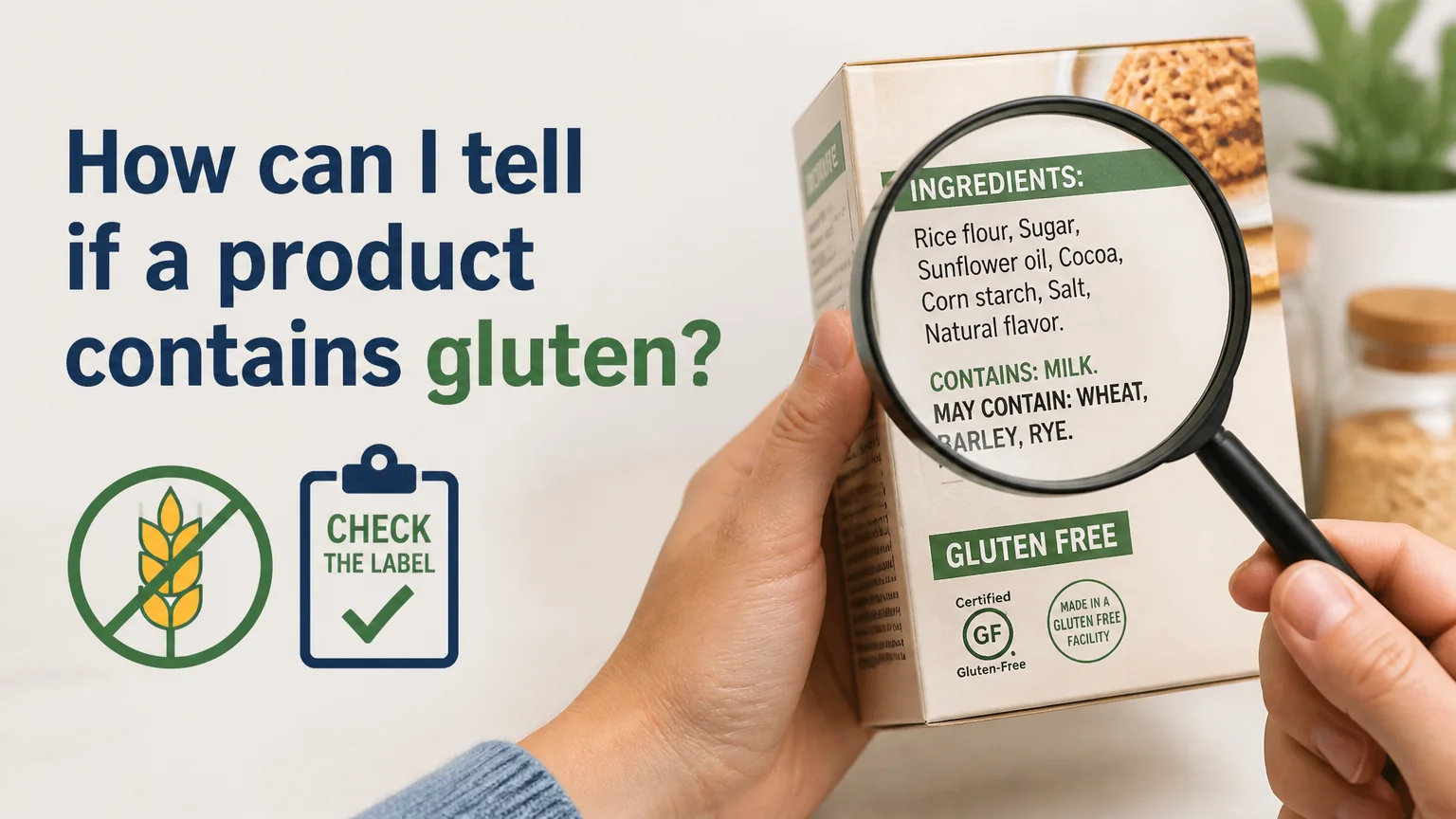
Always read product labels, even if they are labeled "gluten-free." Look for ingredients that may contain gluten, such as wheat, barley, rye, or malt.
Look for the certification seal from a recognized body. The seal indicates that the product has undergone rigorous testing and meets the standards.
Familiarize yourself with common ingredients that contain gluten. Besides wheat, barley, and rye, some hidden ingredients may contain gluten, such as modified starch, malt extract, and soy sauce (unless specifically labeled "gluten-free").
Gluten-free certification has had a significant impact on the food industry.
Certification has increased consumer confidence in gluten-free products. Consumers know that certified products have undergone rigorous testing and are safe for consumption.
Certification has contributed to the expansion of the gluten-free product market. As more people seek gluten-free options, companies are incentivized to certify their products to attract these consumers.
The demand for gluten-free products has driven innovation and the development of new products. Companies are creating gluten-free alternatives for traditional foods like bread, pasta, crackers, and pastries.
There are many myths and misconceptions about gluten-free products. Let's clarify some of them:
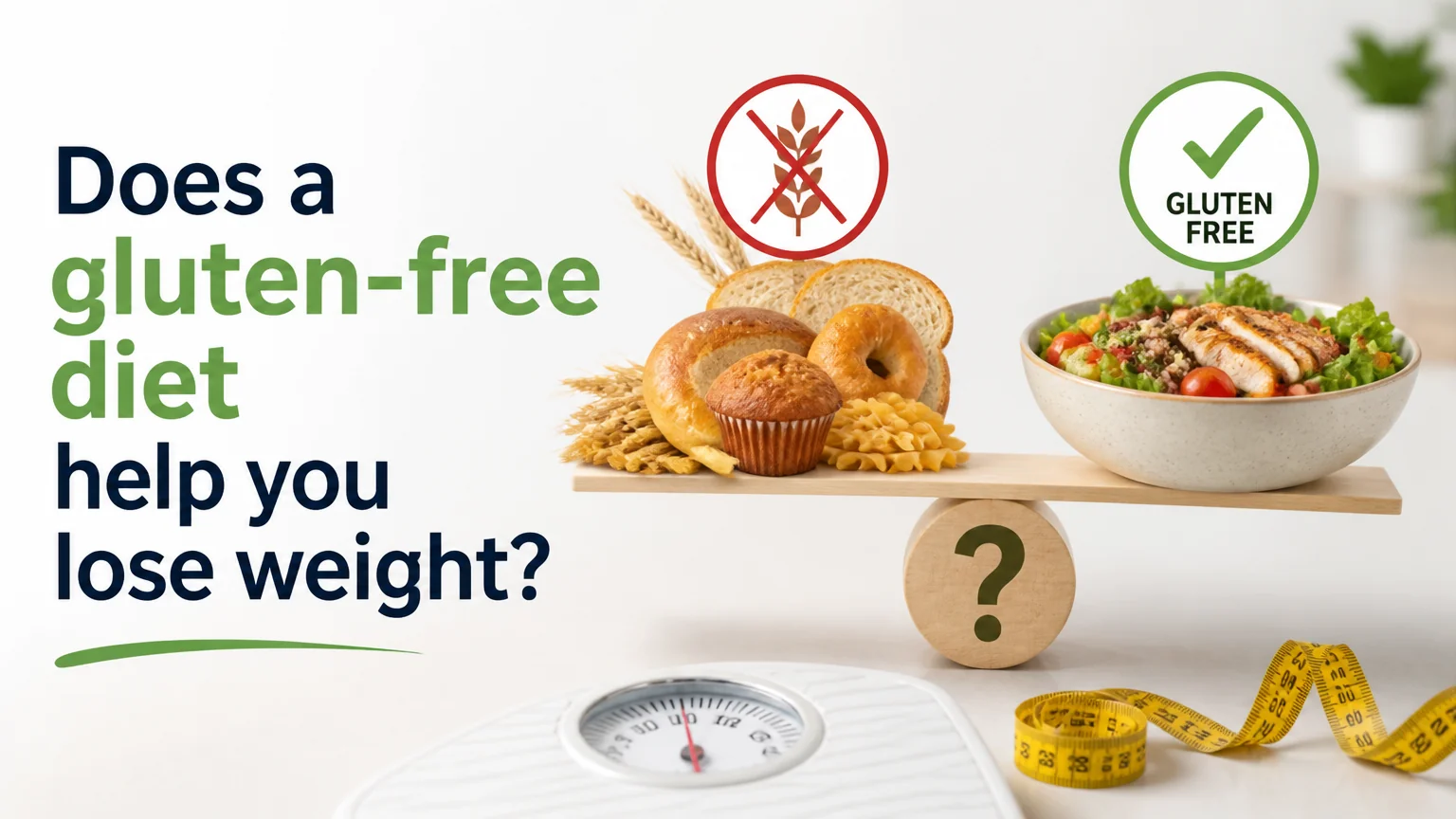
Reality: Not all gluten-free products are automatically healthy. Some gluten-free products can be high in sugar, fat, and calories. Always read the labels and choose nutritious options.
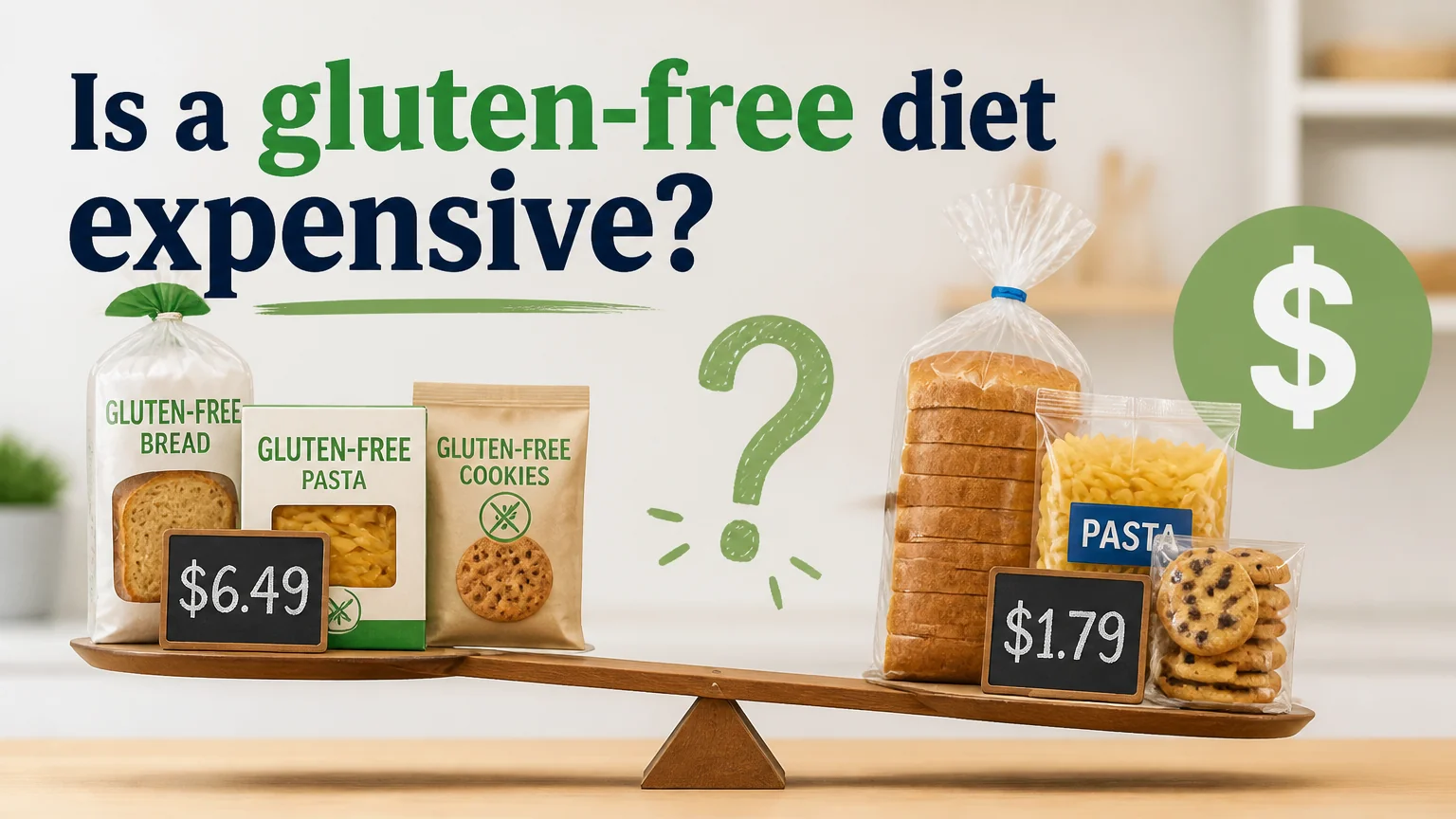
Reality: Some gluten-free products may be more expensive than their gluten counterparts, but that is not always the case. As the gluten-free market grows, prices are becoming more competitive.
Reality: "Gluten-free" only means the product does not contain gluten. It does not mean it is free of other allergens, such as milk, eggs, nuts, or soy. Always read labels carefully if you have food allergies.
Living gluten-free can be a challenge at first, but there are many resources available to help you.
There are many websites that offer information about celiac disease, non-celiac gluten sensitivity, and the gluten-free diet. Examples include the websites of GFCO, NFCA, and local celiac organizations.
Joining a support group can be a great way to connect with others living gluten-free. You can share experiences, get advice, and find emotional support.
There are countless gluten-free recipes and cookbooks available. Experiment with new recipes and discover your favorite gluten-free dishes.
Gluten-free certification is a valuable tool for ensuring the safety and quality of gluten-free products. By choosing certified products, you can have the peace of mind knowing that you are making an informed and healthy decision. I hope this guide has been useful to you! Enjoy your gluten-free options!
A product can be labeled "gluten-free" if it contains less than 20 parts per million (ppm) of gluten.
You can, but with caution. Certification provides an additional guarantee that the product has undergone rigorous testing. If a product is not certified, research the brand and read the labels carefully.
No: gluten-free certification is voluntary in most countries. However, many companies choose to certify their products to attract consumers seeking gluten-free options.
The cost of gluten-free certification varies depending on the certifying body, the size of the company, and the number of products being certified. It can range from a few hundred to several thousand dollars.
You can find lists of certified gluten-free products on the websites of certifying bodies, such as GFCO and NFCA. You can also search online or ask at health food stores.
Search
Popular searches